
Pforzheimer Zeitung, Report by Robin Daniel Frommer aus Pforzheim, February 20, 2026. »Each round of questions revealed both similarities and differences. Values such as love and community, Heimat in relation to Pforzheim, volunteering and language, finding a home among people, but also (…) lost trust in the welfare state and democracy were examined from sometimes very different perspectives. After the panel discussion came contributions from the audience: Sigrid Baumgärtner objected to Cotar’s slogan: ›Dismantle the welfare state. I cannot associate that with Heimat.‹ A young woman with a migrant background added: ›Everyone needs a good state.‹ (…) Gerhard Baral urged: ›If we really want integration, we must do everything we can to ensure that language courses and employment opportunities are offered immediately.‹« LINK [€] and PDF
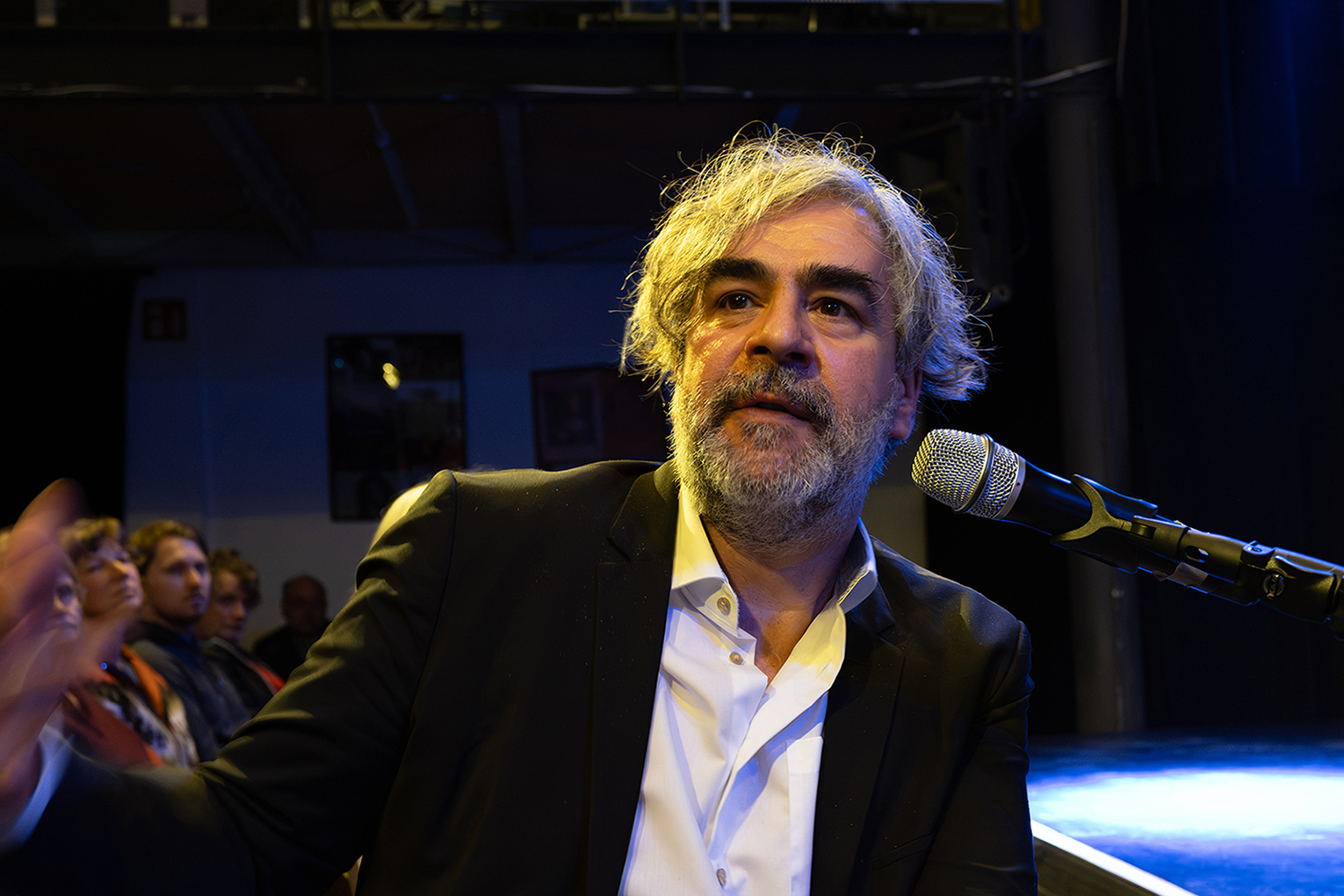
Singener Wochenblatt, Report by Sebastian Ridder from Konstanz, February 19, 2026. »Some visitors also criticized the treatment of the AfD, pointing to refusals to engage in dialogue and media coverage of the party; after all, there was a palpable sense of general dissatisfaction in the country (…) Konstanz’s deputy mayor for social affairs, Andreas Osner, on the other hand, said that in his view the AfD was still being treated too well. Deniz Yücel then had to intervene in this discussion (…). He stressed that the event was not directed against anyone or held on behalf of any party or political camp, that he welcomed the exchange and would want it to take place in exactly the same way if AfD voters or politicians were present. Listening to one another and openly expressing fears about one’s own country revealed wishes and an outline of a Heimat that could bring people together through mutual listening.« LINK and PDF
Pforzheimer Zeitung, Interview by Katharina Lindt mit Deniz Yücel, February 18, 2026. »Politicians should talk less and do more to shape things. I expect politicians to create the conditions to prevent us from experiencing a fourth consecutive year of recession. If politicians did their homework better, the economy were running well, healthcare functioned and public infrastructure were reliable, that would do more to help people feel at home in their Heimat again. Politicians can reflect on Heimat once they have retired, but not before.« LINK [€]
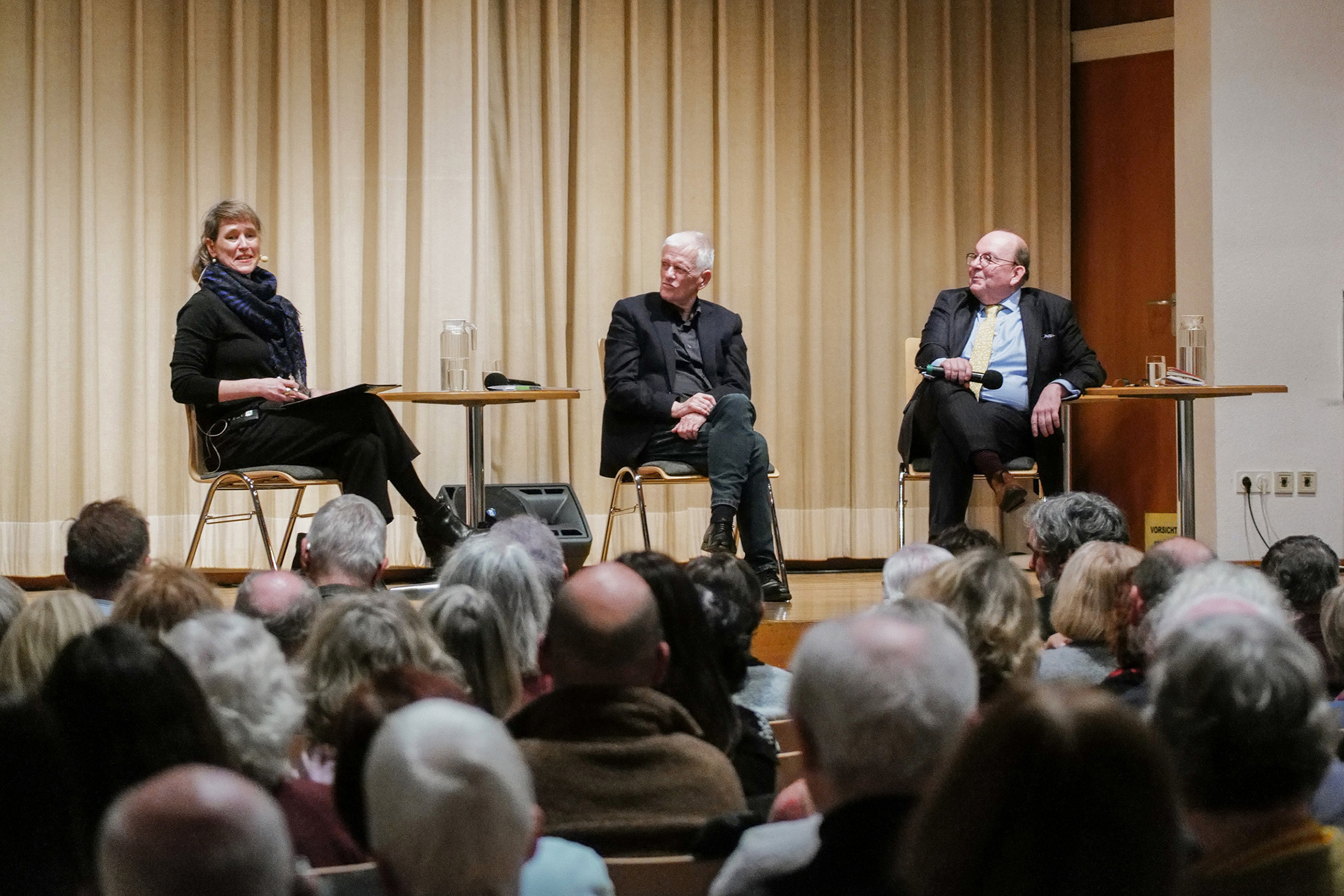
Fränkische Nachrichten, Report by Linda Hener aus Bad Mergentheim, February 18, 2026. »›What has changed in the world? Local life, once familiar, the way one remembers it, is no longer understandable – Heimat is dissolving from within,‹ Fritz Kuhn (…) observes in an exchange with the audience. (…) The evening began with a question game. Aron Boks (…) asks the audience to raise their hands in response to questions such as ›For whom is Baden-Württemberg Heimat?‹, ›Who has a second Heimat?‹ or ›Who is worried about democracy?‹ Hands go up – sometimes hesitantly, sometimes quickly and decisively. At times there is laughter in the hall, then surprise. You can feel it: the audience of more than 220 people is eager to see what the event at the Protestant community center in Bad Mergentheim will bring.« LINK [€] and PDF
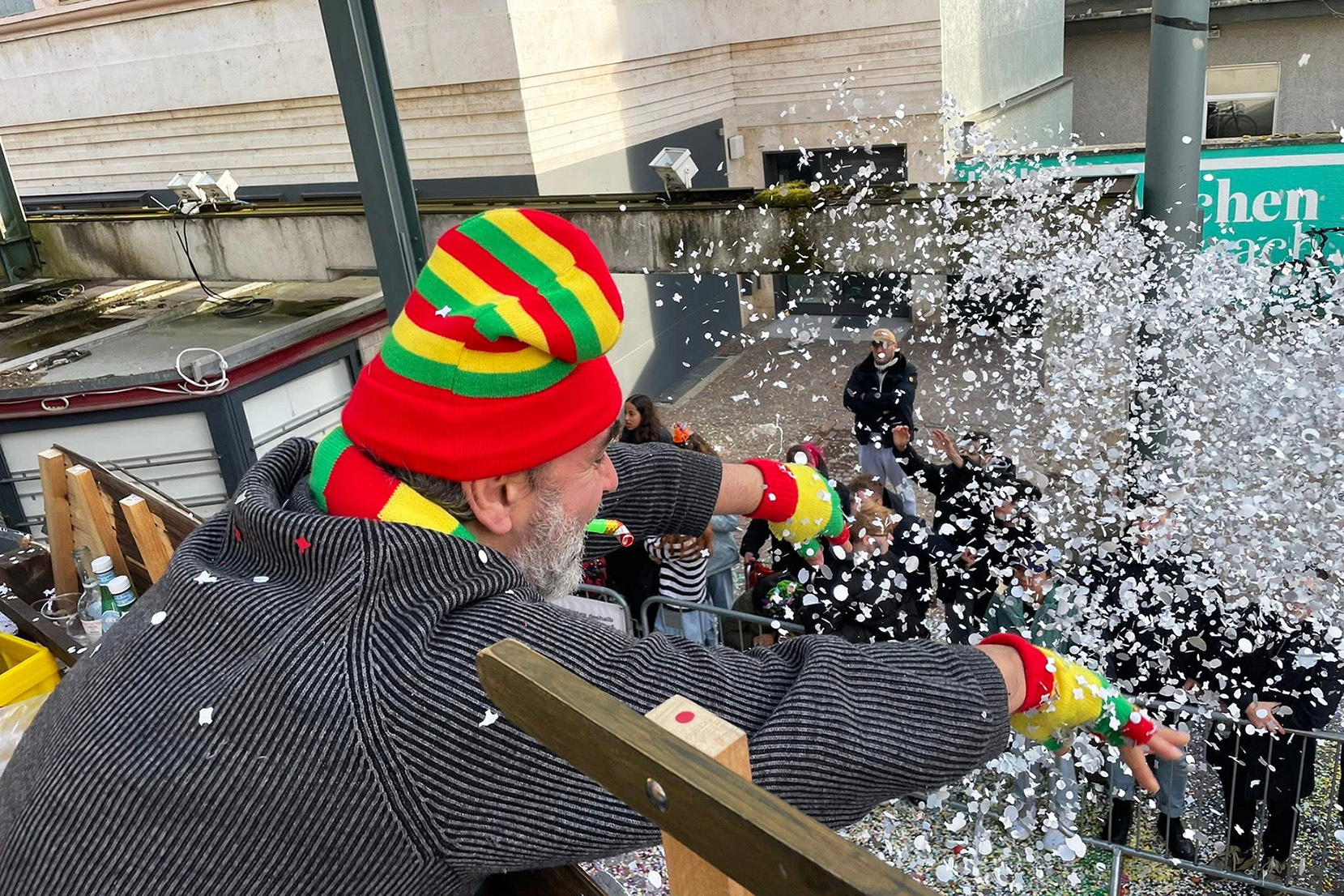
Badische Zeitung, Report by Katharina Kubon aus Lörrach, February 17, 2026. »As always, the Annerösli carnival ship had prominent guests on board during the Lörrach parade: alongside the mayor, a pastor and others, there was someone this year whom probably nobody had expected. Beneath a yellow, red and green striped bobble hat, with matching gloves and scarf, was none other than journalist and writer Deniz Yücel. (…) The visit came about through his connection with the carnival guild, which had supported PEN Berlin’s event ›Hello Lörrach, Let’s Talk about Heimat‹ earlier that month.« LINK [€] and PDF
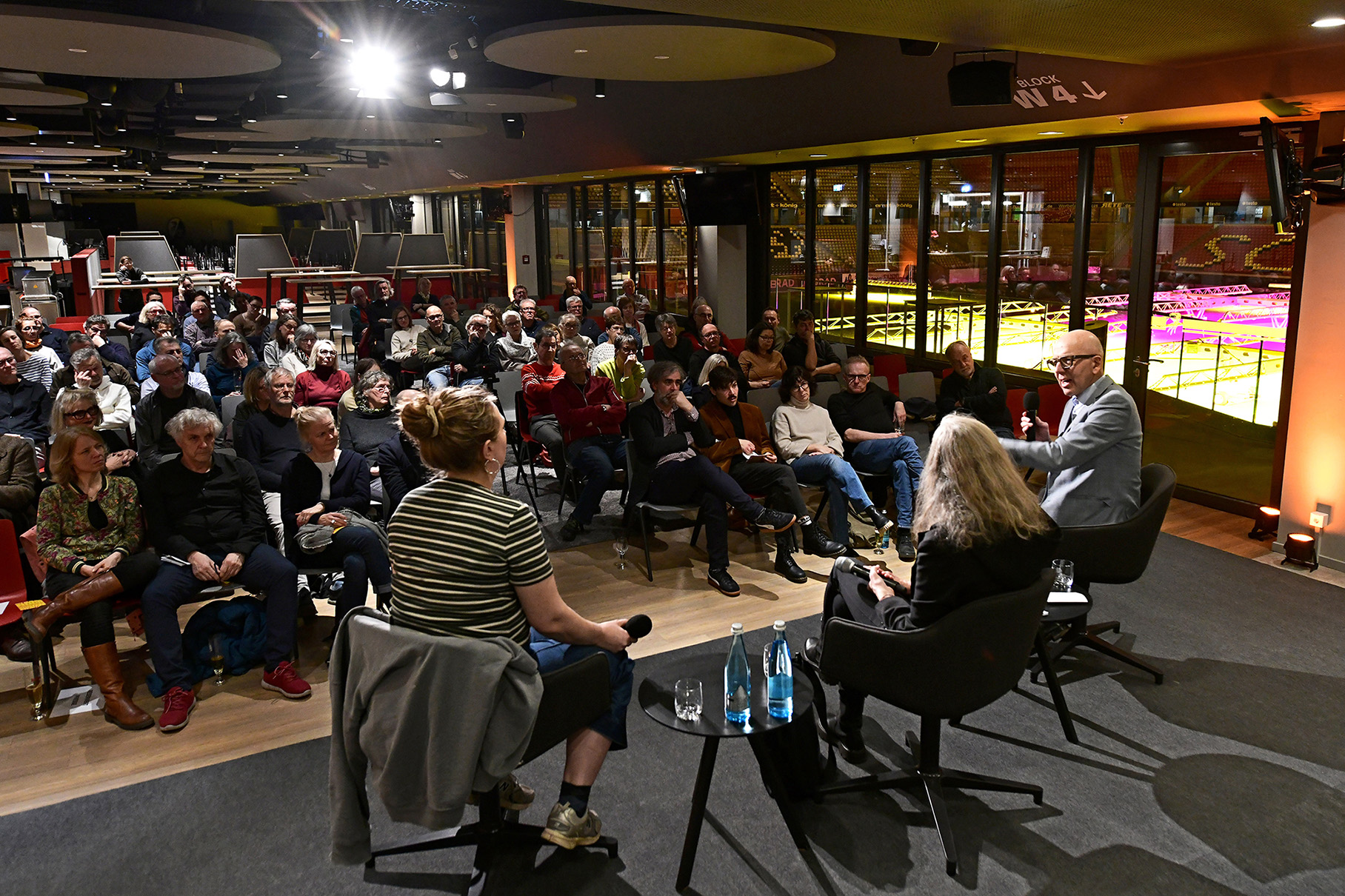
Badische Zeitung, Report by Jürgen Reuß aus Freiburg, February 15, 2026. »Only when Lühmann brought up the scent of Brandenburg’s pine forests could everyone contribute associations with Heimat. Is Heimat above all a sensory experience? The smell of potato fields or regional sausage specialties? ›Just because I love Rügenwalder Teewurst doesn’t mean I would send my son to war for it,‹ someone in the audience countered during the discussion of the country’s ability and willingness to defend itself. And what about the citizen who came to Germany as a child and, after 40 years of trying, asks: ›How much longer am I supposed to keep integrating?‹« LINK [€] and PDF
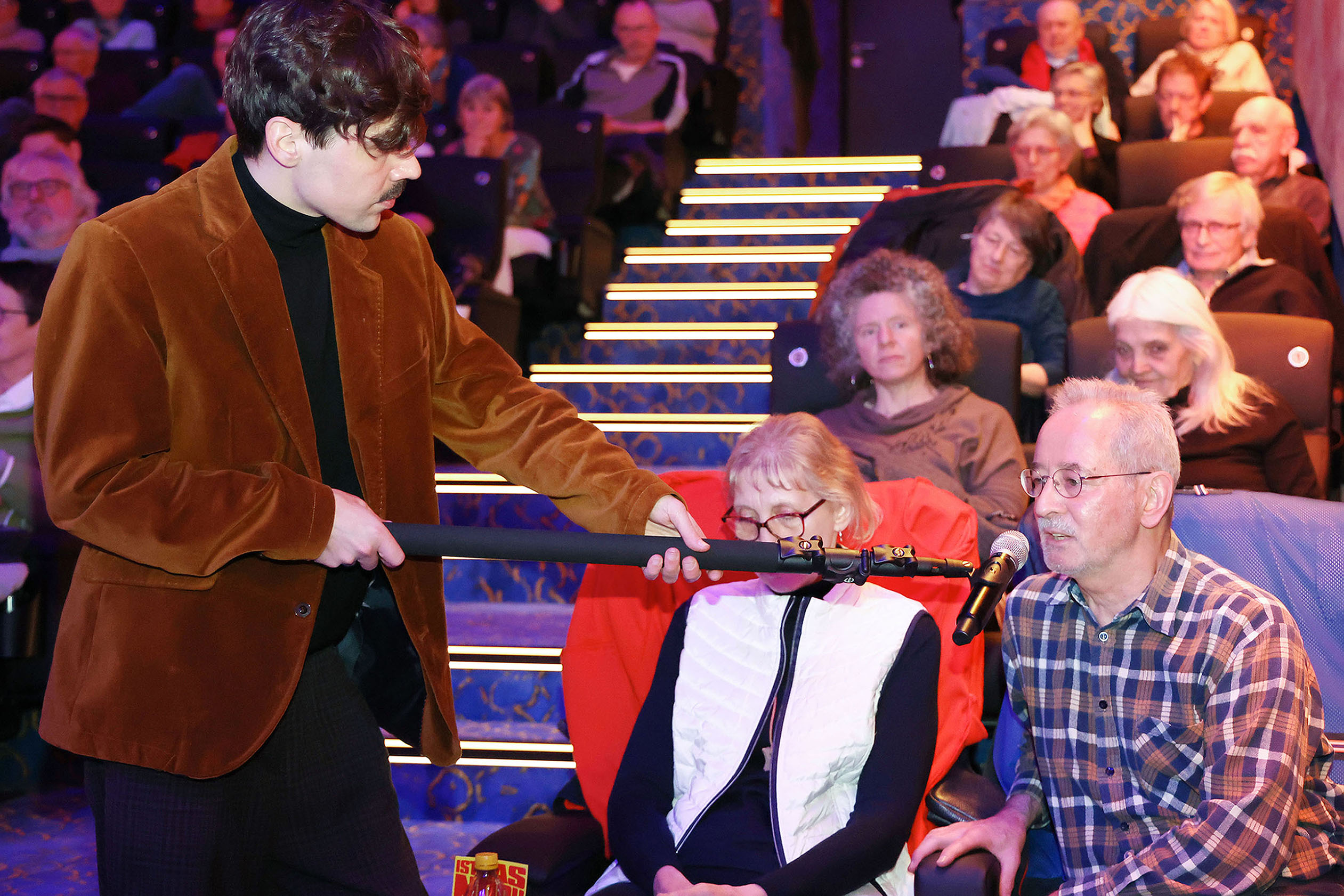
Hohenloher Tagblatt [Südwest Presse], Commentary by Birgit Trinkle aus Crailsheim, February 14, 2026. »It was fundamentally wrong to leave terms such as Heimat and rootedness to others who turned them into incendiary devices. That, too, is one lesson of the evening. And not least: Heimat is the place for which you feel a share of responsibility. Not the place that belongs to you, but the place you stand up for. You can think of that on a small scale: your street, your club, the cancer counseling center. Or on a large scale: liberal democracy.« LINK [€] and PDF
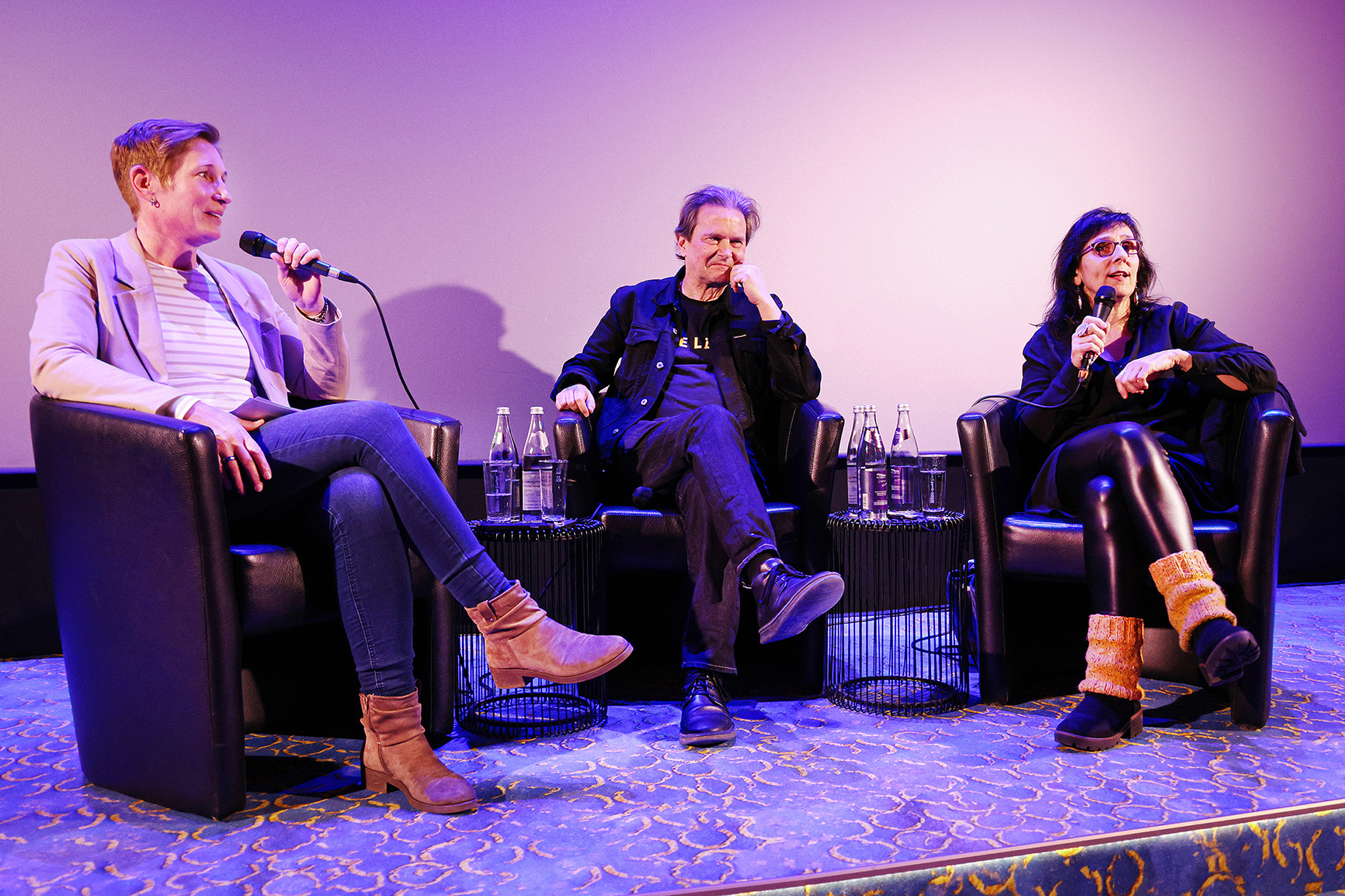
Hohenloher Tagblatt [Südwest Presse], Report by Birgit Trinkle aus Crailsheim, February 14, 2026. »[Peter Unfried] introduces the idea that shapes the evening: the ›living room of society‹. He does not mean a room full of sofas, but public or semi-public spaces where people come together without fixed roles. A café. A clubhouse. A cultural center. Democracy and a sense of Heimat, Unfried says, need places like these. A sense of security, a base from which people can argue. (…) But it also becomes clear that the state has obligations, whether regarding pensions or the railways: ›Something really needs to be set in motion there.‹ An older woman in the audience speaks up. She lived in East Germany, she says. Heimat was used there too – above all to distinguish oneself from others. (…) Perhaps that is the real living room being built here. Not a place where everyone agrees, but a place where people can disagree without losing one another. Where people talk about Heimat without excluding anyone. Where a journalist from Berlin and a writer from Hall, a woman from East Germany and a man from Hohenlohe listen to one another.« LINK [€] and PDF
Fränkische Nachrichten, Interview by Dilan Salatan mit Deniz Yücel, February 13, 2026. »Usually, the audience is brought into the discussion at the very end. We do things differently. Two people open the conversation, but then it is the audience’s turn. They don’t have to ask questions; they can express their views and discuss things with one another. Anyone can say anything. If someone says something I personally consider nonsense, I trust that someone else will disagree. And I hope that the objection will address the substance, because labels get us nowhere. We don’t put up prohibition signs. We don’t preach freedom of expression and a culture of debate; we try to put them into practice.« LINK [€] and PDF
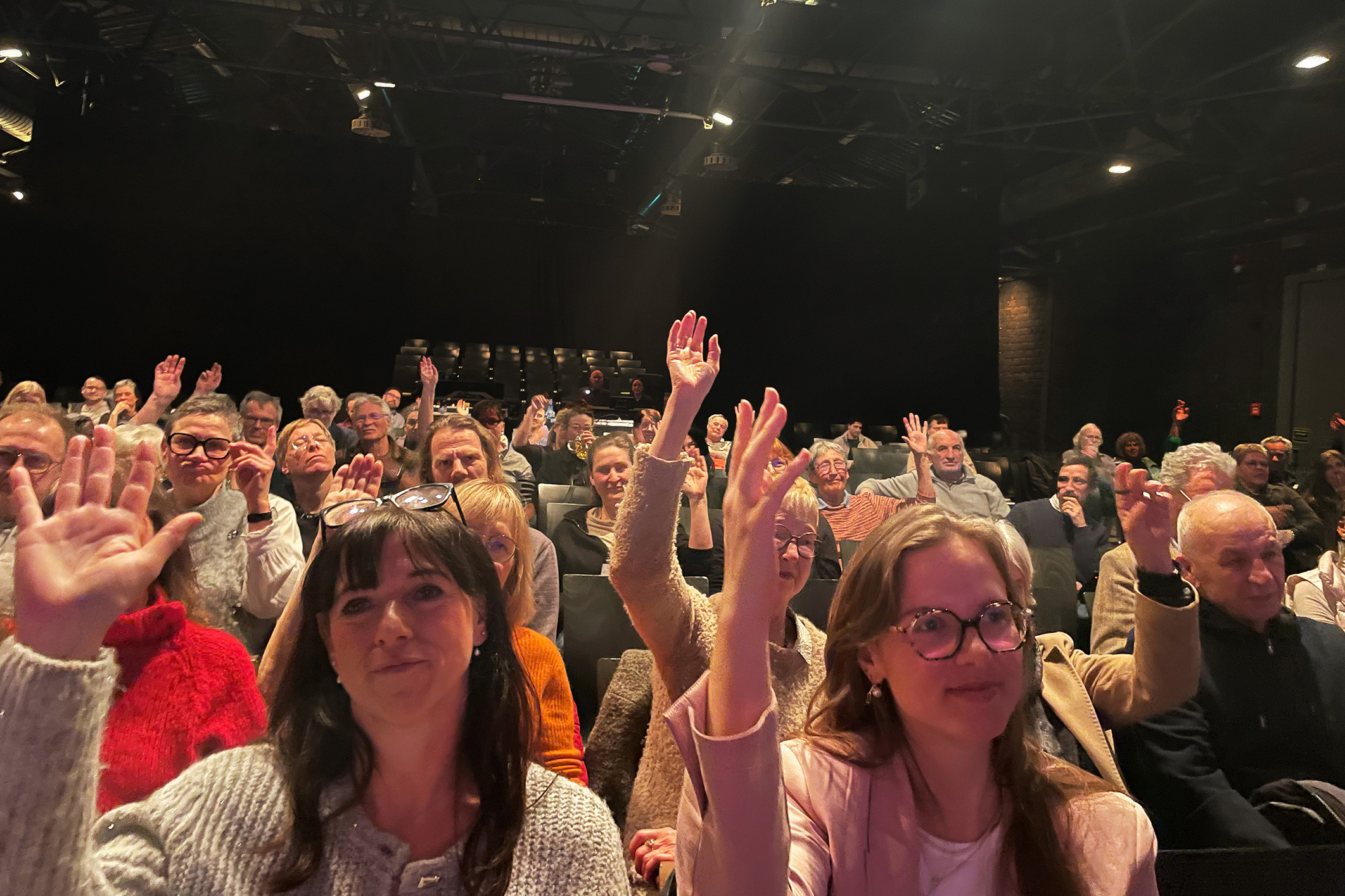
Schwäbische Zeitung, Report by Sven Koukal aus Ulm, February 13, 2026. »Kern des Abends war jener Heimat-Begriff, der entgegen der Duden-Definition sehr viel individueller scheint. Asked whether Heimat was tied to a country for him, Ayata, who comes from Ulm, explained: ›I don’t need a country; I want a good life!‹ Abdollahi added that where he located himself was ›completely irrelevant‹ to him: ›I’m simply here now.‹ (…) Opinions differed, however, on what Heimat actually meant to each person. For one it was their neighborhood, for another German pop songs, and for a third Kässpätzle. For one person Heimat meant freedom of expression; for another it meant their social circle and family. LINK and PDF
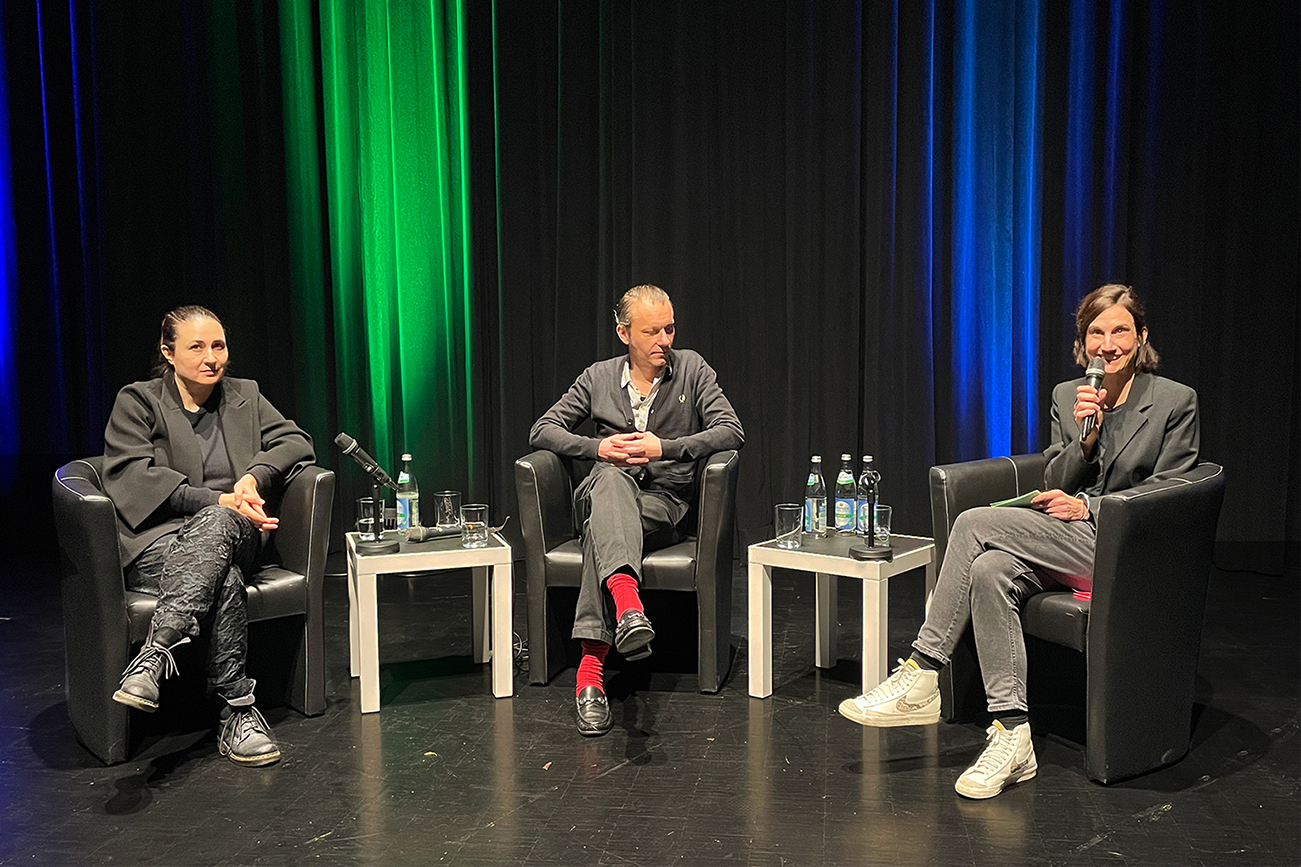
Heidenheimer Zeitung, Report by Jens Eber from Heidenheim, February 12, 2026. »Heimat does not have to mean your childhood home, a familiar landscape or the place where you were born. A feeling of Heimat can also arise at the sight of smoking chimneys and towering factory buildings that rumble incessantly. In other words, in Heidenheim even Voith can provide a piece of Heimat, as became clear at the city library on Wednesday evening. At the invitation of the writers’ association PEN Berlin, journalist Carolin Gasteiger (Süddeutsche Zeitung) discussed Heimat with Voith corporate spokesperson Katharina Agüera and writer Patrick Findeis, who grew up in Schnaitheim. Above all, however, a substantial number of the roughly one hundred audience members took an active part in the discussion.« LINK [€]
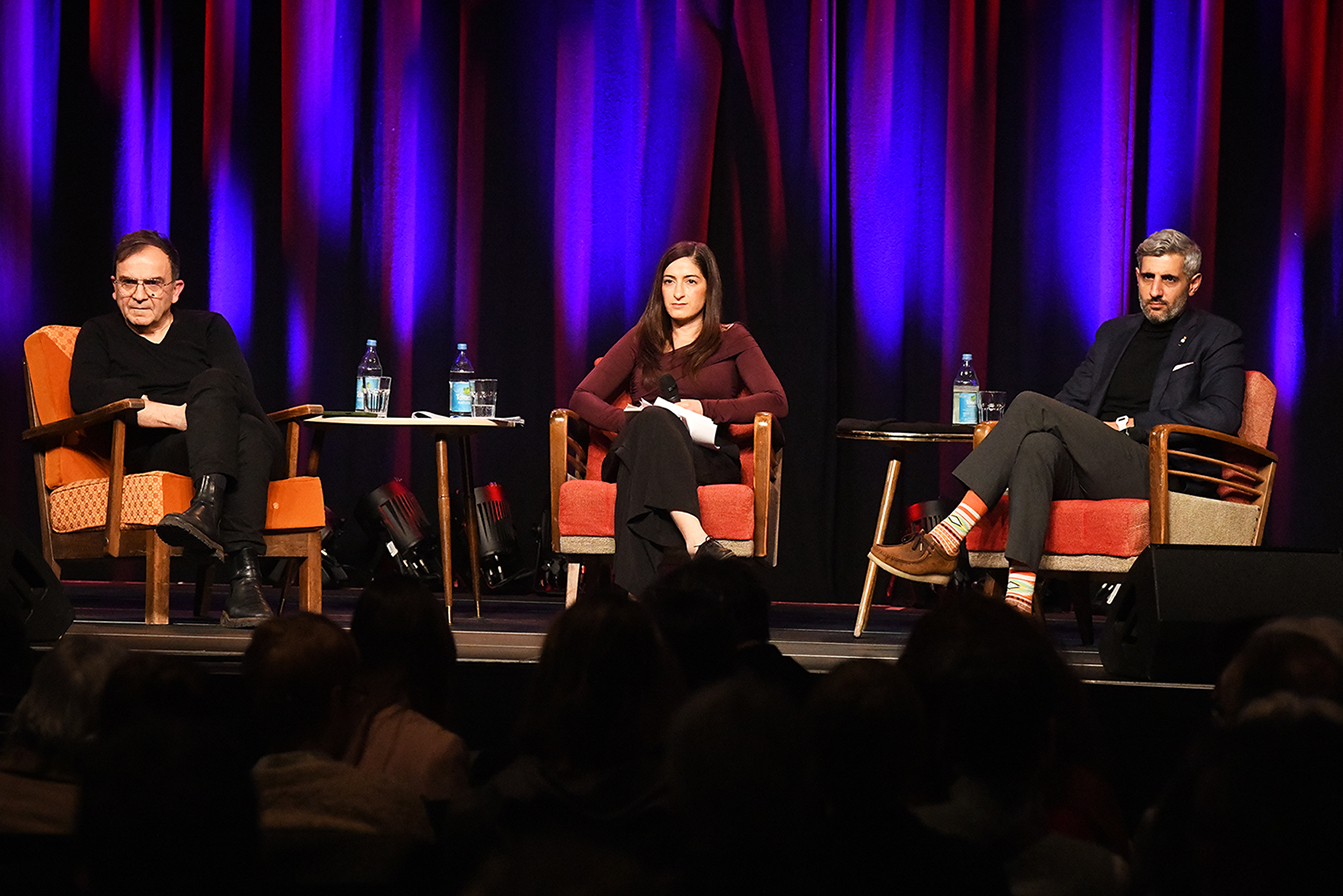
Südwest Presse, Report by Udo Eberl from Ulm, February 11, 2026. »Ayata, a writer and campaigner, stressed that he did not need a country to locate his sense of Heimat, having grown up ›not being part of something‹. He did, however, feel a sense of belonging at Liverpool’s stadium. Yet many people from Ulm with whom he had graduated from high school no longer considered him one of them: ›You’re not one of us anymore,‹ someone had said at a school reunion. ›You’ve become so cold and arrogant. Now you speak standard German.‹ Asked whether Heimat was a negatively charged term for him, Abdollahi replied that its instrumentalization and politicization must not be left to the right. (…) Many visitors to the Roxy associated Heimat with emotions and social ties — food, friends, family.« LINK [€] and PDF
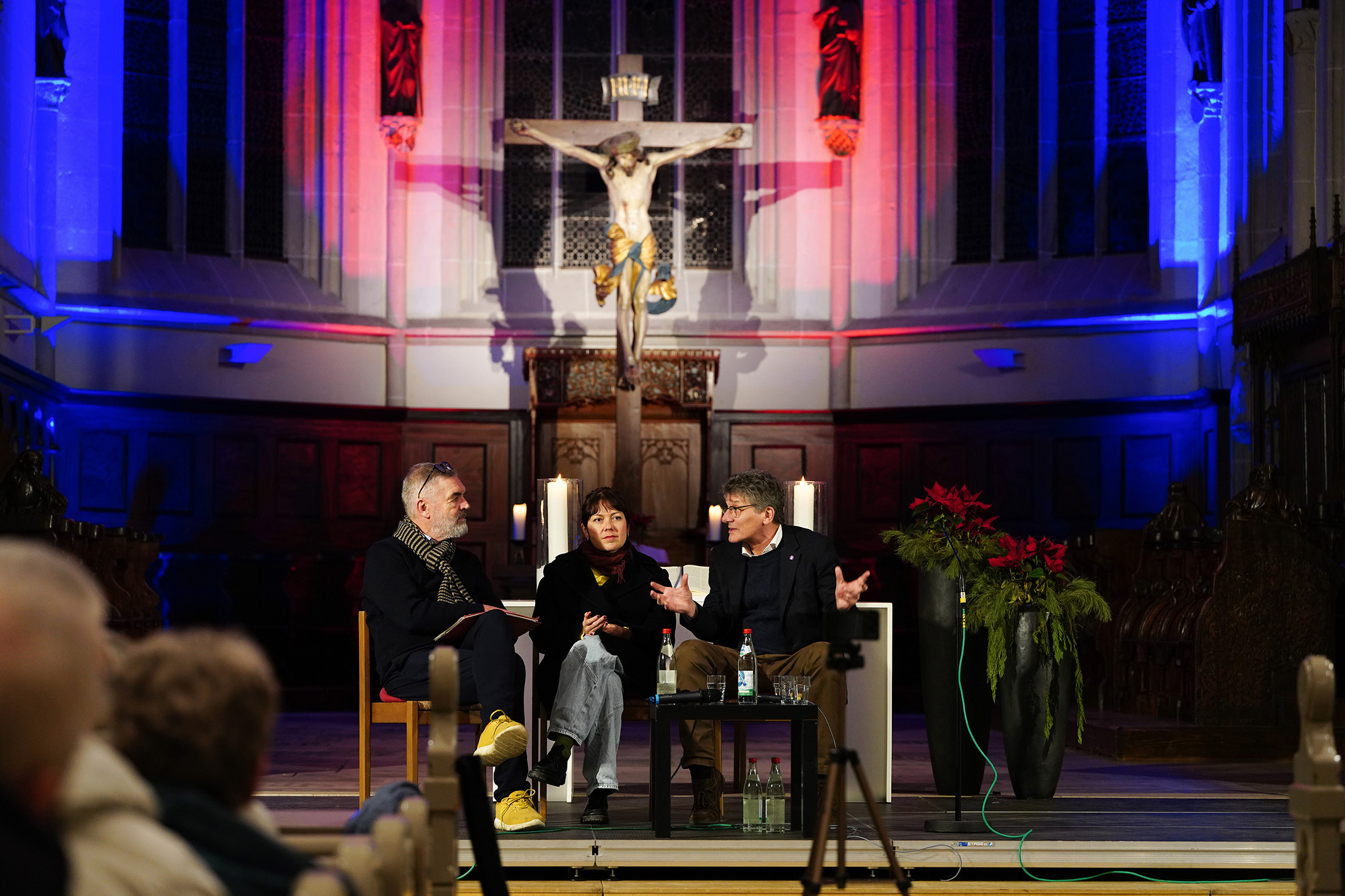
Südwest Presse, Report by Annerose Fischer-Bucher from Göppingen, February 11, 2026. »[Regional Bishop Ernst-Wilhelm] Gohl saw a lack of willingness to listen. As a Christian, he had taken a clear stand against the AfD because the AfD’s view of humanity was incompatible with the Christian one. (…) [Dana von] Suffrin criticized an excessively correct way of speaking that she could no longer bear to hear, saying it had made society even more aggressive. The audience comments that followed covered a jumble of topics: migration in Göppingen; the widening divide at the political extremes; the absence of a church willing to engage in controversy, and criticism of its retreat into social issues; criticism that everything was being talked down. (…) The structure of local services had changed. Someone mentioned ›Göppingen nazifrei‹, a campaign against earlier neo-Nazi marches in the city. (…) Heimat also had its dark sides. (…) Märklin would be unimaginable without migrants.« LINK [€] and PDF
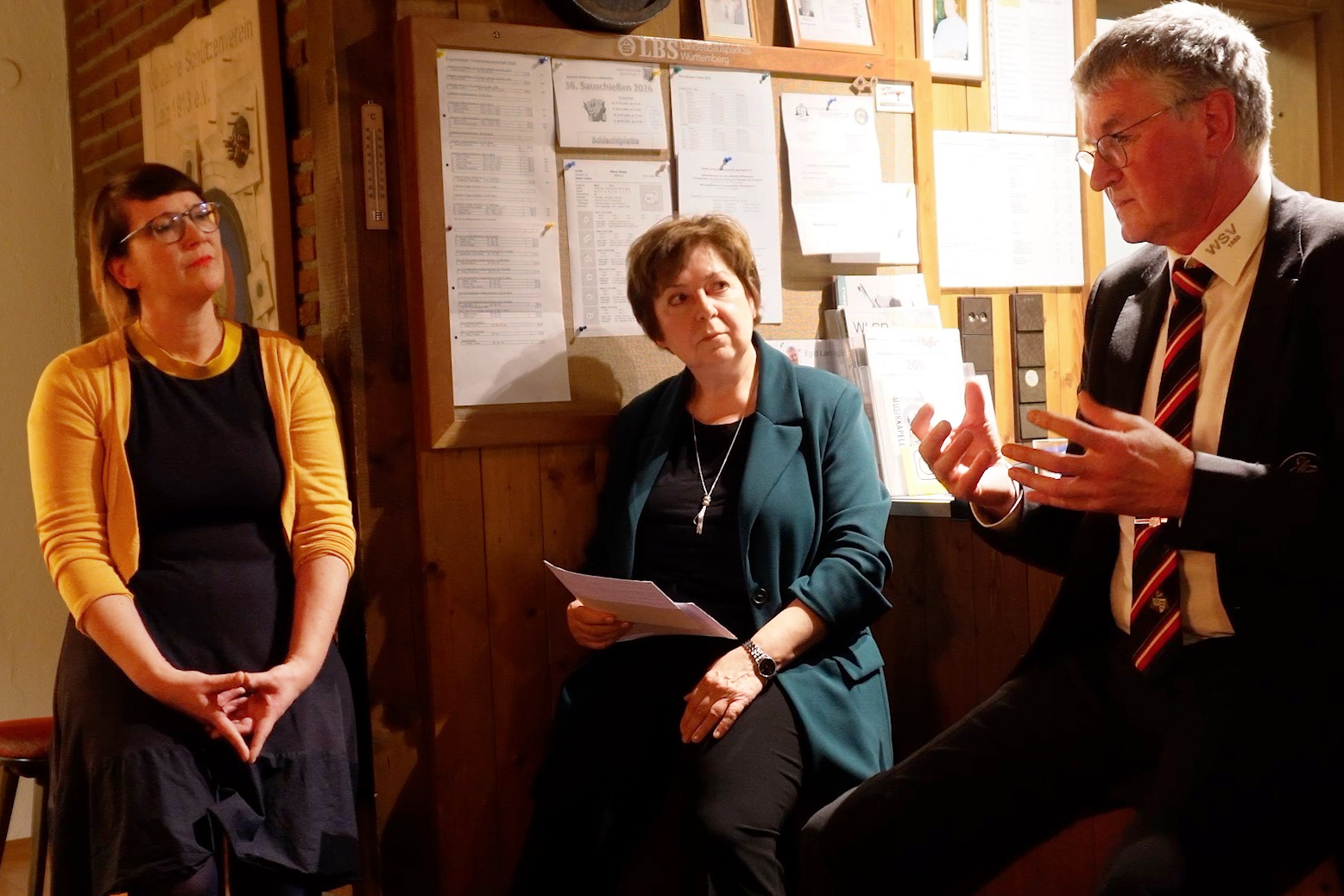
Schwäbische Zeitung, Report by the Laiz Shooting Club from Sigmaringen, February 11, 2026. »The organizers from PEN Berlin, members of the Laiz Shooting Club and a small group of interested residents created a ›living-room atmosphere‹ in the club’s pub. Topics such as Heimat — still or already — fears about the loss of democracy, young people and clubs, life in the countryside compared with the big city, and everyday anxieties about crises shaped the evening. After two hours of intensive conversation, the audience and organizers continued their discussions. (…) The following day, Deniz Yücel and his tour managers had the opportunity to try air-rifle target shooting with head of the shooting club Franz Kapfinger. Everyone considered the event a success. LINK and PDF
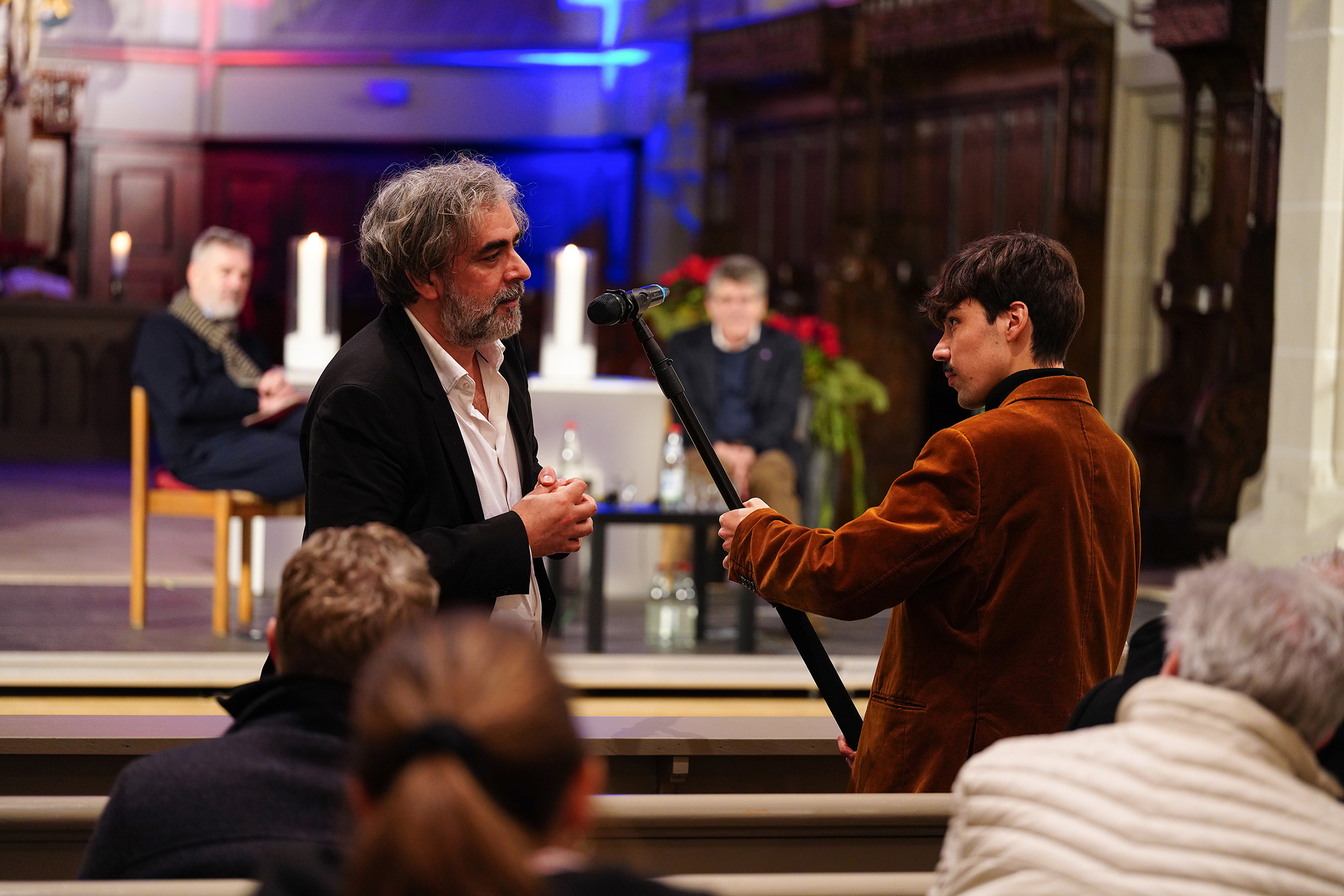
Heimspiel [SC Freiburg’s stadium magazine], interview by Uli Fuchs with Deniz Yücel, February 10, 2026: »It doesn’t always have to be an argument, and success isn’t measured by how many AfD voters attend an event. It’s an invitation to everyone, and even among people who are modern, enlightened, non-nationalist and rather left of center, I think a discussion about Heimat can be an important subject. Put another way: the kind of speech Bruce Springsteen recently gave, tearing into Donald Trump over ICE’s abuses, would, I believe, simply not be possible without a positive attachment to his city and his country.« LINK and PDF
Schwarzwälder Bote [Stuttgarter Nachrichten], Preview by Roland Stöß of the event in Calw, February 10, 2026: »Florian Fuchs, chairman of the Kleine Bühne cabaret association, was enthusiastic: ›When PEN Berlin, the country’s most important writers’ association, asks whether we would like to host a panel discussion on Heimat, of course we don’t say no. We — that is, Kleine Bühne and our partner, the adult education center — are incredibly proud that PEN Berlin, and Deniz Yücel in particular, approached us.‹« LINK and PDF
Südkurier, report by Anette Bengelsdorf from Friedrichshafen, February 9, 2026: »What constitutes Heimat? One audience member pointed out that Heimat is a flexible concept. In the past, you left it as soon as you set off for the neighboring village. Today, only when you leave Germany. Another audience member took an even broader view. She recalled an interview with astronaut Alexander Gerst. When he landed in the Kazakh steppe after a mission to the ISS, he had felt at home there, even though he had never been to that place before. (…) Theresia Walser sees a great disappointment in the longing for Heimat. It is the search for a Heimat that one will never find quite as one wishes. The linden tree from the old days – felled; the painting of the lion on the inn wall – painted over. Loss, she said, plays a major role. LINK [€] and PDF
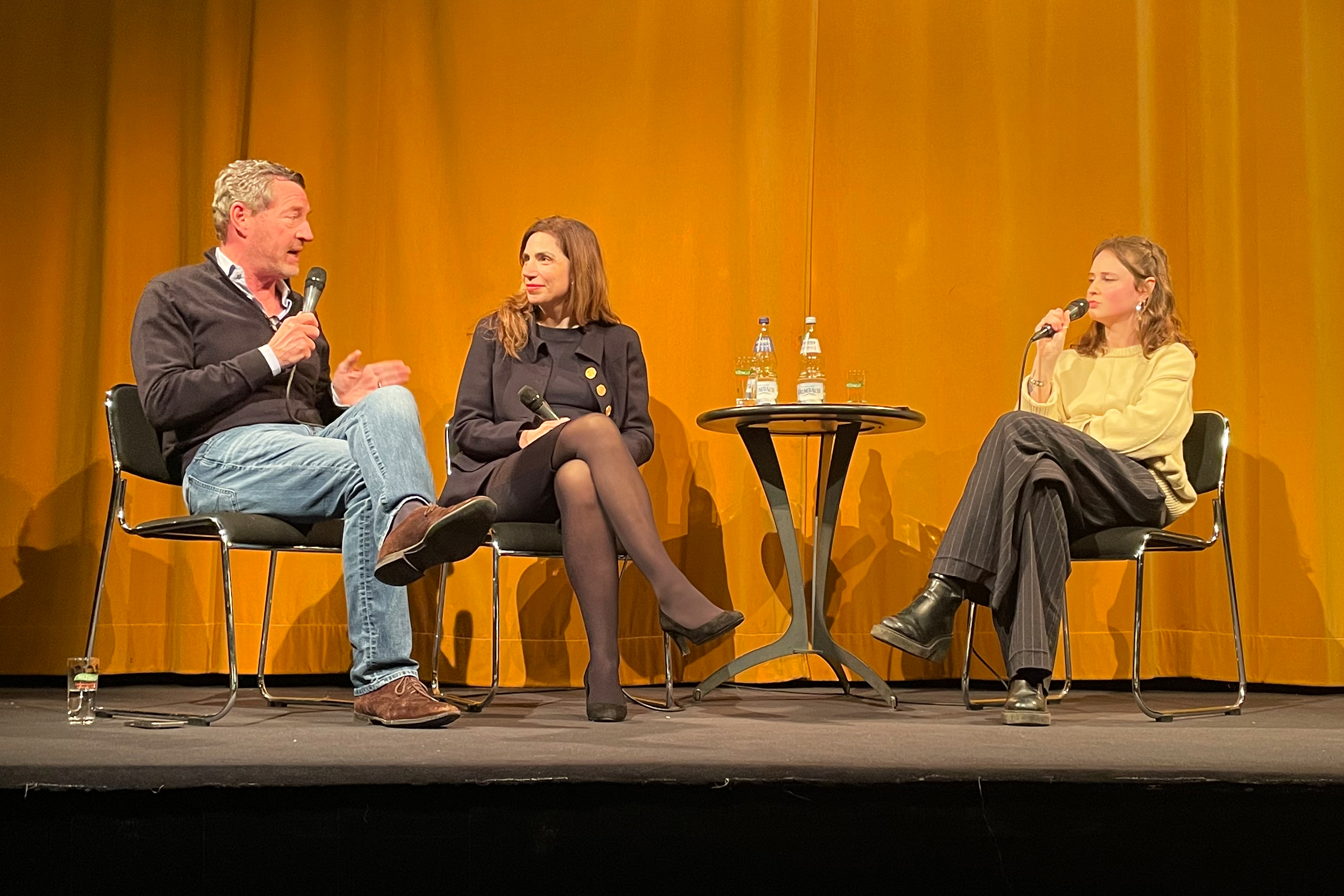
Heidenheimer Zeitung, preview by Jens Eber of the event in Heidenheim, February 6, 2026: »For some people, the concept of Heimat evokes coziness, sentimentality and comfort; others associate Heimat with narrowness and the mustiness of what is all too familiar. Still others simply define Heimat as the place listed on their birth certificate. Whatever definition one chooses, Heimat is likely to have a different resonance and conjure up different images for everyone. Several of these individual understandings of Heimat will be heard on Wednesday (…) at the Heidenheim municipal library. (…) In an interview with the HZ, Deniz Yücel explains why PEN Berlin is offering this series of talks (…) ahead of the state election: ›The run-up to an election is a good moment, because people are particularly interested in politics right now,‹ says Yücel, although it is not a directly political event. LINK [€] and PDF
Rhein-Zeitung, article by Lars Hennemann ahead of the events in Rhineland-Palatinate, February 6, 2026: »What are people actually still allowed to say in Germany? And is this still the country in which I like living? Questions that we as a society have been discussing with increasing intensity for several years. Not only during election campaigns, although especially then. (…) What is exciting and truly important is what happens from this point onward: Are we still capable of reaching a compromise, or at least of continuing to respect one another despite our differing points of view? To explore this (…), the writers’ association PEN Berlin is inviting people to a statewide series of events entitled ›Let’s Talk about Heimat‹. LINK and PDF
Nahe-Zeitung [Rhein-Zeitung], article by Vera Müller ahead of the event in Idar-Oberstein, February 6, 2026: »The series of events is conceived as an open panel discussion and deliberately emphasizes lively exchange between the panel and the audience. At its heart are questions such as: How much Heimat does a person need? What threatens that feeling? And how can people live together in a pluralistic society? The aim is not to provide ready-made answers but to listen and argue things out together – objectively and fairly. LINK and PDF
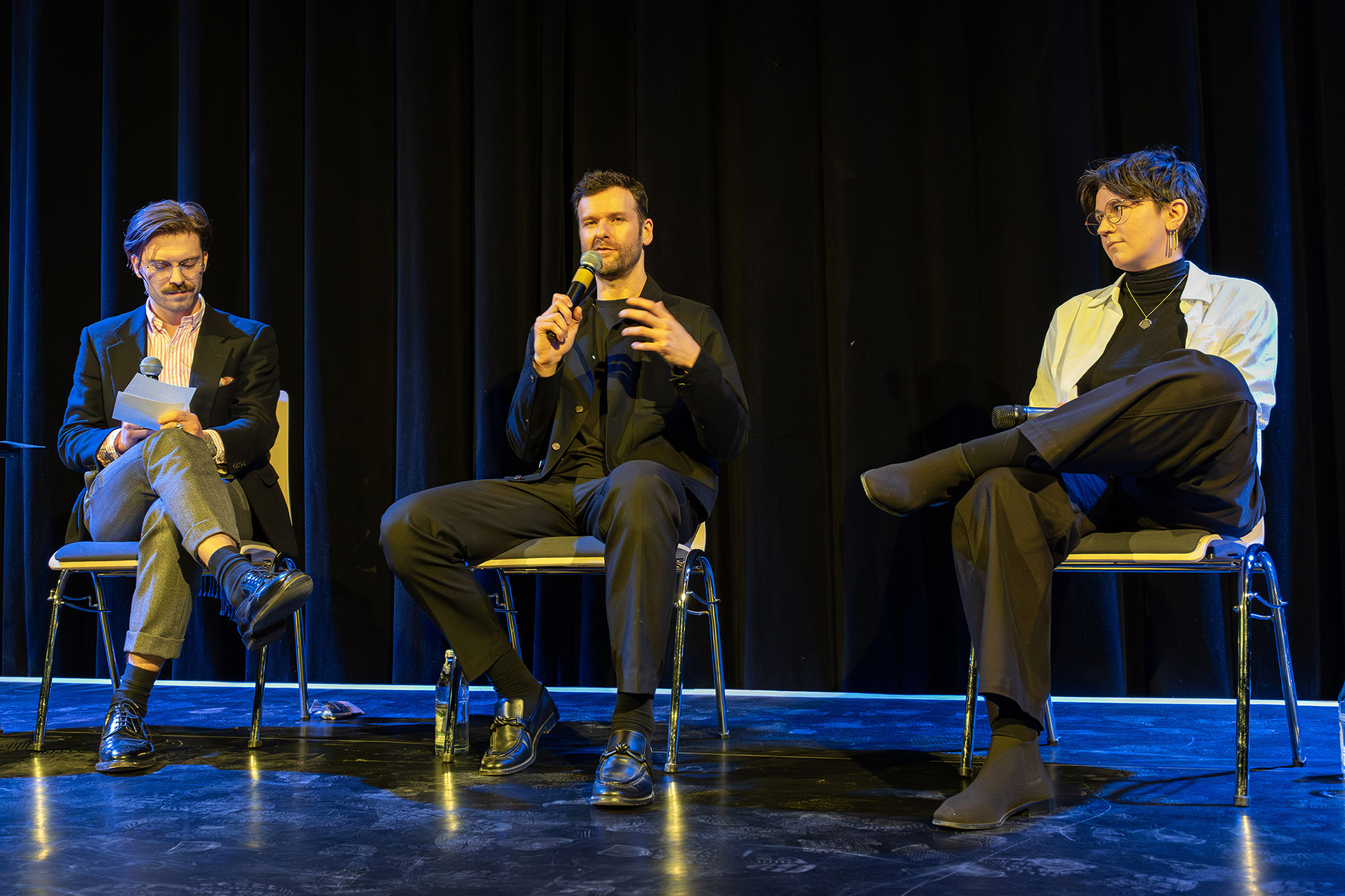
Südkurier, report by Marcus Golling from Konstanz, February 5, 2026: »That Heimat is discussed differently today than it was just a few years ago becomes clear when the audience takes on the leading role of the evening. (…) Visitors to the K9 can take home this conclusion: Heimat is also where people can speak openly. At the same time, the evening shows that the guests do not want to leave the concept of Heimat to those who so readily abuse it, as audience member Franz Baumgartner warns with reference to German and Austrian history. ›Having a home is important,‹ Miku Sophie Kühmel had said, though she is certainly not given to sentimental Heimat nostalgia. And for those two hours or so, the K9 itself seemed to be a temporary home for the group. Which, as the evening showed, would be no small thing. LINK [€] and PDF
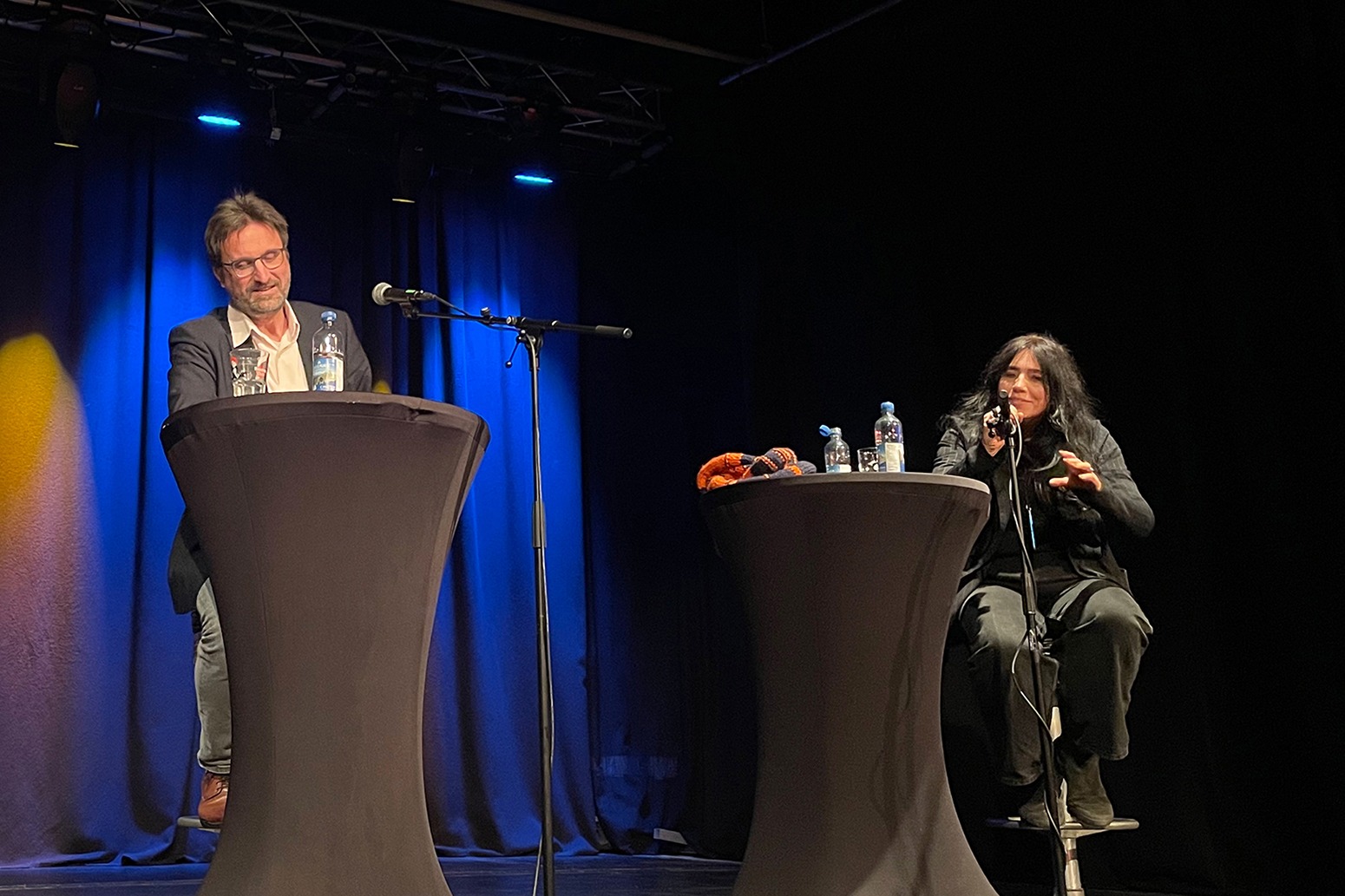
Südwest Presse, preview by Marcus Golling of the event in Ulm, February 5, 2026: »On Tuesday, the Roxy will host ›Hello Ulm, Let’s Talk about Heimat‹ – with an unusual line-up: According to PEN Berlin spokesperson Deniz Yücel, it is the only evening in the series on which all three panel guests have a migration background. Above all, however, they are people with remarkable stories. Like Yücel himself, [Imran] Ayata comes from the left-wing milieu of the 1990s, ›when nobody wanted anything to do with the concept of Heimat,‹ says the PEN spokesperson. That was a long time ago, of course, but there is another interesting point: At the first evenings in the series, the concept itself was hardly questioned at all, Yücel says. The second ›very interesting guest‹ is Michel Abdollahi. (…) His latest book, Es ist unser Land –Wir dürfen Deutschland nicht den Rechten überlassen, was published in 2025. ›That was an application to take part in our series,‹ Yücel says. LINK and PDF
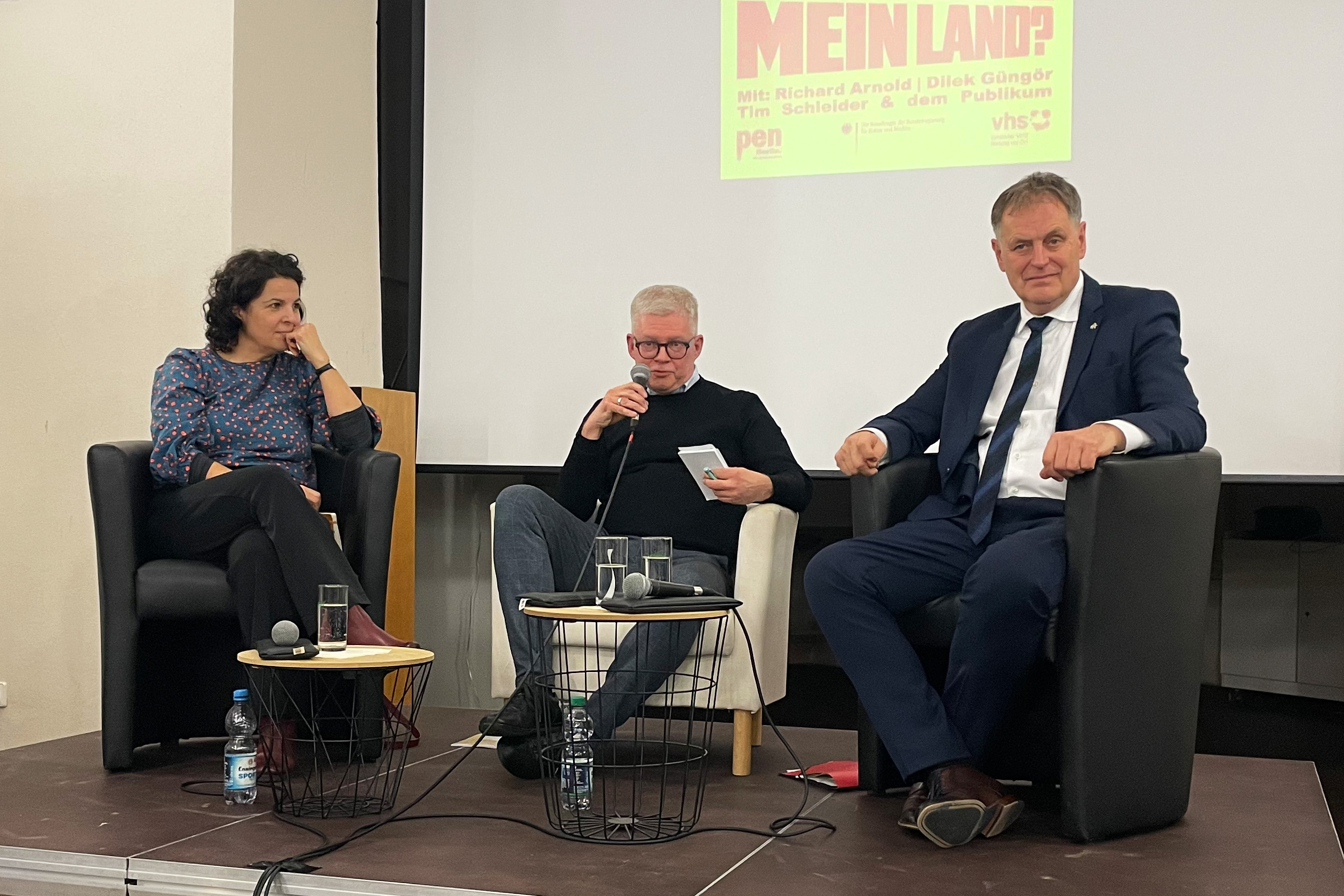
Gmünder Tagespost, report by Michael Länge from Schwäbisch Gmünd, February 3, 2026: »The adult education center’s hall is packed. Deniz Yücel personally brings in more chairs. (…) [Tim] Schleider asks whether Europe gives him a sense of Heimat. [Richard] Arnold agrees with ›Europe as an idea that stands for freedom, for the protection of the individual, for enlightenment,‹ and adds: ›Right now I am becoming aware of how powerful this idea is in a world that is all about strength and carving things up.‹ The tone of her writing has changed, Schleider says to [Dilek] Güngör; she is exploring the feeling of being a stranger more closely. ›The feeling of being a stranger cannot be reduced to language, skin color or origin,‹ Güngör replies. (…) Arnold welcomes state initiatives to promote language learning and advocates at least one compulsory year of kindergarten. Here, once again, Güngör’s different experiences become apparent: ›Getting good grades doesn’t help, doesn’t change anything,‹ she says in reference to belonging. LINK [€] and PDF
3sat, Kulturzeit, report by Dorothea Dörner from Lörrach and studio interview by Cécile Schortmann with Julia Ruhs, February 3, 2026: »What is Heimat? That was the subject of a discussion in Lörrach between the two journalists Julia Ruhs of Bayerischer Rundfunk and Doris Akrap of taz in Berlin. [Akrap:] ›As a child (…) I thought Heimat was where Heidi lived.‹ (…) In the politically charged atmosphere, the concept of Heimat is closely linked to migration. [Ruhs:] ›I think many people are afraid of losing their culture, (…) of their own country becoming more alien to them.‹« LINK and VIDEO
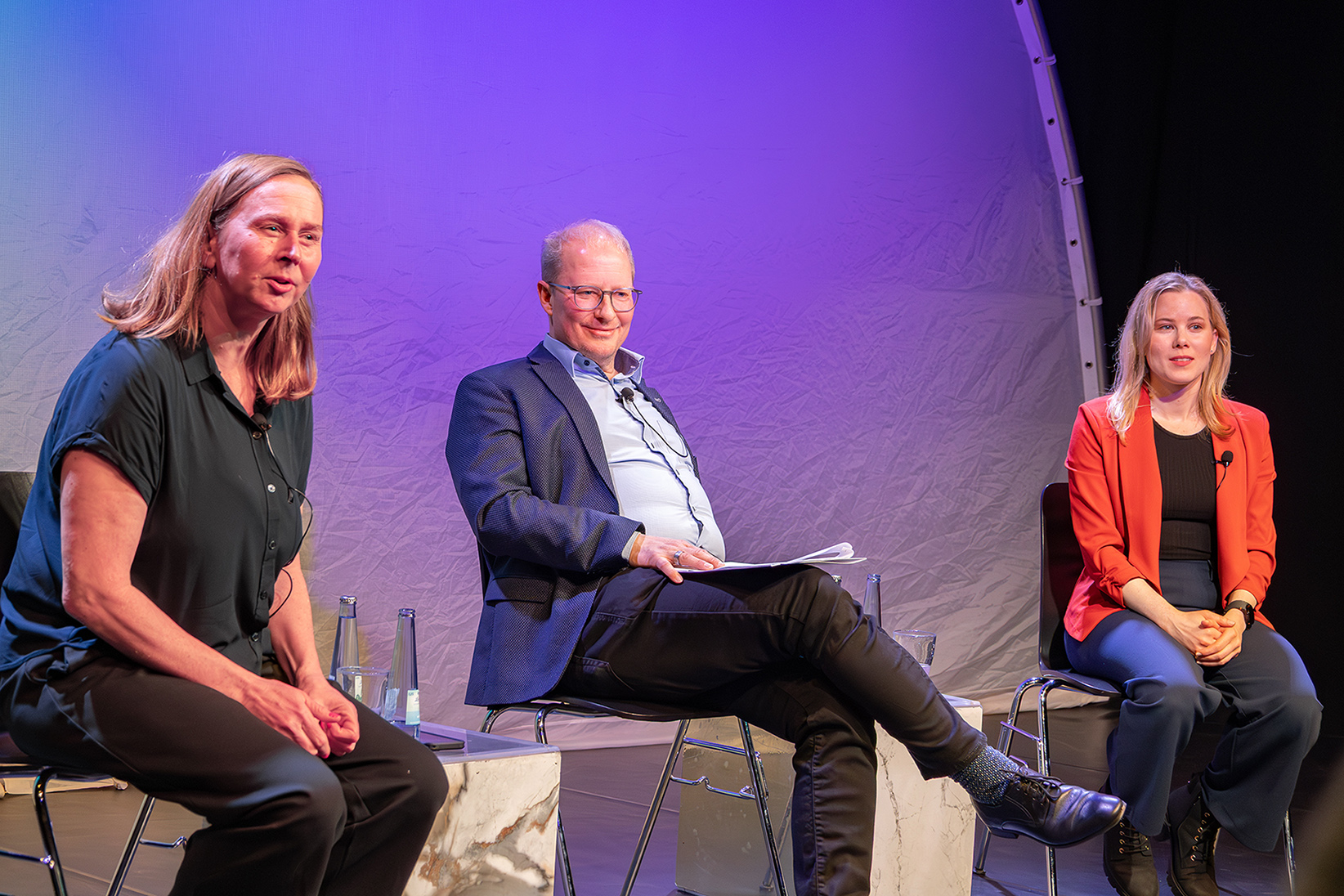
Badische Zeitung, report by Alexandra Günzschel from Lörrach, February 3, 2026. »›Yes, Germany is my country‹ – Doris Akrap, who was born in Hesse as a Yugoslav citizen, was able to answer that question unequivocally, even though Dalmatia is another Heimat for her, about which she has written a travel guide inspired by personal experience. Germany could be particularly proud of its well-functioning rule of law, she explained – an achievement that is often underestimated. Heimat‹ is. Julia Ruhs, by contrast, said this was ›still‹ her country. Referring also to the recent incident at a Hamburg subway station, where a man from South Sudan took an 18-year-old woman to her death when he killed himself, she spoke of growing feelings of insecurity.« LINK [€] and PDF
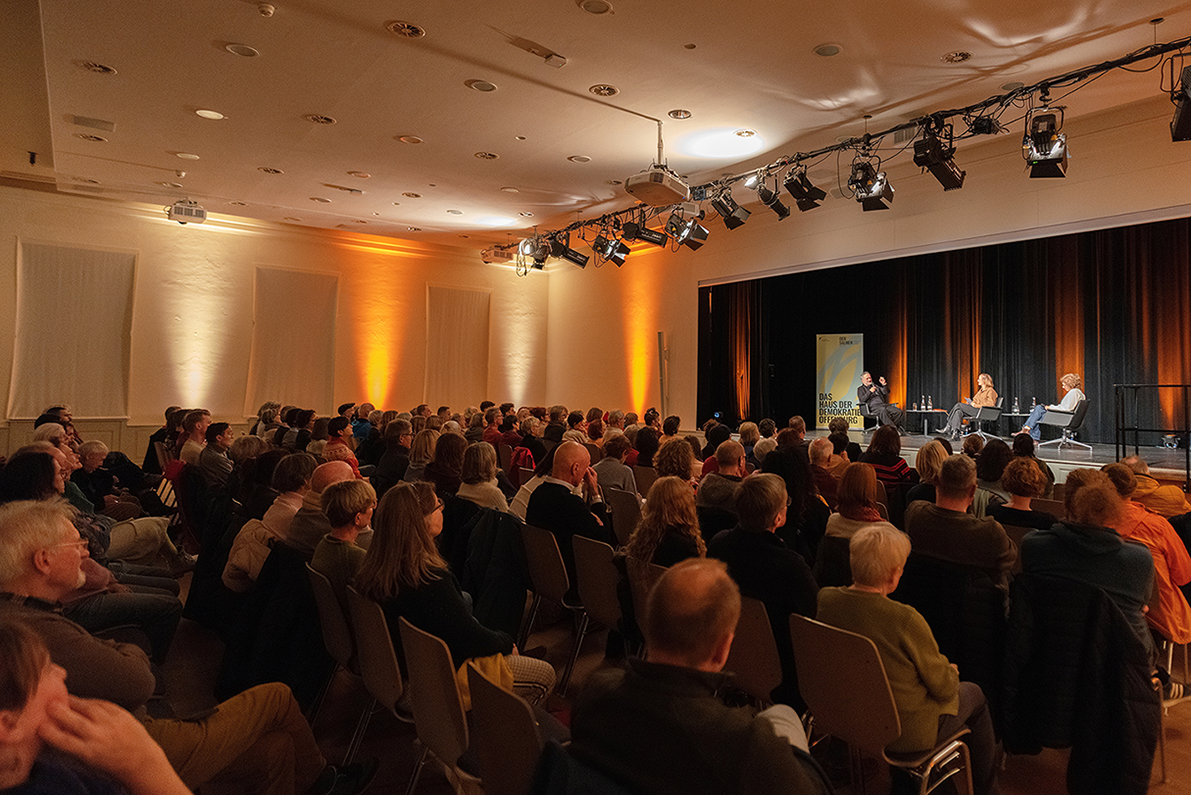
Südkurier, interview by Jann-Luca Künßberg with Deniz Yücel, February 2, 2026. »The concept of Heimat brings together much of what currently shapes political debate in Germany. From what I have observed, a great many fears are involved: fear of economic decline, uncontrolled immigration, the rise of right-wing extremism, and so on. All of these are fears of losing security. And Heimat is nothing other than security. (…) I believe fear is widespread across all sections of society and all political camps. Take Ludwigshafen, where an AfD candidate for mayor was barred from standing in the election. The tendency here is toward abolishing democracy in the name of defending democracy. (…) Out of fear for democracy.« LINK [€] and PDF
Schwäbische Zeitung, preview of the event in Friedrichshafen, February 2, 2026. »The aim is to foster public debate at a time of growing concern about freedom and democracy. ›We want to talk about Heimat, under the deliberately split motto Is This Still My Country? to Is This Already My Country? We are visiting theaters, cultural centers and institutions that matter for social cohesion‹, explains Aron Boks of PEN Berlin.« PDF
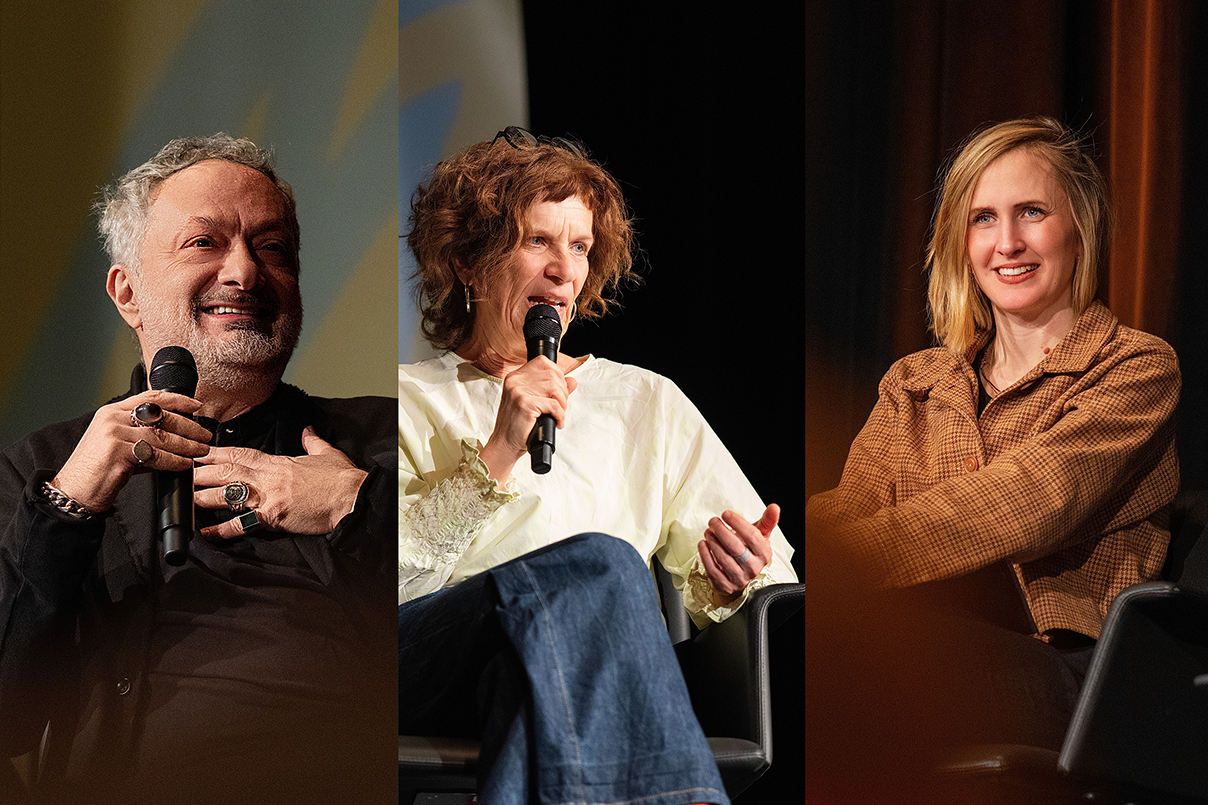
Badische Zeitung, report by Juliana Eiland-Jung from Offenburg, February 2, 2026. »Zaimoglu insisted on individuality but remained skeptical of appealing words such as Heimat. He called ›identity‹ a ›boring thing‹ that quickly leads to ›tribal thinking‹ and criticized the category ›migration background‹ as meaningless. Nevertheless, he could enthusiastically declare: ›Germany is my country.‹ Annette Müller repeatedly emphasized that nobody could derive a claim of ownership from their origins. (…) Many of those present were less concerned about migration than about the rise of right-wing extremism. One audience member described the AfD as a ›symptom, not the disease‹.« LINK [€]
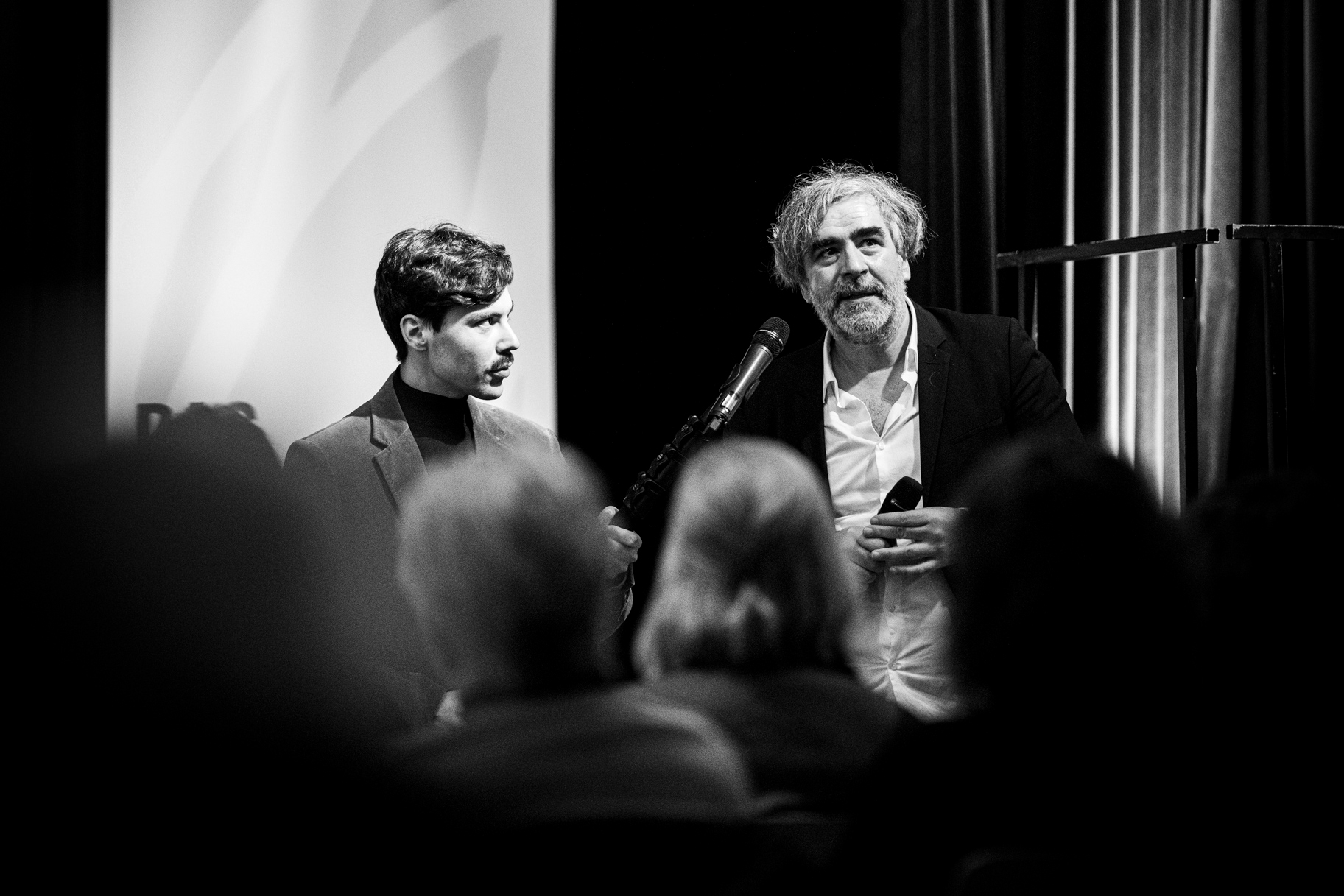
Hohenloher Tagblatt [Südwest Presse], interview by Christine Hofmann with Deniz Yücel, January 31, 2026: »For a long time, like many others on the left in Germany, I considered Heimat a reactionary concept. Or something ridiculous. I wanted to be a citizen of the world, a cosmopolitan, and have nothing to do with it. Now in my early fifties, I still find that idea appealing. But the reality is that I do not feel equally at home everywhere. I have several places I call Heimat: my birthplace, Flörsheim am Main; Berlin, where I have lived, with interruptions, for 30 years; and Istanbul in Turkey, where I very much enjoyed living and working. I am a huge fan of Italy, but I do not have the same connection to it. For me, though, Heimat is not just something positive or comforting.« LINK [€] and PDF
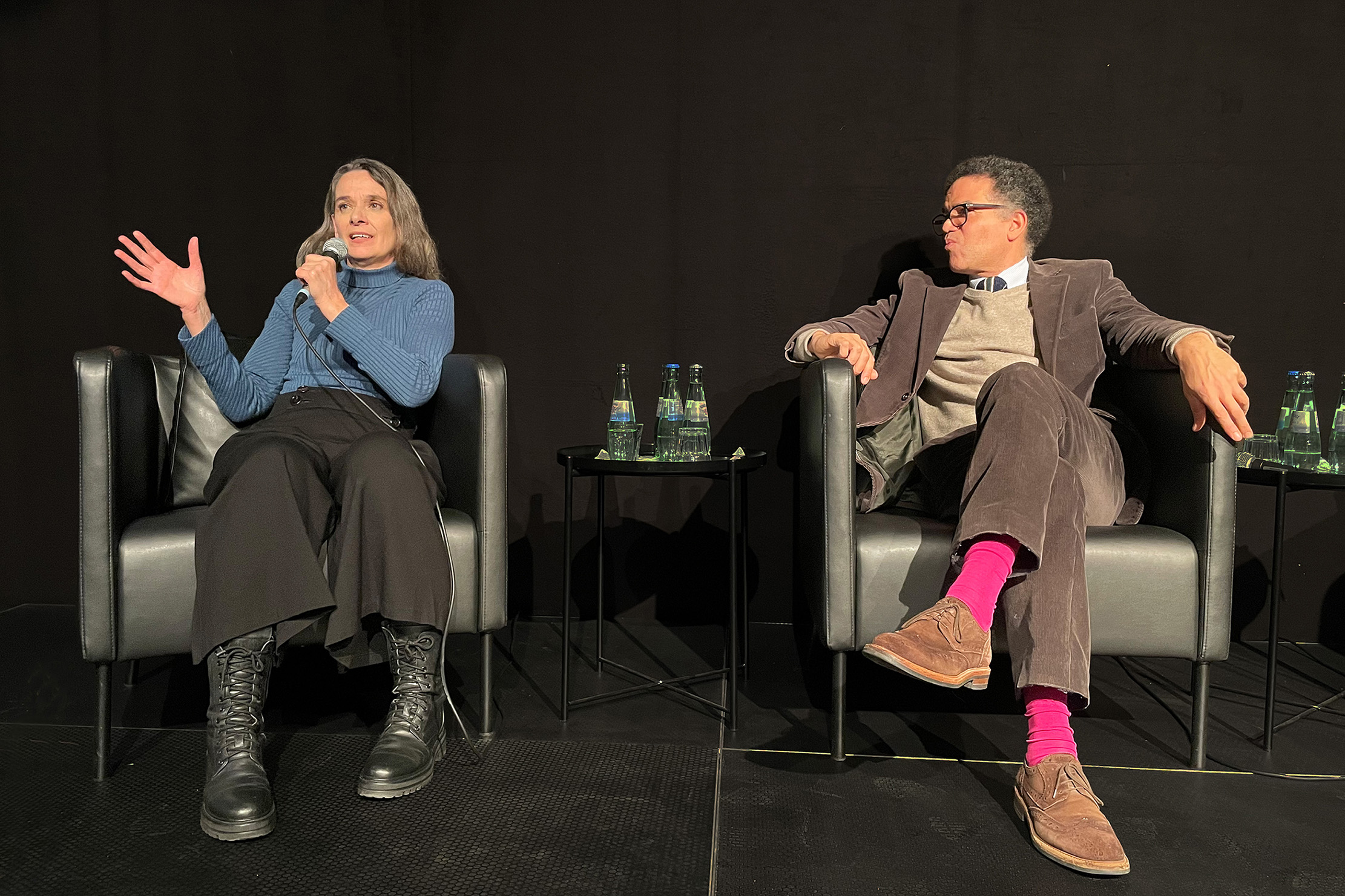
Rhein-Nackar-Zeitung, report by Ingrid Thoms-Hoffmann from Heidelberg, January 29, 2026. »Francesca Melandri and Ijoma Mangold on the panel, together with an audience eager to debate, sought to dismantle what the Nazis had exploited for racist purposes. (…) While Mangold ›sees no reason‹ to question it, Melandri feels Italian, or better still, European. Neither concealed the fact that a great deal is going wrong politically in both countries. (…) Thought-provoking suggestions came from the audience itself. ›We need to rethink concepts such as integration,‹ an older woman urged. If people from elsewhere are to find a Heimat here, we should ask ourselves how to deal with two cultures. ›We must be willing to live with that inner conflict,‹ she insisted.« LINK [€] and PDF
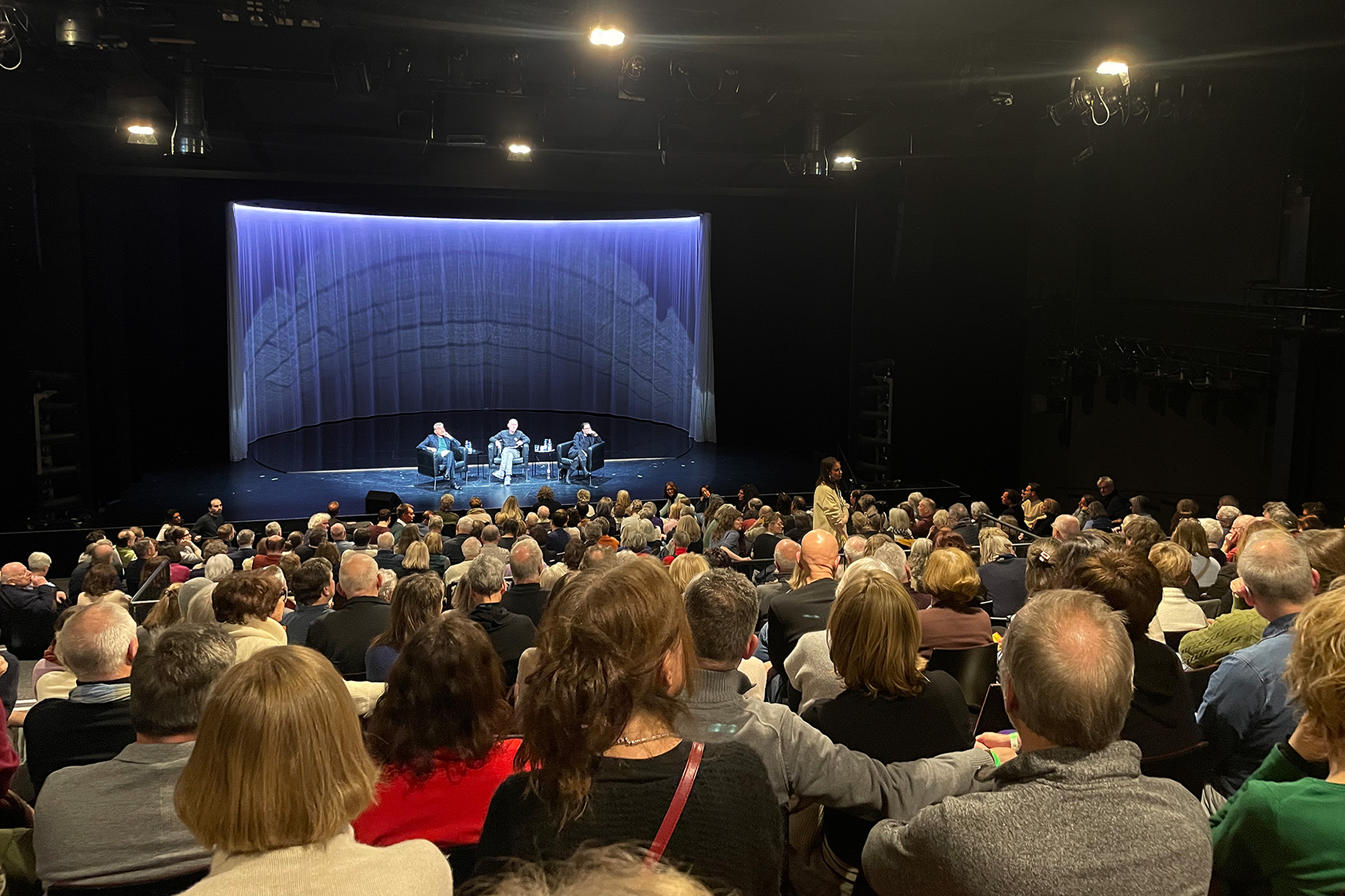
Badische Zeitung, Interview by Sabine Ehrentreich with Doris Akrap, ahead of the event in Lörrach, January 28, 2026: »At other events, the audience plays the smallest part: at the end, they may ask a few follow-up questions, and that is it. Here it is different. What is remarkable is how attentive the audience is, how well informed they are. There are moments of reflection. As in Baden-Württemberg, the series in eastern Germany did not necessarily take place in venues where one would normally expect PEN Berlin. People are very grateful that discussions about issues affecting their everyday lives are being held in their own communities for once. (…) In Lörrach, the organizers have evidently made a deliberate effort to bring together the Tempus fugit venue and the Narrengilde as a partner – people who would not necessarily come together otherwise. That is quite unusual. I think this cooperation is wonderful – at a time when the fool is king.« LINK [€] and PDF
Stuttgarter Zeitung, Interview by Tim Schleider with Dilek Güngör, ahead of the event in Schwäbisch Gmünd, January 27, 2026. »I cannot imagine feeling at home in a place if you do not share a language, if you cannot understand one another at all. The common language probably does not have to be the national language; many people in Berlin speak English with one another. But if others do not understand me and talking to them takes a great deal of effort, it is difficult to form a close bond with someone. Still, I oppose denying anyone rights because they do not speak a particular language well enough.« LINK and PDF
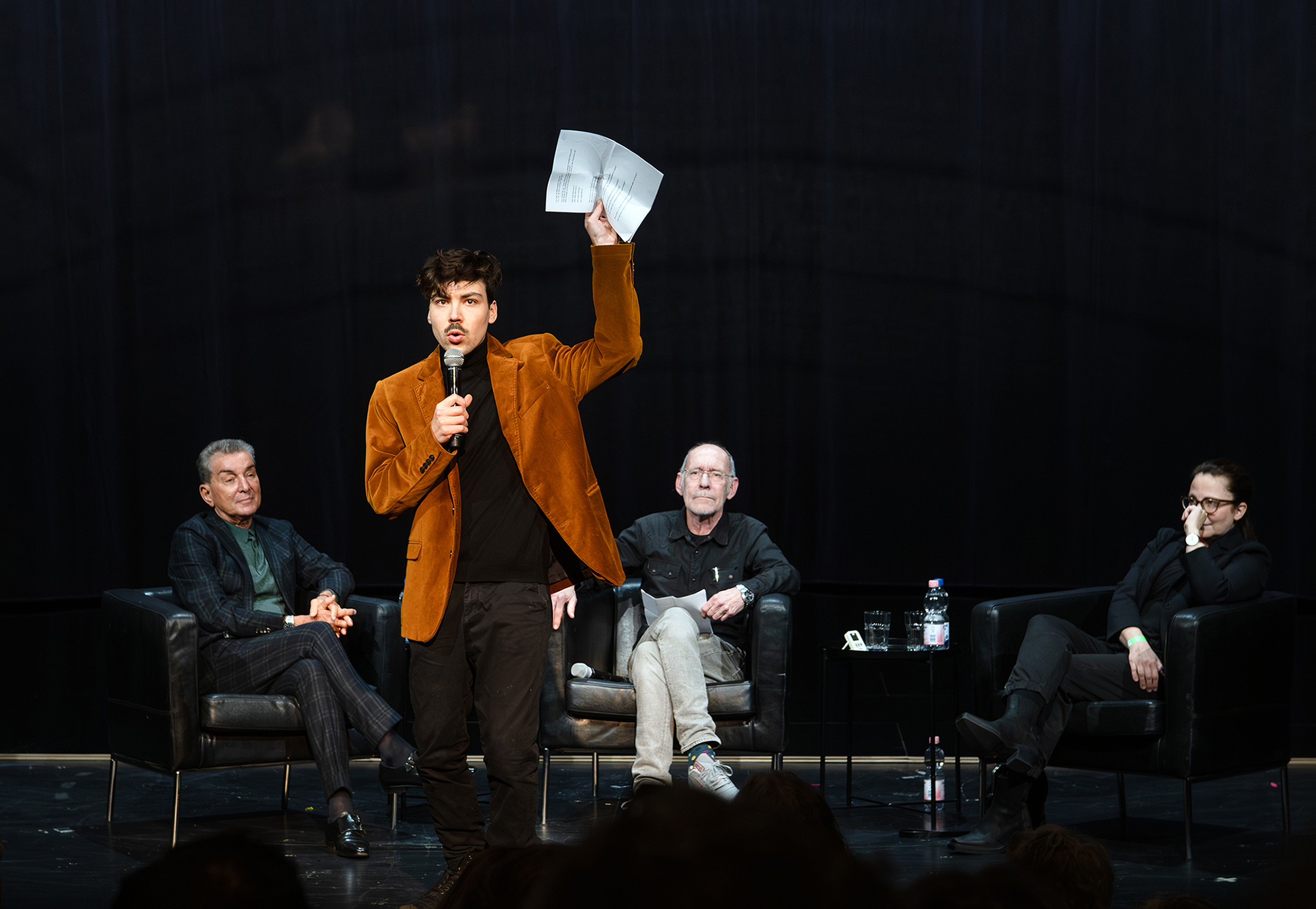
Mannheimer Morgen, Commentary by Stefan M. Dettlinger from Mannheim, January 27, 2026. »How often have we sat through debates and, after 90 minutes, half exhausted and half overwhelmed, finally reached the ›audience questions‹, when the audience, already weary and worn down, wanted just one thing: to go home! Here, at the discussion ›Is This Still or Already My Country?‹, things are different: the audience plays (almost) the leading role, fires off statements, asks questions and reveals personal experiences. We should have formats like this much more often. They may not be quite as intellectually brilliant or as illuminating aesthetically and intellectually as an hour or two of Michel Friedman or Thea Dorn ›philosophizing‹ on their own. But they matter for our culture of debate, for democracy, which challenges all of us every day: we must talk.« LINK and PDF
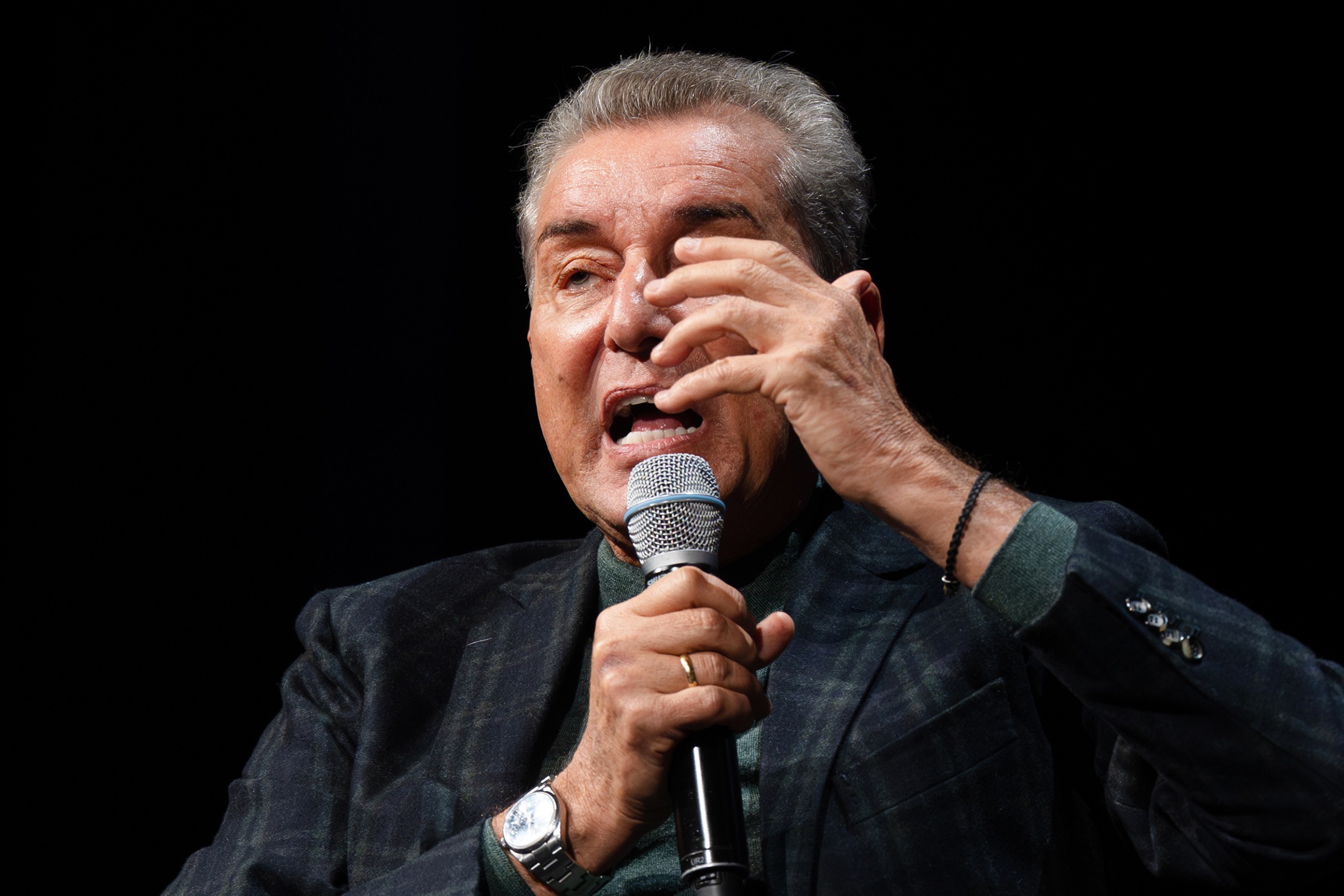
Mannheimer Morgen, Report by Martin Vögele from Mannheim, January 27, 2026. »We, too, spoke with members of the audience, asking visitors before and after the event what had prompted them to come, how they experienced the evening and what they took away from it. (…) Mannheim’s former mayor Peter Kurz also attended and spoke toward the end. ›I think it is extremely important at this time to keep creating new opportunities for discussion, exchange and conversation,‹ he said afterwards. He also welcomed the fact that the institution – the Nationaltheater – was opening its doors to such an event.« LINK [€] and PDF
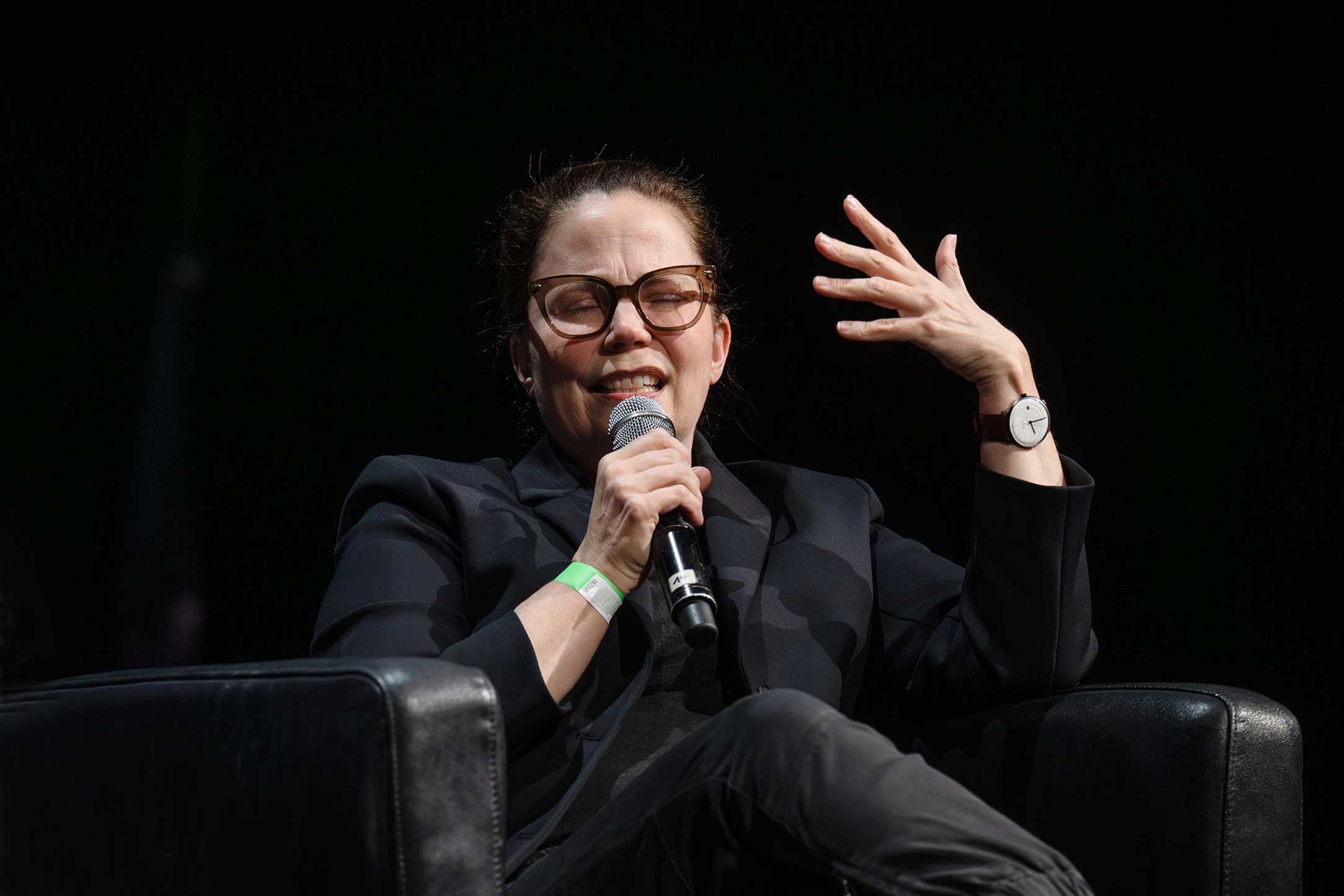
Mannheimer Morgen, Report by Stefan M. Dettlinger from Mannheim, January 27, 2026. »The discussion series on Heimat organized by PEN Berlin got off to an entertaining start on Monday evening at the Altes Kino Franklin in Mannheim . Aron Boks, one of the evening’s moderators, began by involving the audience with simple questions ranging from deadly serious to tongue-in-cheek. (…) Dorn recalled the philosopher Bernhard Waldenfels, whose theory gave a central role to the familiar world and the alien world. If the two worlds were not properly balanced, fear would arise, the philosopher said. (…) Christian Holtzhauer, the artistic director of drama at the Nationaltheater Mannheim, can count the event a success. The audience took an active part, which should give Michel Friedman hope. Picking up on Friedman’s warnings, moderator Stiller ended with the appeal: ›Let us remain vigilant, let us take action!‹« LINK [€] und PDF
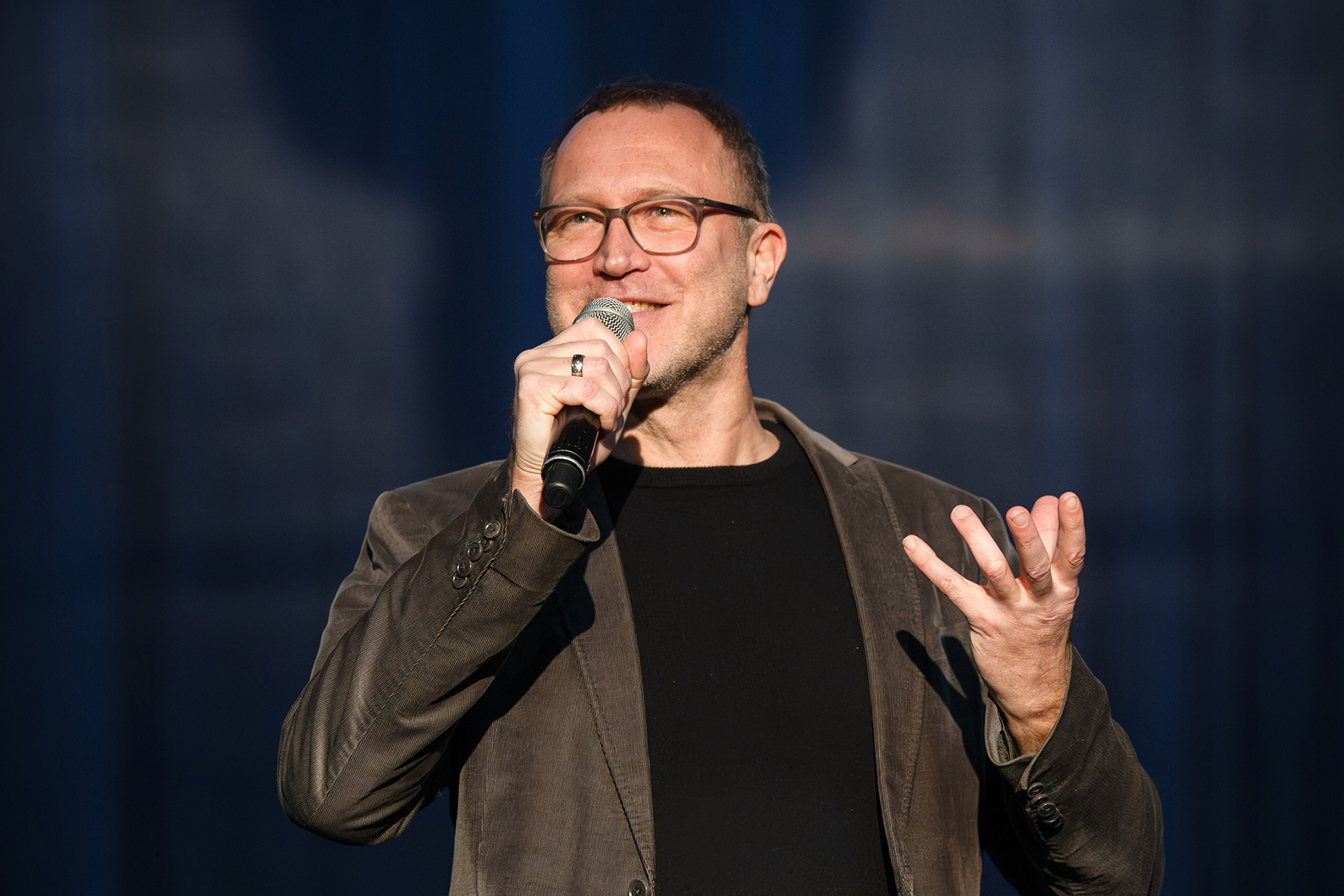
Stuttgarter Zeitung, Preview by Tim Schleider of the series in Baden-Württemberg, January 27, 2026. »What is meant to make the PEN events special is that they will not merely feature a panel of prominent guests: the audience, too, is supposed to help shape the discussion from the very beginning. (…) Can that work? ›It worked in the East,‹ Yücel says confidently. (…) But is there not still a danger that the evenings themselves will get out of hand, merely reflecting a divided society? Deniz Yücel sees things differently: ›I find the phrase “divided society” strange. We live in a pluralistic society (…).‹ What really is disastrously divided, he says, ›is the public sphere, the public debate.‹ This is where an existential threat to democracy lurks, as can be seen wherever liberal states have turned into authoritarian systems.« LINK [€]
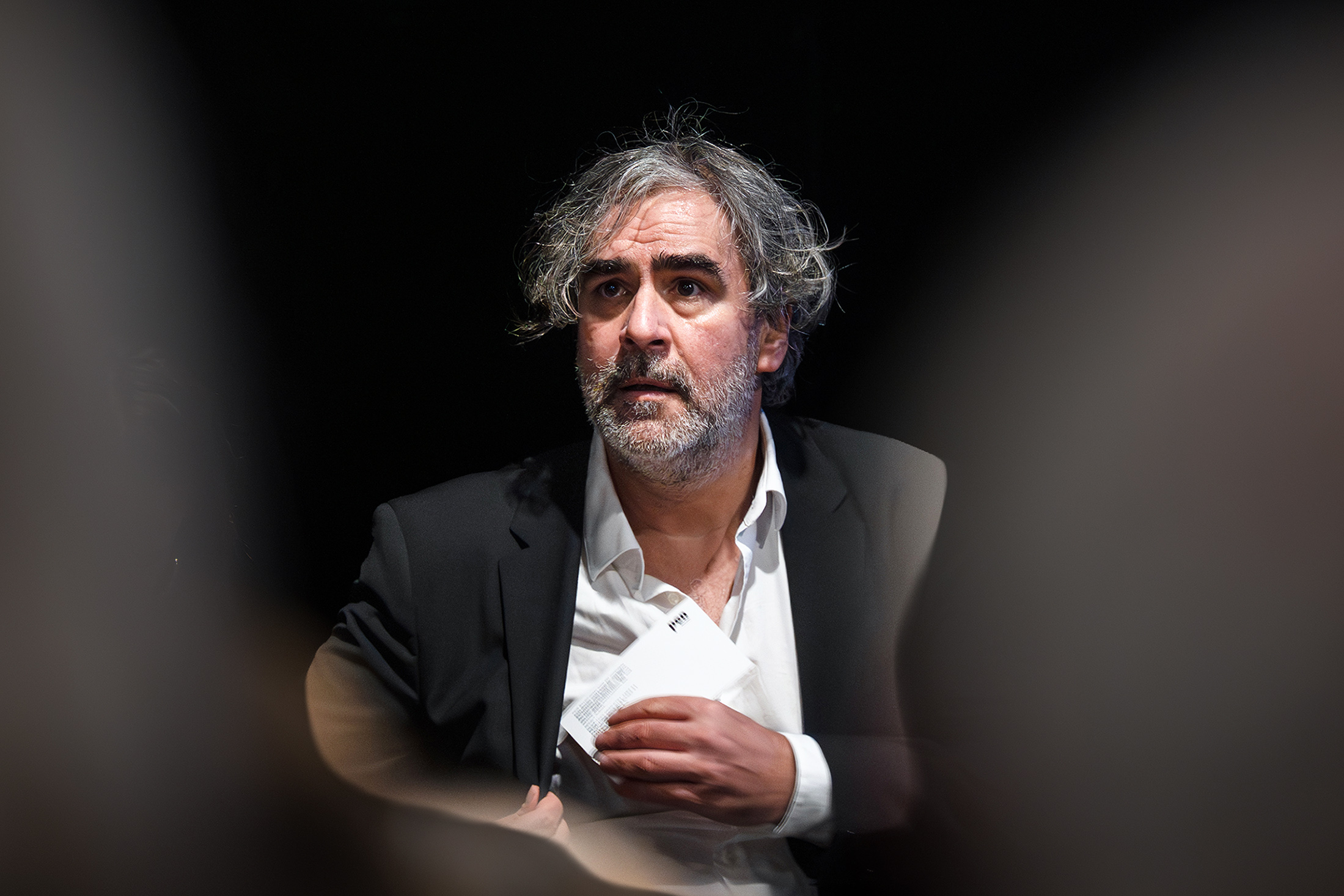
DLF Kultur, Studio 9, Conversation between Julius Stucke and Deniz Yücel, January 26, 2026: »Jean Améry wrote a wonderful essay entitled ›How Much Heimat Does a Person Need?‹. It contains the simple – and, I think, very accurate – observation that Heimat means security. (…) If we equate Heimat with security, we realize that many of the debates and issues currently preoccupying us in Germany, and elsewhere in the world, have a great deal to do with fears: fear of economic decline, of losing one’s job; particularly in Baden-Württemberg, of the decline – or impending decline – of the automotive industry; fear of uncontrolled immigration, of right-wing extremism, and of international upheavals.« LINK und AUDIO
Rhein-Neckar-Zeitung, Interview by Alexander Wenisch with Ijoma Mangold ahead of the event in Heidelberg, January 26, 2026. »I was born and raised in Heidelberg. Heidelberg represents my childhood and youth. As long as you are a child living in the world you grow up in, you do not really have a sense of Heimat – you simply take it for granted. It is like water to a fish: it does not think about it because it cannot imagine life outside the water. Only when you leave the place where you were born and move far away do you become more aware – at least that is how it was for me – of just how much you have been shaped by the region, its mentality, its dialect and, of course, the Palatinate wine, which I greatly appreciate. Only with distance from Heidelberg did I realize how attached I was to it. Of course, that is convenient, because from afar you can easily romanticize everything and long to return – without that longing ever really being put to the test.« LINK [€] und PDF
SWR Kultur, lesenswert, Conversation between Kristine Harthauer and Deniz Yücel, ahead of the series in Baden-Württemberg, January 23, 2026. »People consume different media, live in different realities and no longer debate with one another. And when you look at other countries, for example Turkey or the United States, where these processes are further advanced, you can see where this fragmentation of the public sphere leads: to an existential threat to democracy. You cannot counter that merely by lamenting it; you have to try to overcome the fragmentation of the public sphere. That is our approach, using the means available to a voluntary association – no more, but no less.« LINK und AUDIO
Südwest Presse, Preview by Marcus Golling of the series in Baden-Württemberg, January 23, 2026. »Fear of economic decline, unemployment, uncontrolled immigration, a takeover by right-wing extremists, climate catastrophe and war. From PEN Berlin’s perspective, these subjects are too often discussed in closed circles. This time, however, everyone is invited, and admission is free. Spokesperson Yücel says: ›The biggest problem is the fragmentation of the public sphere. Our aim, as far as we can, is to overcome that division every evening, whether in Calw or Bad Mergentheim, but of course also in Freiburg and Heidelberg.‹ That intention is reflected in the panels: participants include sociologist Heinz Bude, former Green mayor of Stuttgart Fritz Kuhn and writer Eva Menasse, but also Steffen Mayer, the regional chairman of the Association of German Criminal Investigators, BR journalist Julia Ruhs and former AfD politician Joana Cotar.« LINK und PDF
Mannheimer Morgen, Interview by Stefan M. Dettlinger with Deniz Yücel, January 22, 2026. »We talk about democracy not just in terms of polarization, but also in terms of the fragmentation of the public sphere. With this series, we are trying, locally, evening after evening, to overcome that division a little and thereby create a republican public sphere in which everyone can have their say (…) by not putting up prohibition signs, but saying: Everyone is invited, everyone can say anything – not at any time or for any length of time, so that many people get a chance to speak. But we are not afraid of free speech. Last time, the result was highly controversial, but civilized. And afterwards people said: ›Thank you for making this possible. We didn’t think it was even possible anymore.‹« LINK [€] und PDF
Rems-Zeitung [RND], Preview by Thorsten Vaas of the event in Schwäbisch Gmünd, January 21, 2026. »What does Heimat mean at a time when many people feel insecure? This central question is at the heart of the new series of talks ›Hello Baden-Württemberg‹, which is taking the PEN Berlin writers’ association to southwestern Germany. On Monday, February 2, the tour stops in Schwäbisch Gmünd: from 7 p.m., the auditorium of the local adult education center will become a forum for citizens. (…) The panel in Schwäbisch Gmünd features distinguished guests with local roots. Alongside Mayor Richard Arnold, acclaimed author Dilek Güngör will take part. For Güngör, the evening is a homecoming.« LINK
Hohenloher Tagblatt [Südwest Presse], Preview by Christine Hofmann of the event in Crailsheim, January 21, 2026: »This year’s series of events has a different focus. It is about Heimat, the place where one lives and feels at home. But it is also about the fear of losing Heimat. ›It won’t always be pleasant. But it seems to me that seeking out debate is the right approach,‹ said PEN Berlin spokesperson Yücel. ›Better than sitting in Berlin, invoking our democracy and watching the number of people included in that possessive pronoun grow ever smaller.‹« LINK [€] und PDF
Berliner Zeitung, Preview by Cornelia Geißler, January 19, 2026: »The PEN Berlin writers’ association is once again addressing a sense of unease in society. After organizing public discussions on freedom of expression in 37 eastern German towns and cities, from Annaberg to Zwickau, ahead of the 2024 state elections, the focus is now on the question of Heimat. Difficulties finding housing, unsatisfactory transport, healthcare, crime and loneliness concern many people. ›All these fears and others can be brought together under one theme: the fear of losing what is familiar,‹ PEN Berlin writes in its announcement.« LINK
Fränkische Nachrichten, Preview of the event in Bad Mergentheim, January 14, 2026: »As with the widely noted and highly praised series of events held ahead of the 2024 state elections in Saxony, Thuringia and Brandenburg, the audience is invited to join the discussion. (…) On Tuesday, February 17, PEN Berlin will stop at ›Literatur allerorten‹ in Bad Mergentheim. At 7 p.m., politician Fritz Kuhn, who was born in Bad Mergentheim, literary critic Denis Scheck and translator and journalist Beatrice Faßbender will discuss Heimat and democracy with the audience. (….) ›Hello Mergentheim, let’s talk about Heimat.‹« LINK [€]
Badische Zeitung, Preview by Ralf Burgmaier, January 14, 2026: »At the initiative of the PEN Berlin writers’ association, the Salmen in Offenburg is hosting an evening of discussion in which not only the invited panelists but, above all, the audience will have an opportunity to contribute. (…) Theater maker and political activist Annette Müller was selected for the panel as a representative of the city of Offenbur (…).« LINK [€]
With the generous support of: