
PEN Berlin mourns Lutz van Dijk
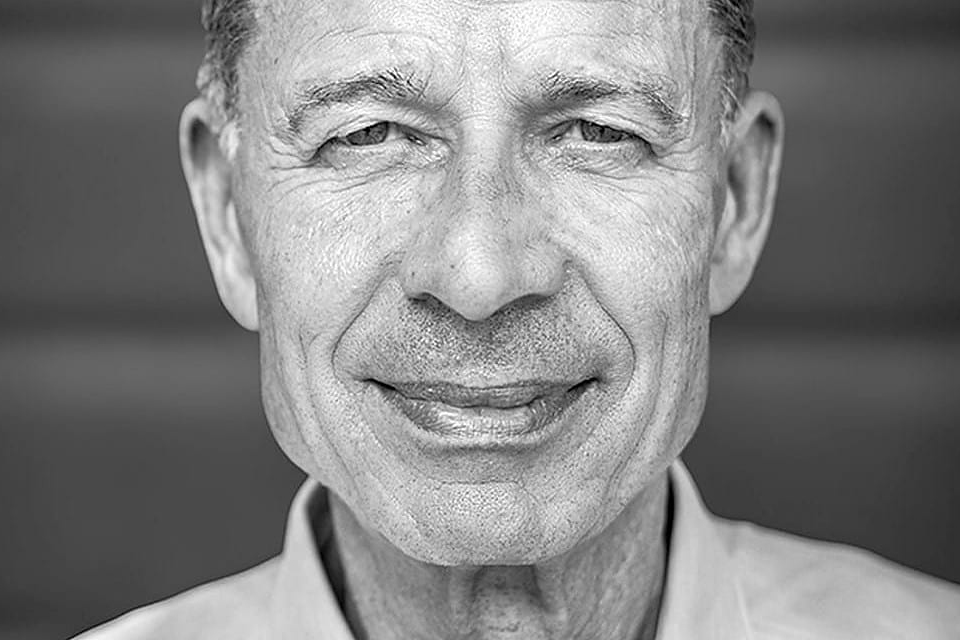
Lutz van Dijk, a founding member of PEN Berlin, died in Amsterdam on 17 November at the age of 71. A writer and educator, he campaigned for years for the German Bundestag to commemorate the queer victims of Nazi persecution. In January 2023, the Bundestag held that ceremony.
In South Africa, van Dijk joined Karin Chubb and fellow activists in founding HOKISA, a home for children and young people whose families have been affected by HIV and AIDS. Read the obituary on queer.de (in German)
Turkey: A NATO ally is turning into a dictatorship and nobody gives a damn
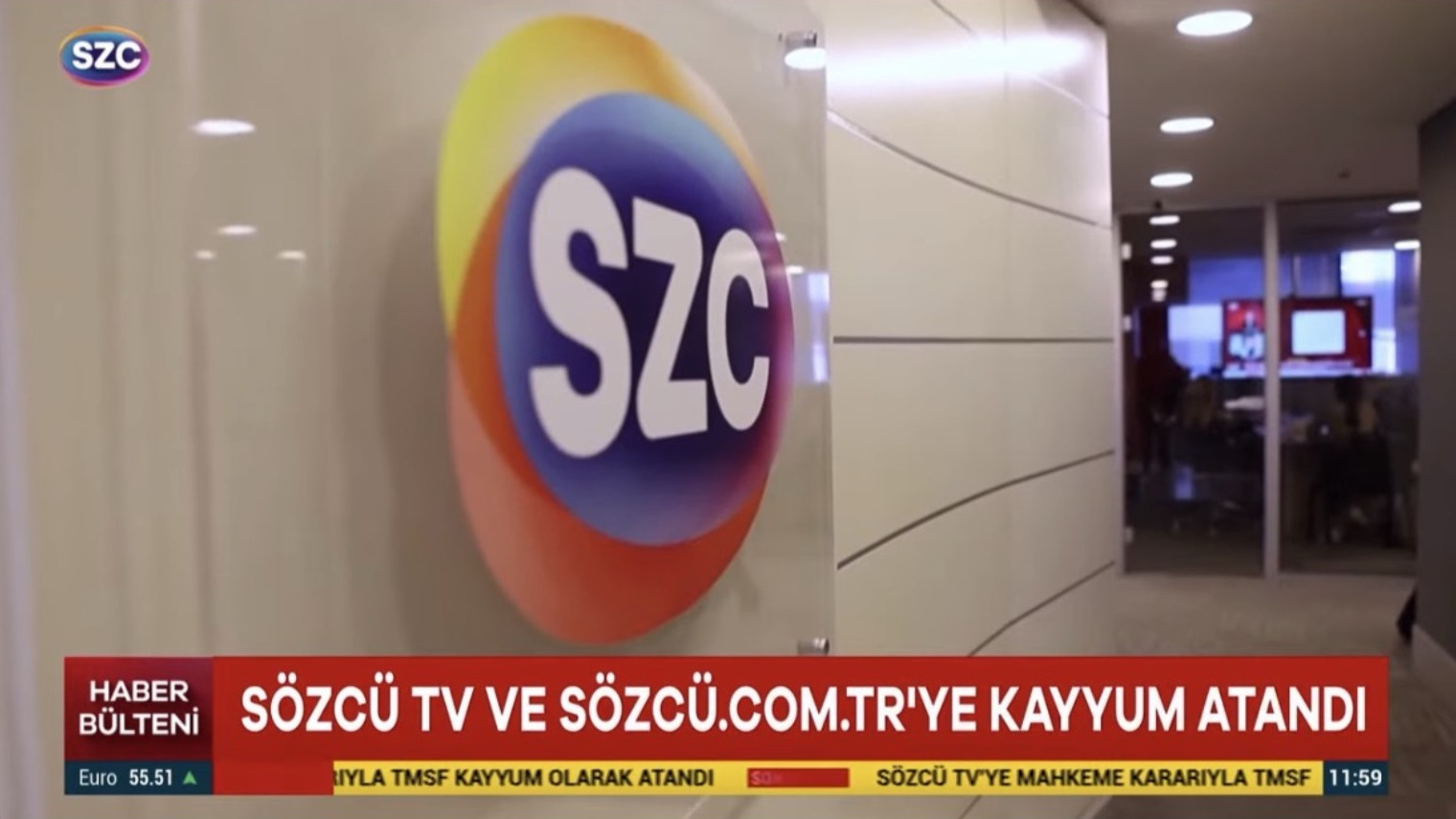
»Turkey is moving rapidly from autocracy towards dictatorship«, PEN Berlin wrote in mid-October after the state seized and effectively shut down Halk TV. Five weeks later, police stormed Sözcü TV’s newsroom early on Tuesday morning. The broadcaster, second only to Halk TV in the ratings, and its website, Sozcu.com.tr, have now been placed under compulsory state administration. (…) PEN Berlin spokesperson Deniz Yücel recalls 2016–17, when he and many of his Turkish colleagues were behind bars. He says the remaining media outlets that criticise the government now face at least as much repression as they did then. »Back then, international criticism came thick and fast. Today Erdoğan doesn’t even have to listen to ritual expressions of ›concern‹.« MORE
New PEN Berlin Spokesperson Elected: Saba-Nur Cheema
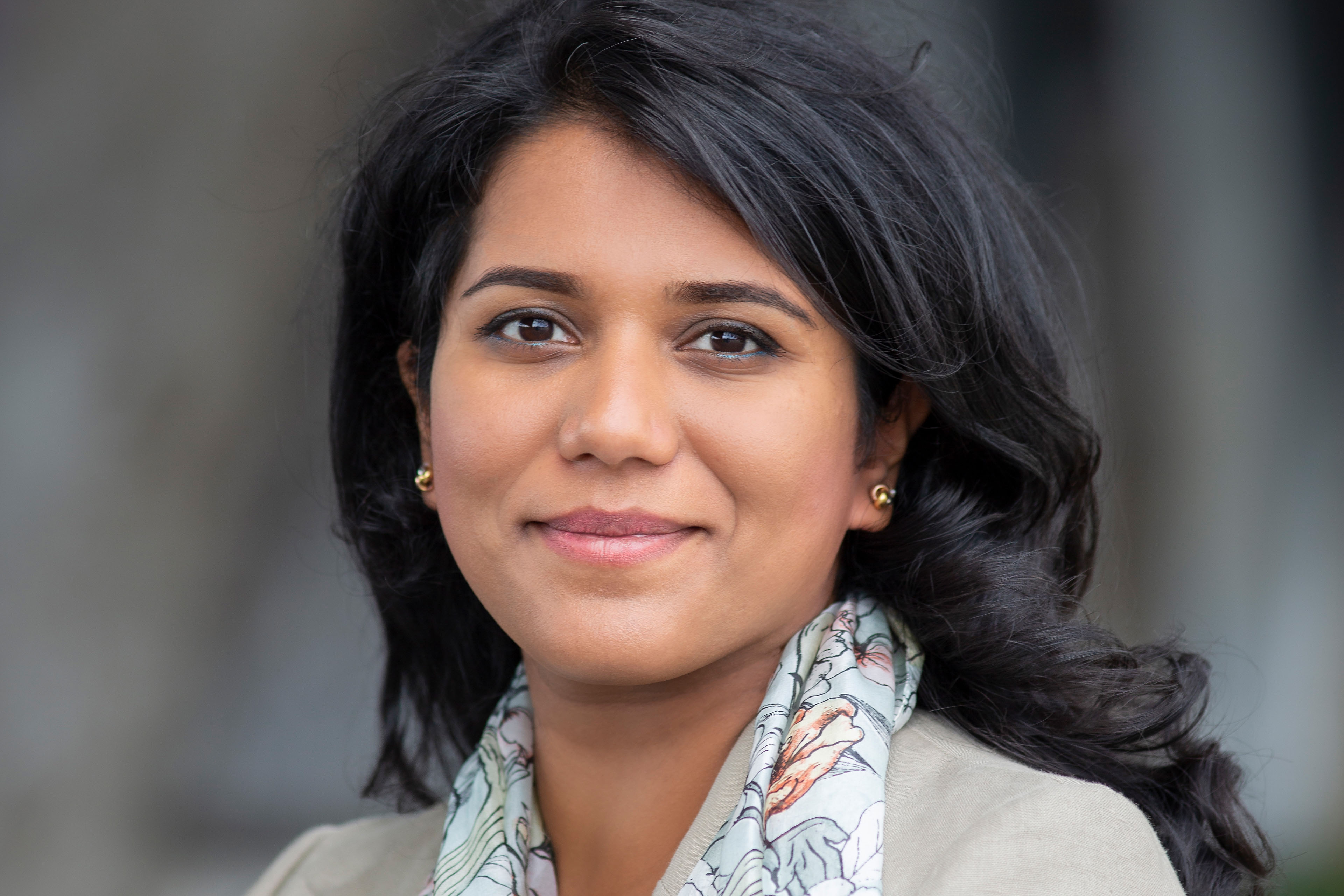
The writers’ association PEN Berlin held its fifth regular general assembly on Saturday at Literaturhaus Berlin – the very place where the association was founded in June 2022. In the scheduled elections, journalist Deniz Yücel was re-elected as spokesperson for a third and, under the association’s statutes, final term. Educational researcher and public intellectual Saba-Nur Cheema (»Muslim-Jewish Supper«, »The Outrage Trap – How We Can Learn to Argue Again«) was newly elected as spokesperson. She succeeds writer and ZDF television presenter Thea Dorn, who took over the position from writer Eva Menasse at the end of 2024. (…) Newly elected to the association’s governing body were writer Jackie Thomae and publisher Kristine Listau (Berlin). MORE
On the Investigation into Michel Houellebecq: Neither Criminal nor »Controversial«
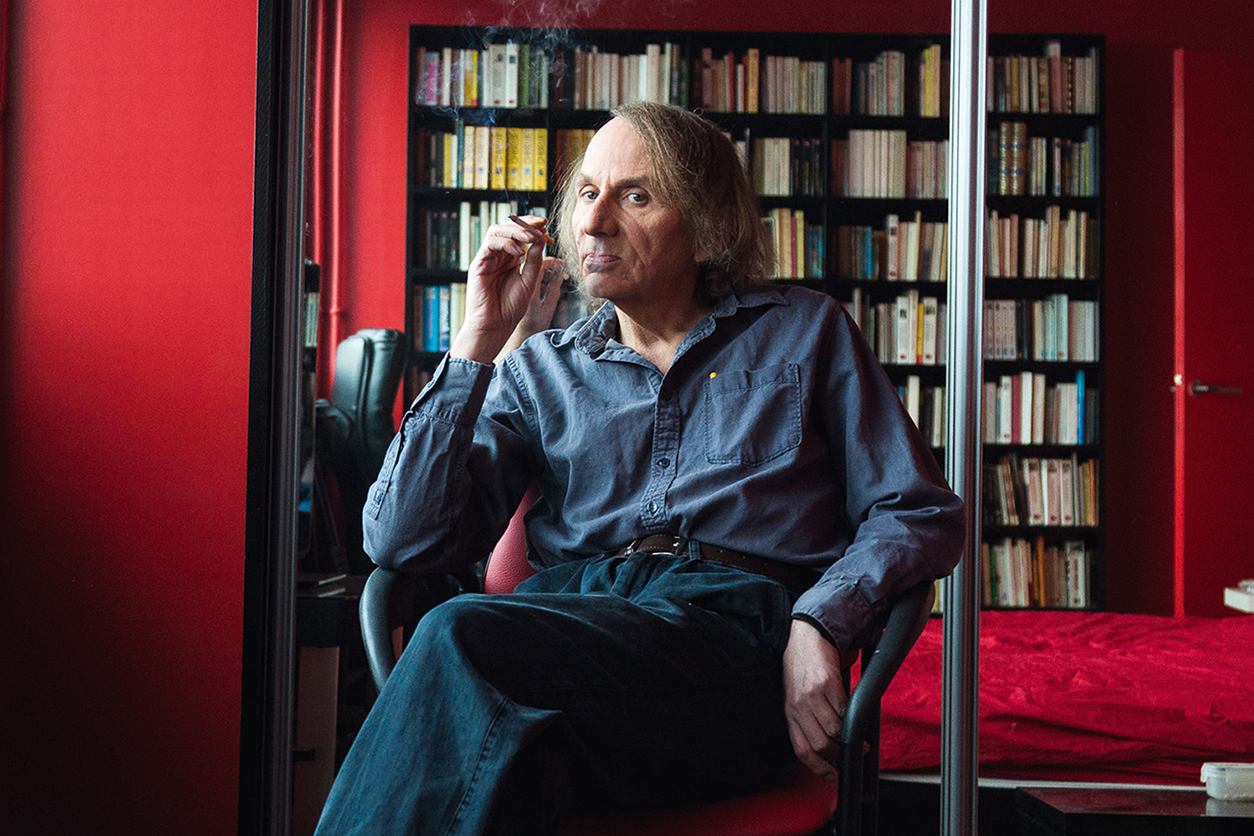
PEN Berlin appeals to the French authorities to recall a piece of wisdom attributed to Charles de Gaulle: his dictum »You don’t arrest Voltaire«, with which the then French president is said to have responded to demands for Jean-Paul Sartre’s arrest over an appeal connected to the Algerian War. And we have a small request for our colleagues in the German media: If you believe Houellebecq’s views deserve criticism, by all means criticise them. But please refrain from using the insinuating label »controversial«. In the case of Michel Houellebecq, and in all other cases as well. MORE
Book Launch at the Deutsches Theater: An Evening for Narges Mohammadi
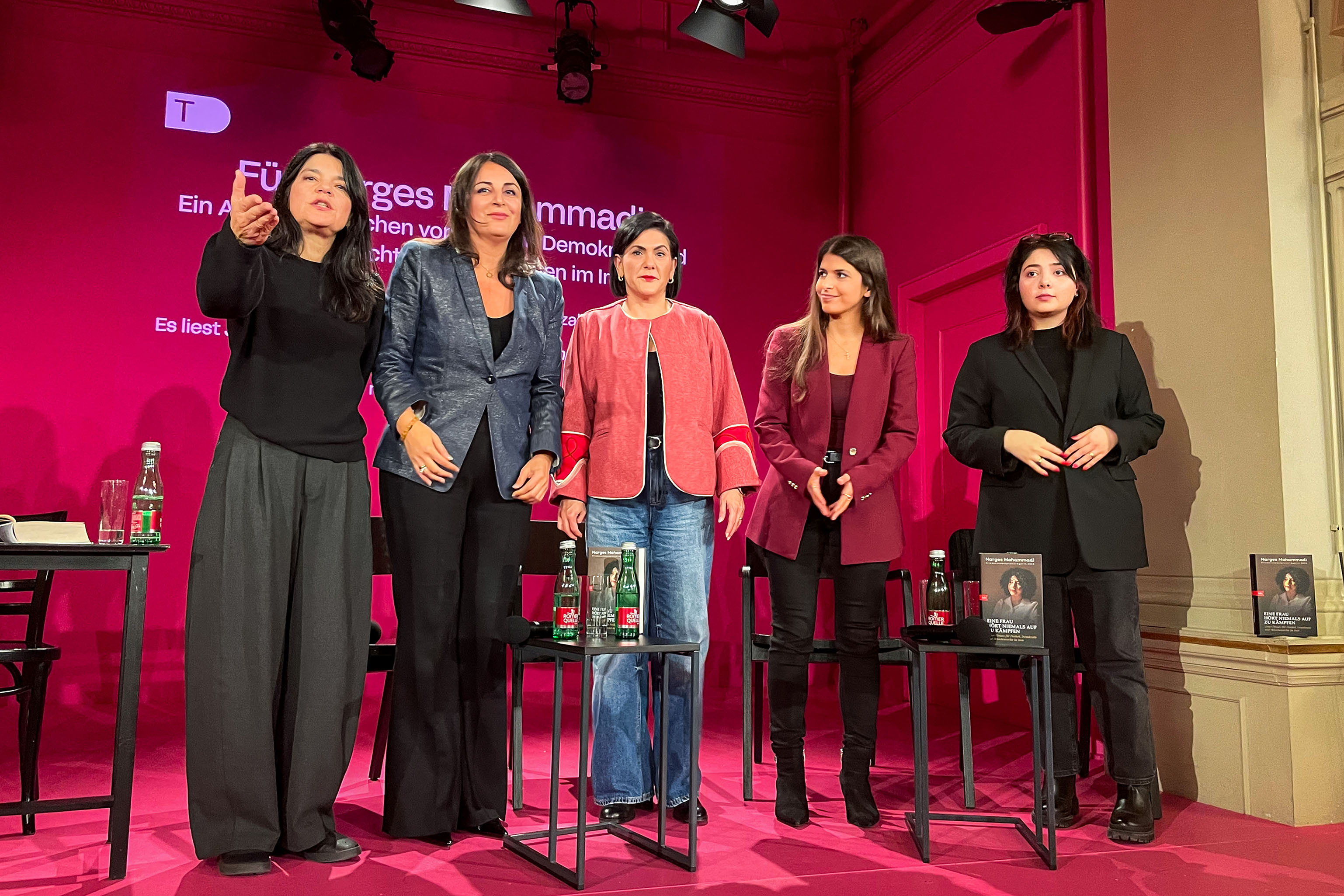
radio 3, report by Christine Deggau, November 10, 2026: »It was an evening to honour Narges Mohammadi, to give her the attention she deserves. At the heart of the event was a reading from her autobiography, but also a look at life in Iran today. (…) The anger of the women on the panel was palpable. It was harrowing to hear what had been done to their mothers and what they themselves had witnessed with their own eyes. And there was this overwhelming fear, or the experience of knowing that the international community does not want to look.« LINK
Deutschlandfunk Kultur, Fazit, interview by Britta Bürger with Jasmin Tabatabai, November 9, 2026: »Narges Mohammadi is a shining example. (…) There is a reason why this regime still considers her incredibly dangerous. You can feel it. Every one of us who took part in this evening felt it.« LINK
Expropriation of Turkish Broadcaster Halk TV: Giant Steps Towards Dictatorship
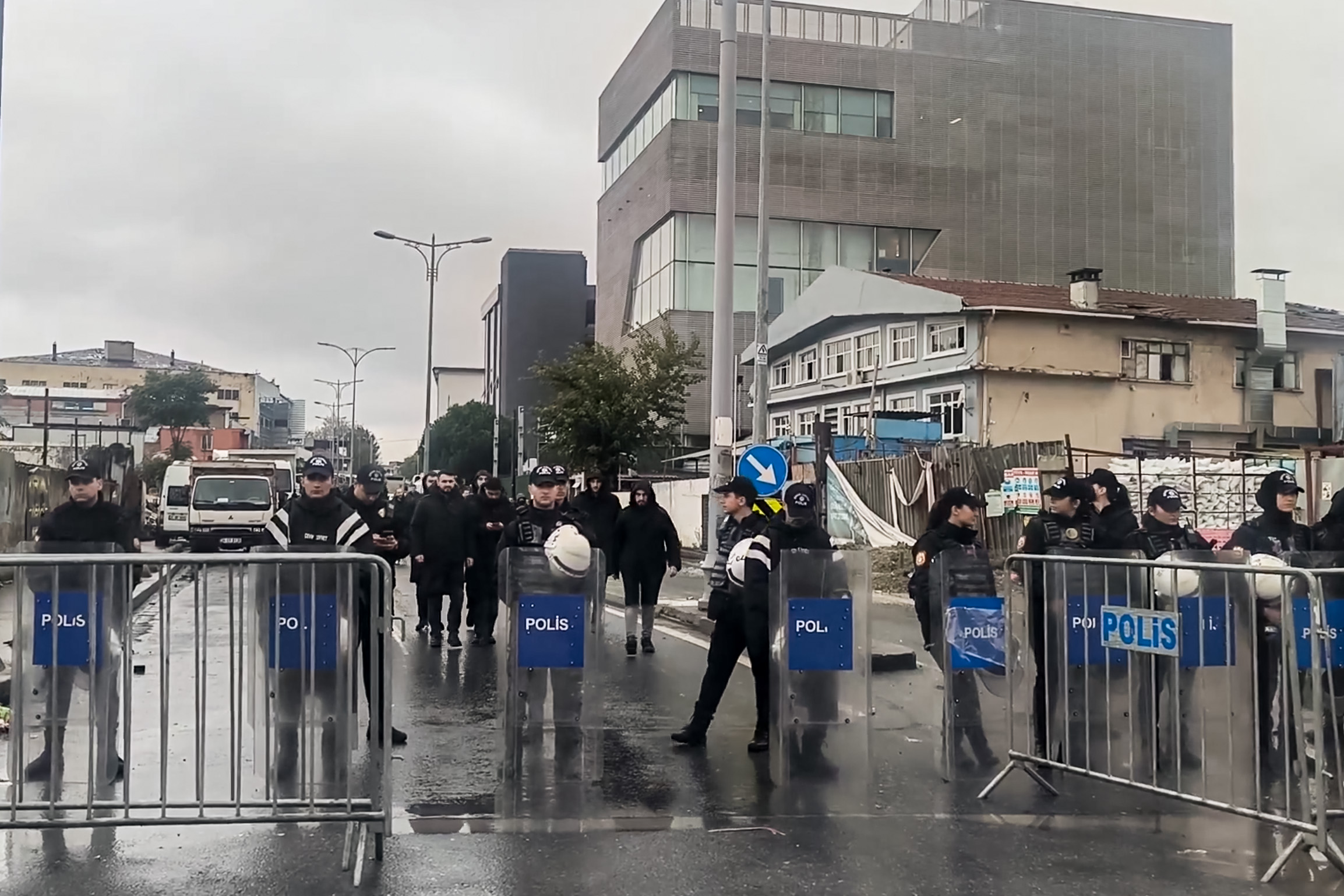
The storming of the news broadcaster Halk TV by Turkish police in Istanbul early on Wednesday morning was far more than a »raid«, as initial German-language news agency reports described it. (…) »With this move, the Erdoğan regime is bringing the country’s most widely watched government-critical broadcaster under its control«, said PEN Berlin spokesperson Deniz Yücel. »This is another devastating blow to what remains of press freedom in Turkey. (…) Turkey is moving rapidly from autocracy towards dictatorship«. (…) PEN Berlin calls on the German federal government to at least pretend that it cares about human rights and fundamental freedoms in Turkey, a NATO member state and nominal candidate for EU membership. READ MORE
PEN Berlin at the Frankfurt Book Fair: Democracy Under Attack
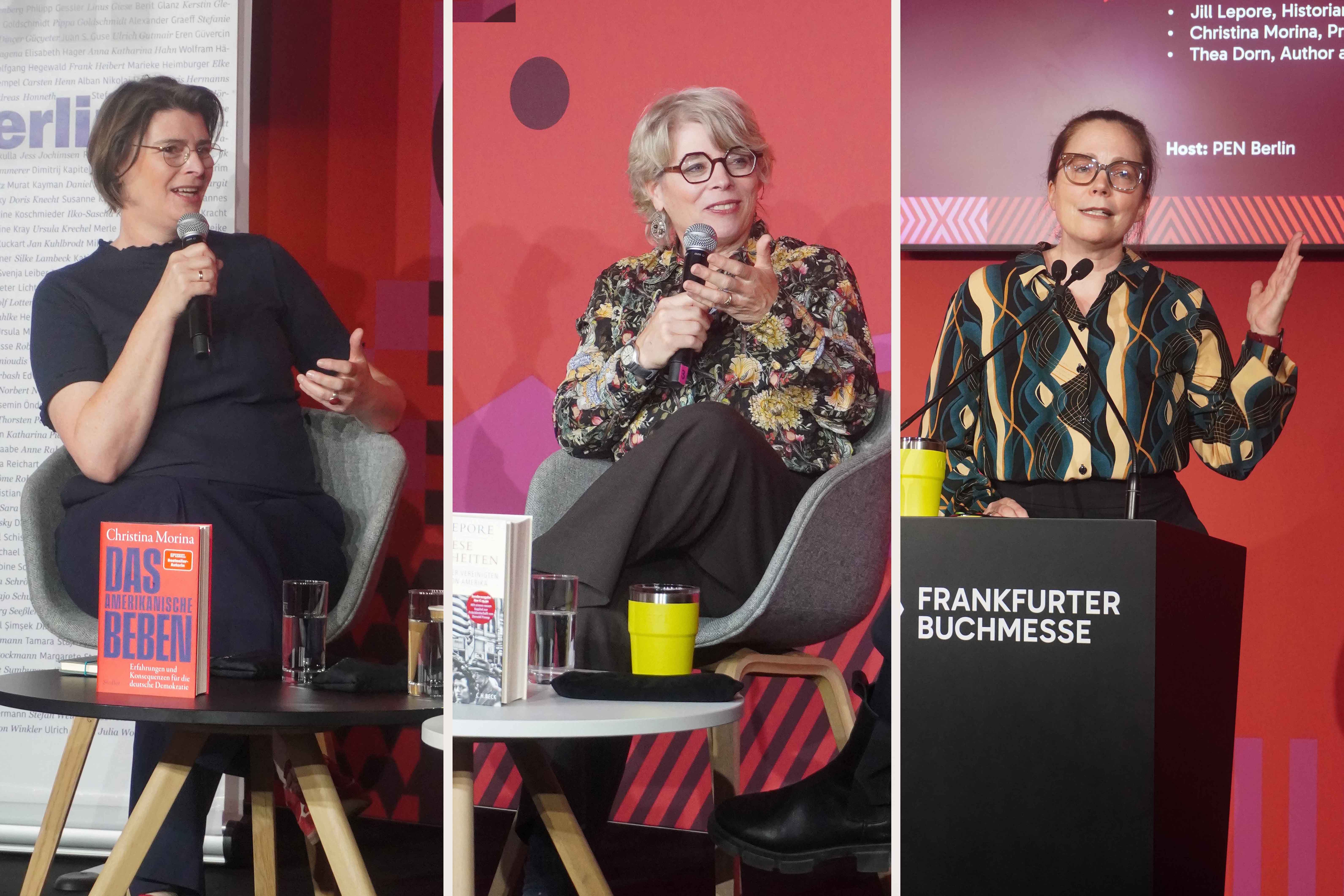
Tagesschau.de, report by Sonja Fouraté, October 7, 2026: »Democracy under attack – this theme ran through many events at the Frankfurt Book Fair. At the opening discussion on the new ›Dialogue Stage‹, historians Christina Morina and Jill Lepore agreed that democracy in Germany and the United States is under severe pressure. One reason, they argued, is widespread public dissatisfaction with the failure of these democracies to deliver on their promises, such as the prospect of a better life. (…) In Germany, Morina observed, there is a certain sense of panic, even paralysis. In the United States, people are still finding ways to engage in debate, protest and hold political leaders accountable. However, Lepore countered, fear of repression is also growing in the United States.« LINK [IN GERMAN]
MORE MEDIA COVERAGE [IN GERMAN]
Conclusion of PEN Berlin’s Series of Talks about Heimat
Heimat Poetry Slam: »Because It’s Still – or Already – Your Country«
September 19, 2026 | Berlin-Mitte, Mokka*Milch | Birdy (spoken-word artist, slam poet) | Paul Bokowski (writer, slam poet) | Wolf Hogekamp (filmmaker, slam poet) | Lucia Lucia (author, slam poet) | Jayrôme Robinet (writer, slam poet, head of the PEN Berlin office) | Daniela Sepehri (author, slam poet) | Poetic Recording: Bas Böttcher (writer, slam poet) | Moderator: Aron Boks (author, slam poet, project manager of PEN Berlin’s Series of Talks about Heimat) | More about the participants
Audio recording (full length)
Deniz Yücel in the ›Süddeutsche Zeitung‹: »Fear on All Sides«
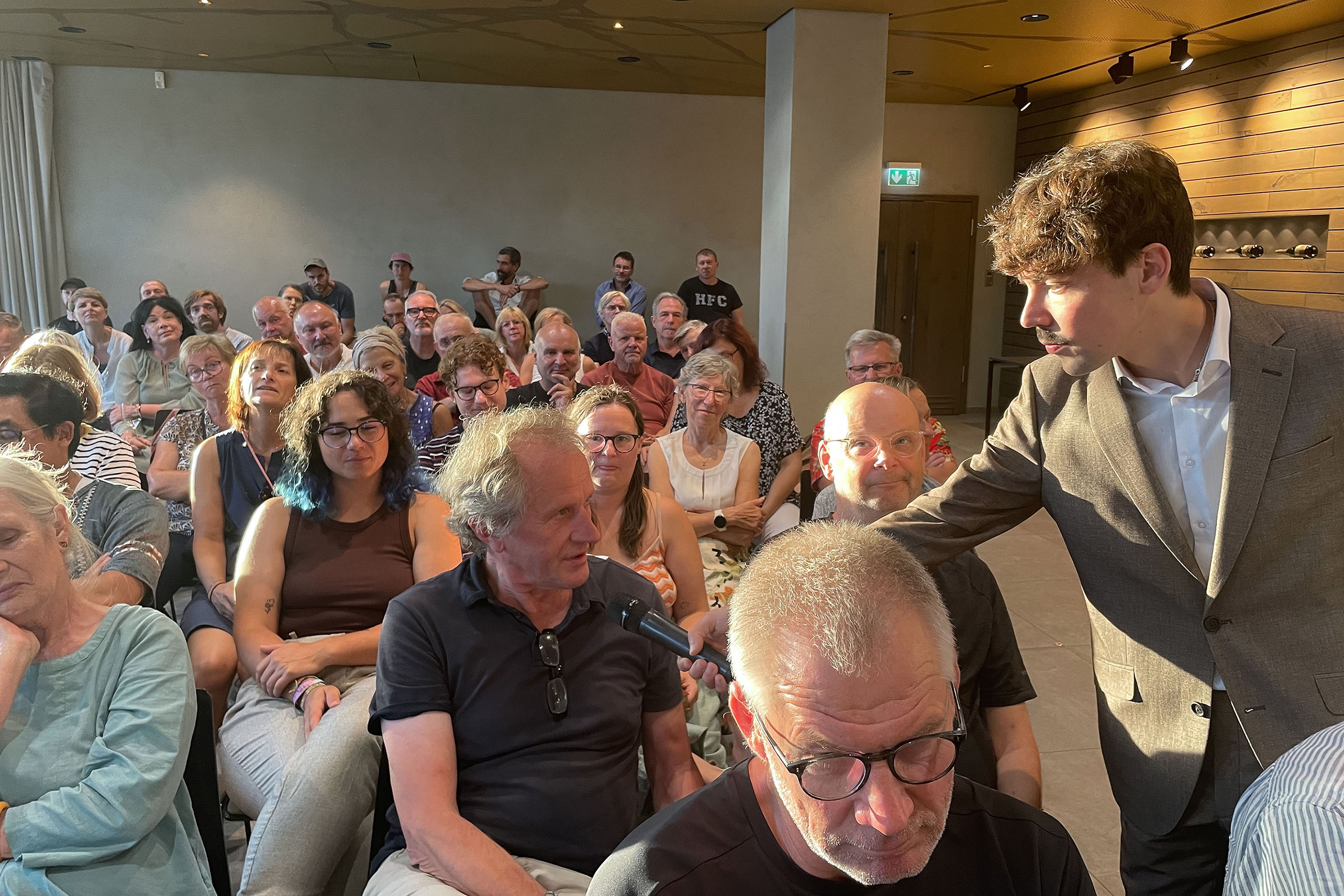
Deniz Yücel on his impressions from PEN Berlin’s Series of Talks about Heimat, Süddeutsche Zeitung, September 15, 2026: »In Saxony-Anhalt and Mecklenburg-Western Pomerania, too, people’s patience is wearing thin. But it is less a matter of outrage over a statement perceived as somehow ›-ist‹ and therefore unacceptable, or over someone supposedly promoting an ›AfD narrative‹ that must immediately be ›corrected‹. It is fear that makes people irritable – fear of the AfD. (…) There was already a hardening of attitudes and polarization two years ago. But back then, especially after controversial discussions, visitors would tell us: ›I never thought a conversation like this was still possible. Now I’ve seen that it is.‹ Yet that sense of ›Yes, it is possible‹ has almost disappeared, at least that is our impression.« LINK
From PEN Berlin’s Series of Talks about Heimat in Berlin
Berlin, Let’s Talk About Heimat: »We’re All Becoming Unhomed In This World«
September 18, 2026 | Berlin-Mitte, Brecht-Haus | Julia Cimafiejeva (writer) | Ece Temelkuran (journalist, writer) | Moderator: Asmus Trautsch (philosopher) | More about the participants
Audio recording (completely in English)
All videos and audio recordings from Berlin
radio 3: »People Get Emotional About This Subject«
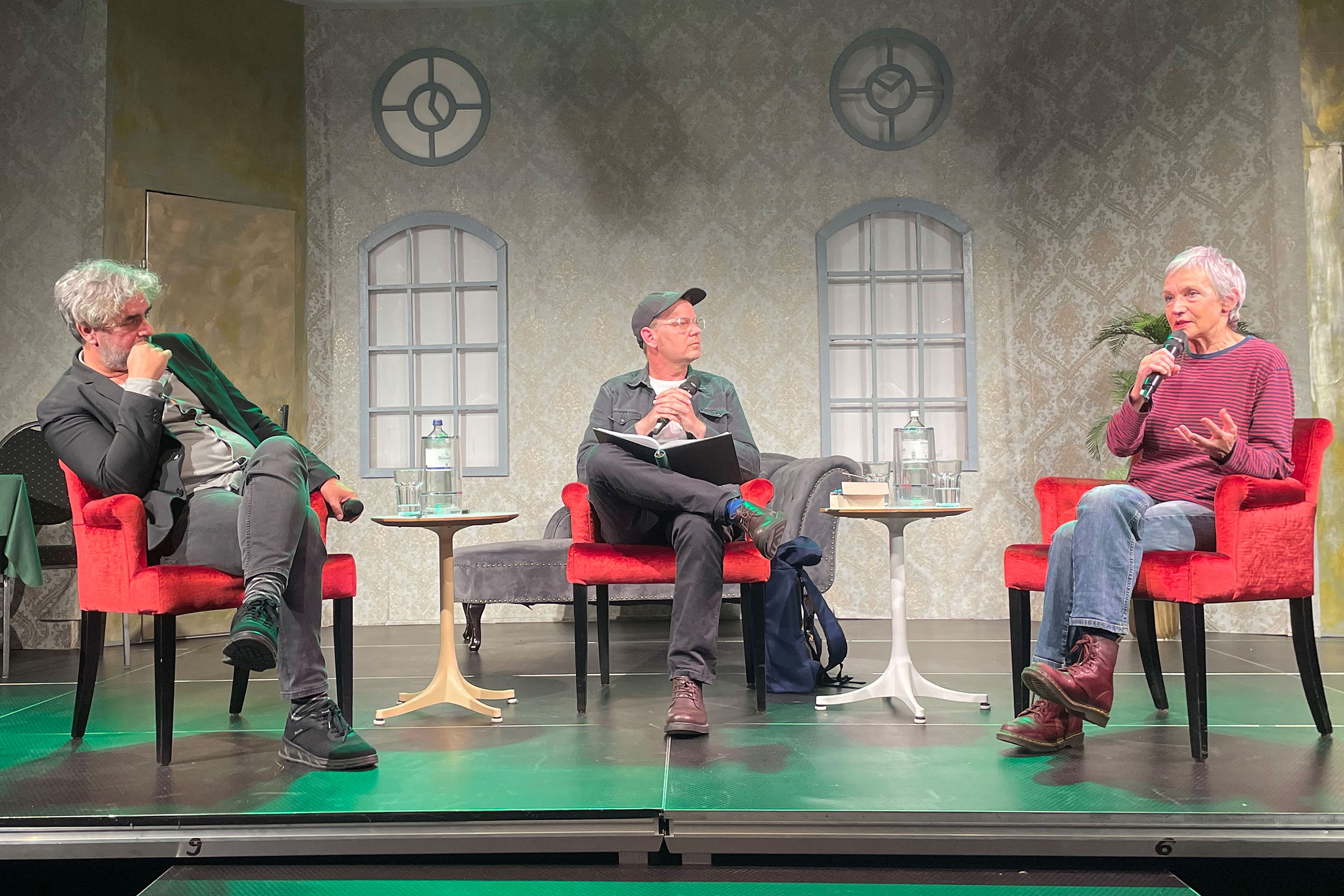
radio 3 [rbb], radio 3 am Morgen, report by Barbara Behrendt from Berlin-Hellersdorf, September 15, 2026: »The beauty of this format is that, when it comes to this subject, everyone is equally an expert. And that is why, at each of these discussions – all of which, incidentally, can be listened to online – the guests are more there to get things started, so that the audience can then engage in conversation with one another. (…) And you notice how emotional people become about this subject. There were even tears when people talked about Heimat, although it took a while before they brought up more controversial issues. (…) And the panel did not try to refute the contributions from the audience or really engage in debate, but instead responded with their own assessments.« LINK and AUDIO
Attack on Queer Life in Turkey – PEN Berlin Member Barbaros Altuğ Among Those Silenced
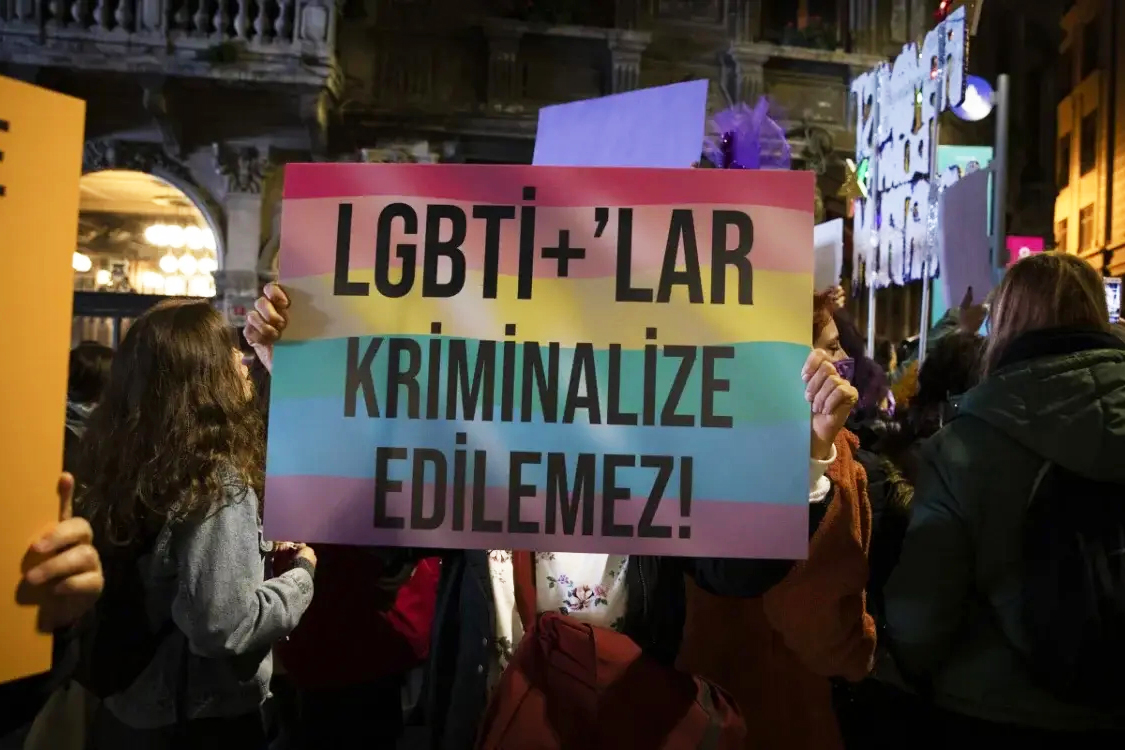
As part of the ongoing raids targeting the LGBTQ community in Turkey, the authorities have also had the social media accounts of Berlin-based writer and PEN Berlin member Barbaros Altuğ blocked. More than 160 people have been arrested and over 400 social media accounts blocked. »Now we are facing not just an attack on opposition activists, but an attack on queer life as a whole in Turkey. Yet nobody seems to care«, says PEN Berlin spokesperson Deniz Yücel. PEN Berlin stands in solidarity with its member Barbaros Altuğ and calls for the access restriction to be lifted and for an end to the political persecution of the LGBTQ community. MORE
From PEN Berlin’s Series of Talks about Heimat in Mecklenburg-Western Pomerania
Schwerin, Let’s Talk about Heimat: »The Closer I Get to People, the Less I Can Hate Them«
September 13, 2026 | Schwerin, Mecklenburgisches Staatstheater, M-Halle | Gabriel Kords (journalist) | Monchi (singer of Feine Sahne Fischfilet, author) | Moderator: Silke Hasselmann (journalist) | More about the participants
Audio recording (full length)
All videos and audio recordings from Mecklenburg-Western Pomerania
Nordkurier: »An Open Conversation About What Holds Society Together«
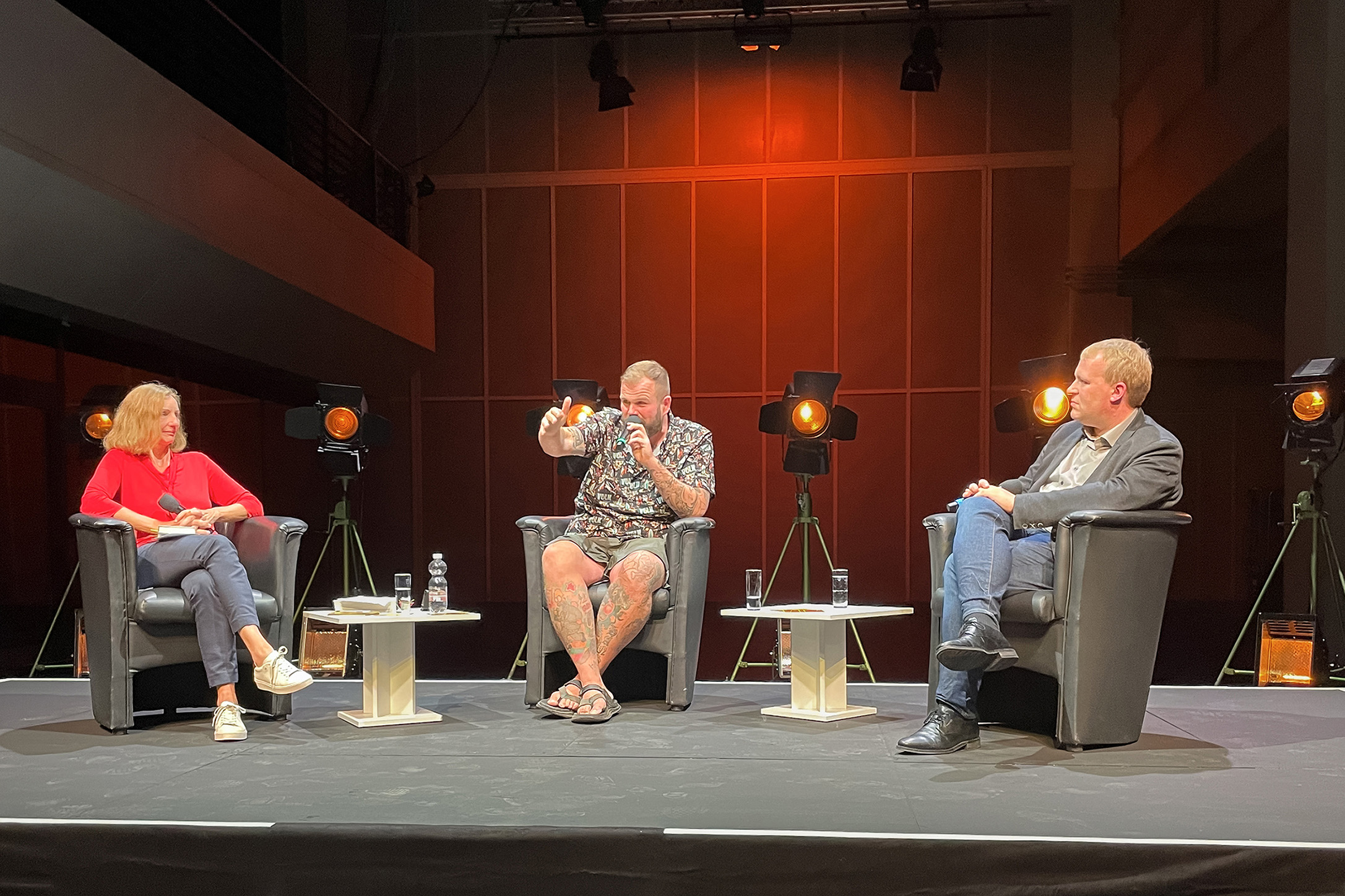
Nordkurier, report by Mirko Hertrich from Schwerin, September 14, 2026: »The aim of the series and of this evening is to have an open conversation about what holds society together and what threatens to tear it apart. Singer Monchi experiences this tension in his everyday life. After the birth of his daughter, he moved from Rostock back to his hometown of Jarmen, where his band, once mentioned in Mecklenburg-Western Pomerania’s domestic intelligence report, organizes the ›Wasted in Jarmen‹ festival. Monchi, whose latest book, ›Beyond the Firewall: On My Life in the East German Provinces‹, is a bestseller, sees many things in a more nuanced way from the perspective of a small town with fewer than 3,000 inhabitants, and favours dialogue over confrontation. ›Sometimes it pisses me off that I no longer see everything in black and white. It used to be easier for me to tar all AfD supporters with the same brush.‹« LINK and PDF
Iran Evening at the ilb: Will Freedom Prevail in the End?
Deniz Yücel’s Speech on Iran: Solidarity, Not Pity
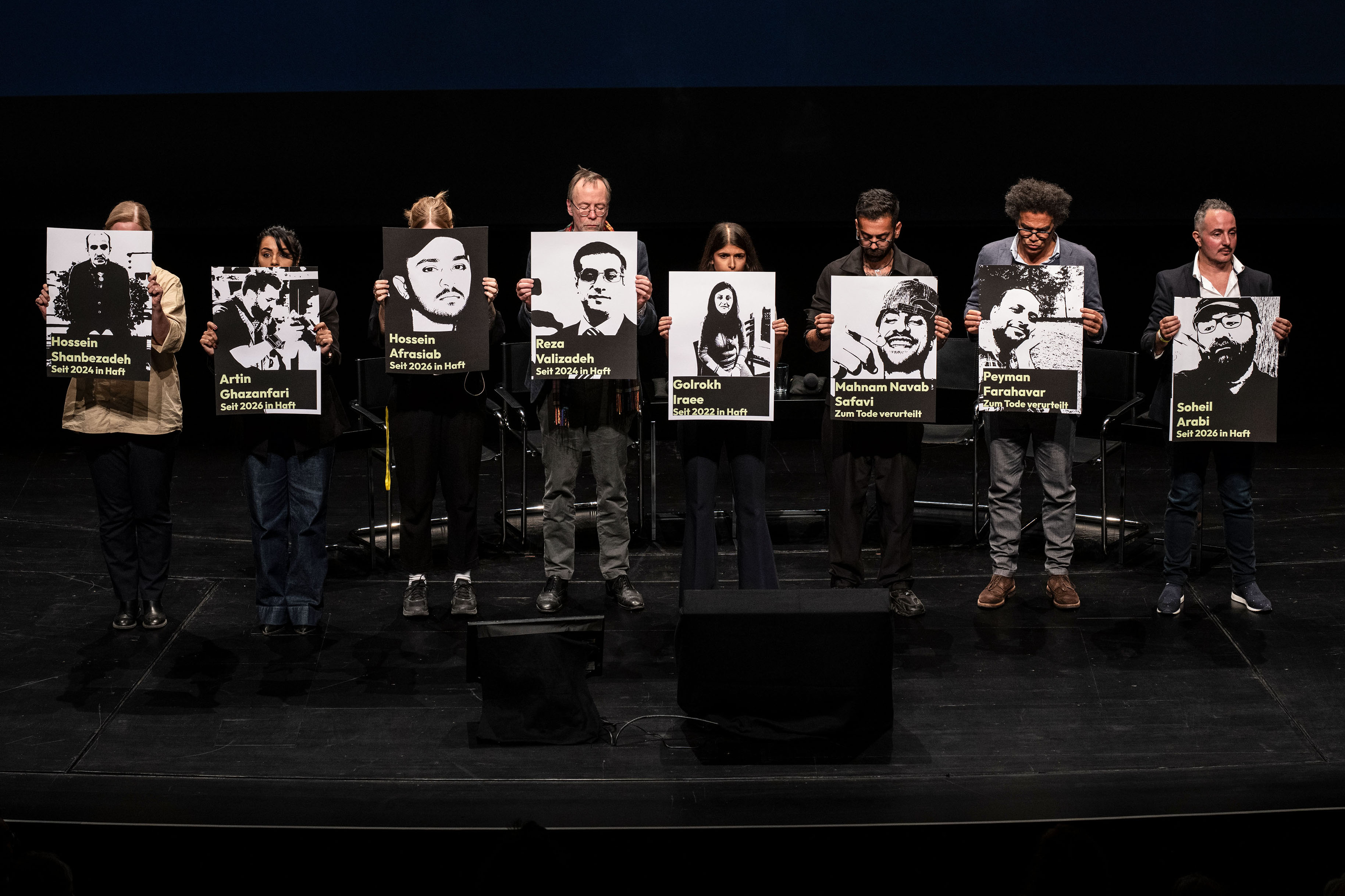
Opening speech at the event »Will Freedom Prevail?« as part of the International Literature Festival Berlin, September 11, 2026: »The mullahs have failed. (…) They wanted to create a new human being, ›Islamic‹ according to their own ideas, and permanently reshape the thoughts, feelings and desires of their subjects in an explicitly anti-Western, anti-individualist and anti-Enlightenment direction. They have not succeeded. (…) Clearly, they no longer maintain their rule over large parts of the population through consent, but through sheer violence. On the other hand, Iranians – and especially Iranian women – deserve our utmost recognition and admiration for the courage they have shown for decades, for their perseverance and their fighting spirit. Iranian women and men are oppressed, but they are not weak. They need solidarity, not pity.« MORE
3sat Kulturzeit: »Attention Can Save Lives«
3sat Kulturzeit, report by Jonathan Boese, September 14, 2026: »The fact that his imprisonments were also reported in Western media saved him, says Behrad Alikonari. That is another reason why PEN Berlin is drawing attention this evening to writers who have been imprisoned or already executed. (…) For many Iranians in exile here in Germany, this evening becomes a moment of community, united by the shared cry of Woman, Life, Freedom. That is also true for Shida Bazyar: ›I feel a kind of relief that I am not alone with this issue and that it is receiving attention. Because I think many people have forgotten Iran, or forgotten the people there.‹ And so this evening serves as a reminder not to look away from Iran. For Behrad Alikonari knows from personal experience: attention can save lives.«
From PEN Berlin’s Series of Talks about Heimat in Saxony-Anhalt
Burg, Let’s Talk about Heimat: »Many Will Not Be Better Off Than Their Parents«
August 26, 2026 | Burg, Evangelisches Gemeindehaus, in cooperation with CAT-Stairs − Das Kabarett | Paula Fürstenberg (writer) | Ahmad Mansour (psychologist, author) | Moderator: Thomas Pusch (journalist) | More about the participants
Audio recording (full length)
All videos and audio recordings from Saxony-Anhalt
ARD programme ttt: »I Curse My Heimat«
ARD, titel thesen temperamente, report by Rayk Wieland, August 30, 2026: »[Deniz Yücel:] ›If more than 40 percent of the people in this country have the impression that they cannot freely express their opinions on political matters in Germany, then democracy has a problem.‹ (…) [Clemens Meyer:] ›Sometimes I curse my Heimat too, and say, good God in heaven, what kind of people are these? And of course I count myself among them. Naturally, in your own Heimat you ask yourself all the more how things could have come to this.‹ [Monika Maron:] ›I think that for a very long time, the East existed in the eyes of the West only as Stasi, Nazis or idiots. I remember there was once an election, the DVU election. I wrote about it: For the first time, the West is taking the East seriously.‹« LINK and VIDEO
DLF Kultur from Bitterfeld-Wolfen: »There Was No Failure to Communicate«
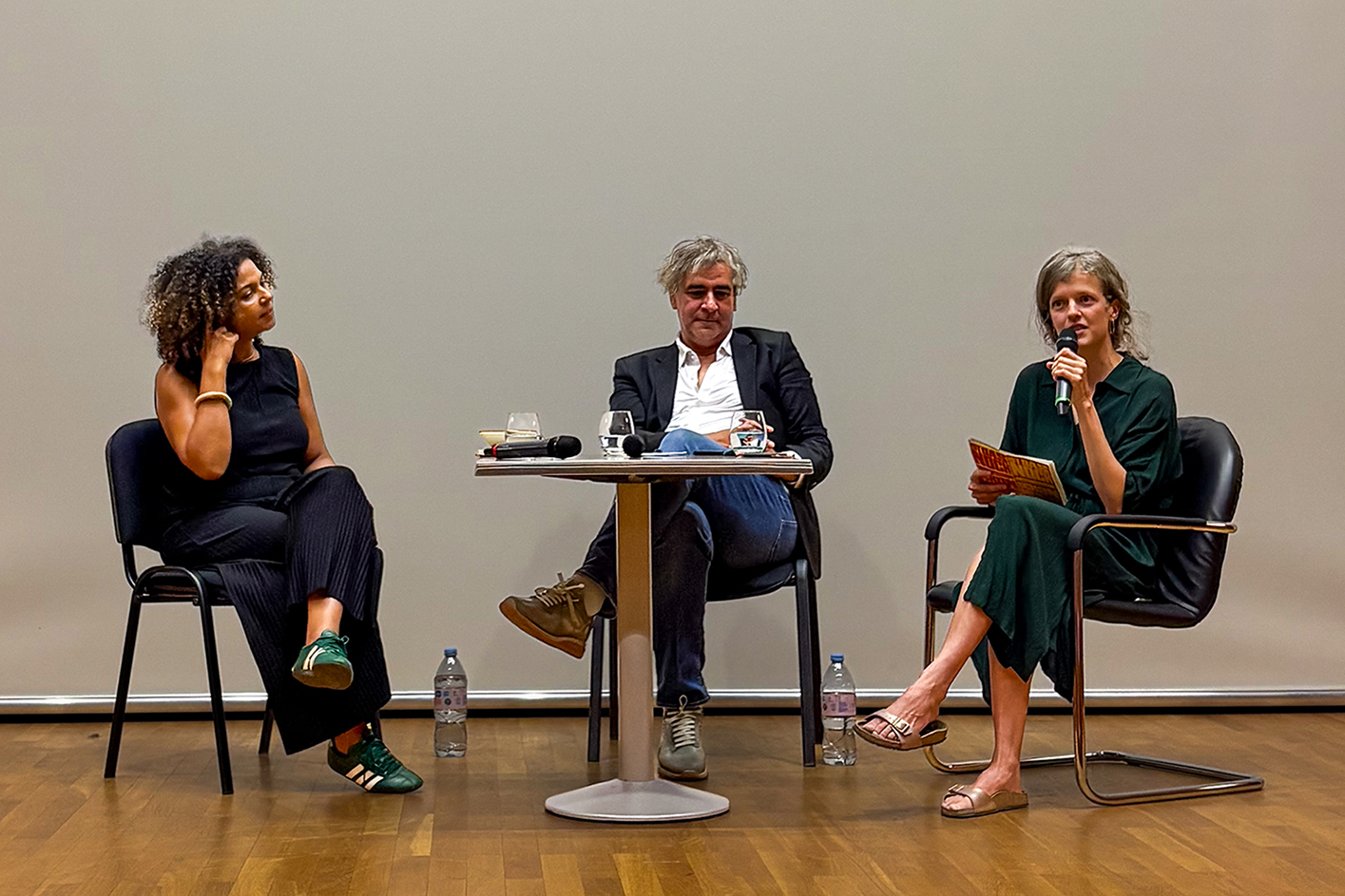
DLF Kultur, Fazit, report by Ulrich Wittstock on the PEN Berlin event about Heimat in Bitterfeld-Wolfen, August 10, 2026: »It was not at all as though someone had come from Berlin to explain to the people here in Bitterfeld-Wolfen how they should properly understand the concept of Heimat. Quite the opposite. I think that was also the biggest surprise for many people: that they were encouraged to move beyond their usual patterns of thought, to broaden their own horizons a little. And there were AfD party members here too, who expressed their views. (…) And that is something people here in the East complain about time and again: this inability to talk to one another, the fact that people no longer discuss politics with family or friends, but remain silent and say nothing for fear of being contradicted. That was not the case today.« LINK and AUDIO
radio 3, Radio 3 am Morgen, interview by Anja Herzog with Jackie Thomae, August 11, 2026: »There is nothing didactic about it, and it is certainly not ideological. Rather, the idea is that people meeting in person and talking to one another might present things in a completely different light, or even help defuse situations that have got completely out of hand online, including in terms of tone. And when people talk to one another in a friendly way, they realize how many doors that opens and how much common ground it creates. And if that is communicated well, it makes for a really interesting evening for the people there.« LINK and AUDIO
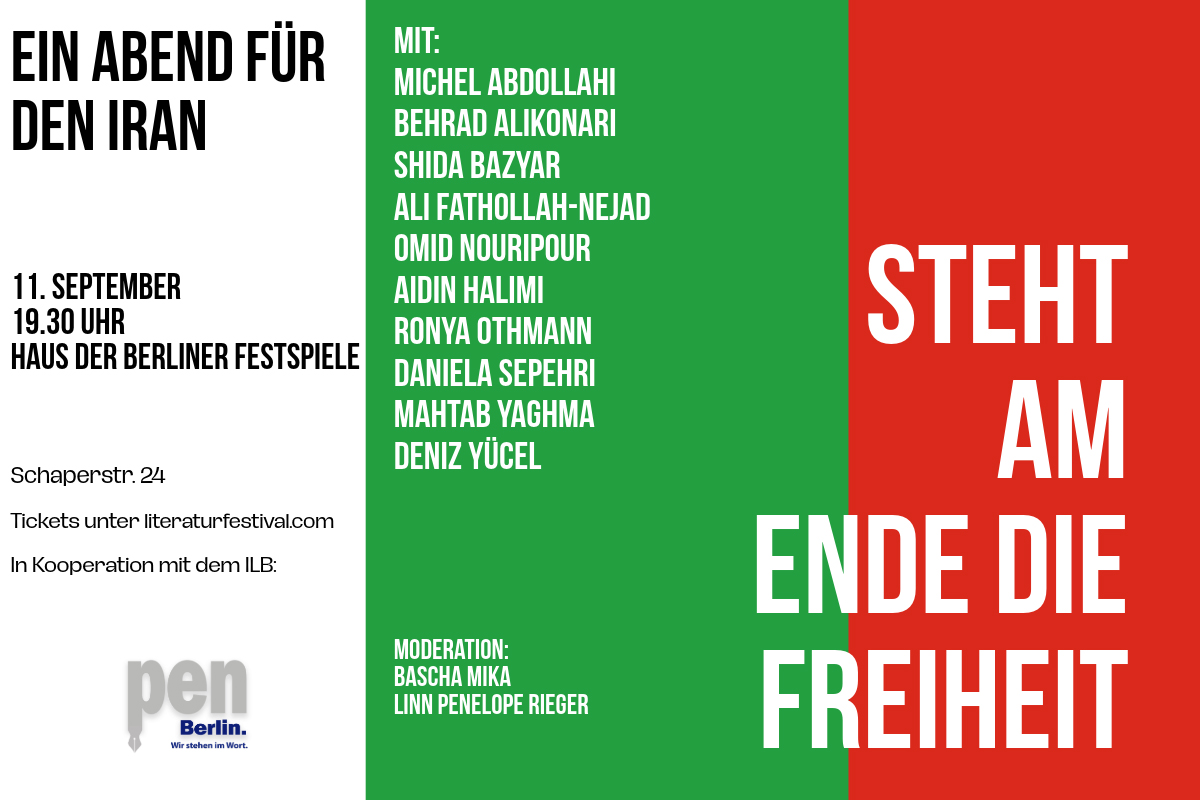
The 21-year-old Iranian rapper Erfan Mirzaei was killed by the Iranian state on Sunday. His fate is emblematic of the dramatic escalation of repression in the Islamic Republic of Iran. On 11 September, PEN Berlin, together with the International Literature Festival Berlin, invites you to »Will Freedom Prevail – An Evening for Iran« at the Haus der Berliner Festspiele. Participants include Shida Bazyar, Ronya Othmann, Aidin Halimi, Michel Abdollahi, Daniela Sepehri, Omid Nouripour, Ali Fathollah-Nejad and Mahtab Yaghma. Iranian rapper Behrad Alikonari, who was arrested and severely tortured during the 2022 »Woman Life Freedom« protests, will provide the music for the evening. MORE
Iran: Death sentence against rapper Mahnam Navab Safavi
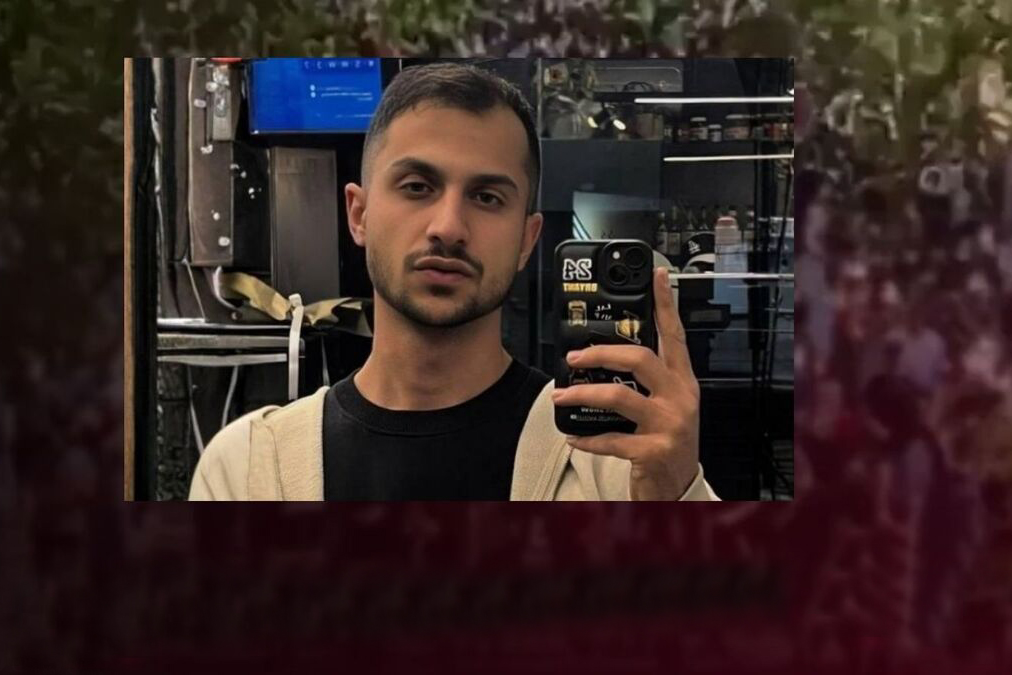
The death sentence against 22-year-old rapper Mahnam Navab Safavi is yet another shocking demonstration of the brutality of the Islamic Republic of Iran. Safavi was arrested in Isfahan on January 10, 2026, during the nationwide protests. (…) »While the German government remains silent on the human rights situation in Iran and maintains tunnel vision focused on the Strait of Hormuz, the Iranian regime is dramatically intensifying its repression«, said Daniela Sepehri, a member of the PEN Berlin board. »Since the beginning of the year, more than 900 people have been executed, including numerous political prisoners and protesters. More and more death sentences are being handed down.« MORE
Arrest of Deniz Göktaş in Turkey: Satire Is Not a Crime
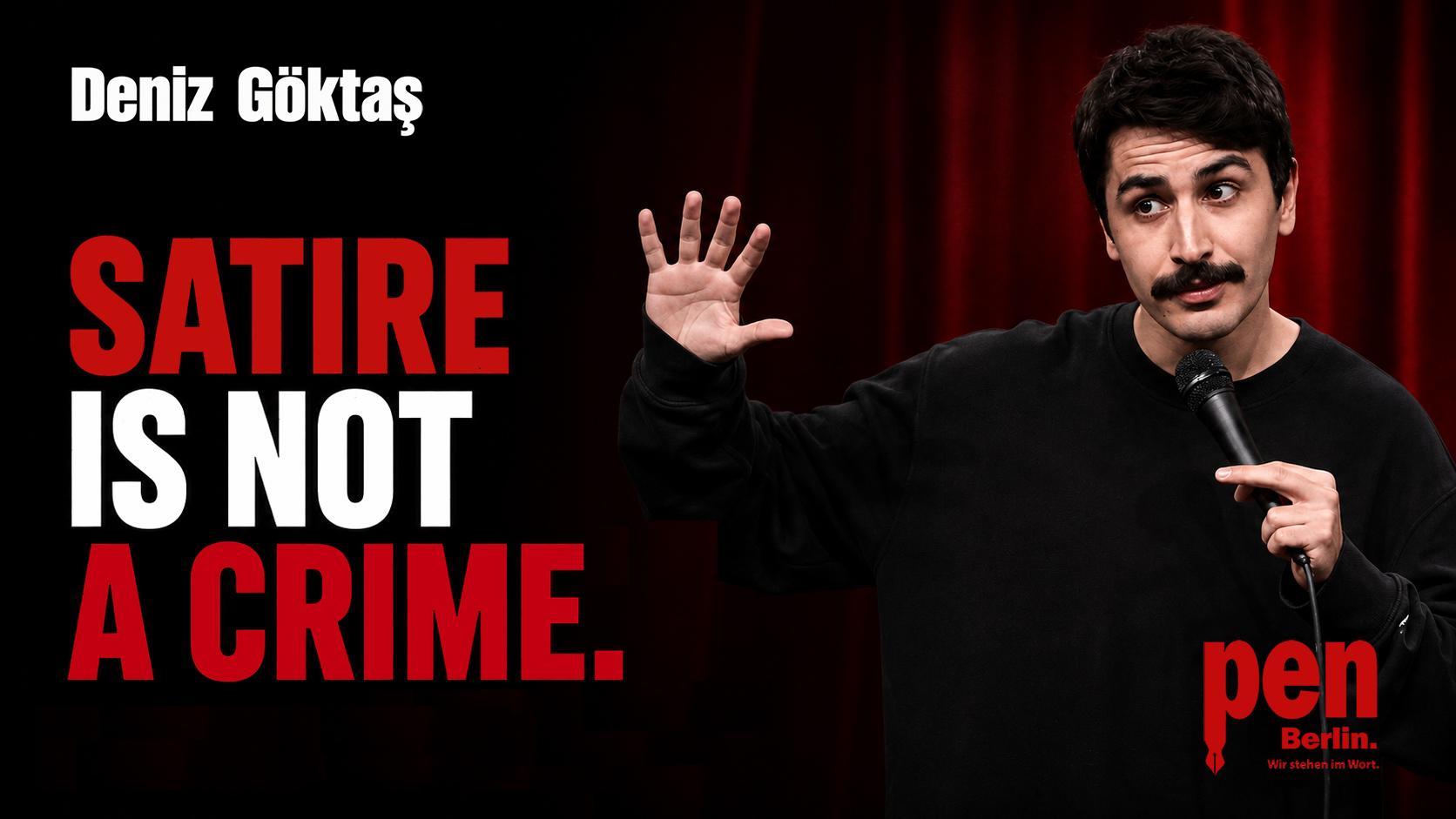
PEN Berlin protests the arrest of Turkish comedian Deniz Göktaş. (…) In the coming days, German Chancellor Friedrich Merz is expected to travel to Ankara for the NATO summit. Referring to the planned visit, Deniz Yücel said: »U.S. President Donald Trump has announced that he will attend the summit in person only as a favour to Erdoğan. We would very much welcome it if the German Chancellor were to cancel his personal participation because of this prison sentence alone. We do not expect that to happen. Perhaps the Chancellor – who has no objection to criminal consequences in Germany for remarks directed at him such as ›Lying Fritz‹ or ›Pinocchio‹ – will use the opportunity to exchange views with Trump and Erdoğan on how to suppress criticism and satire directed at those in power.« MORE
New in »manuskripte«: Marko Vidojković
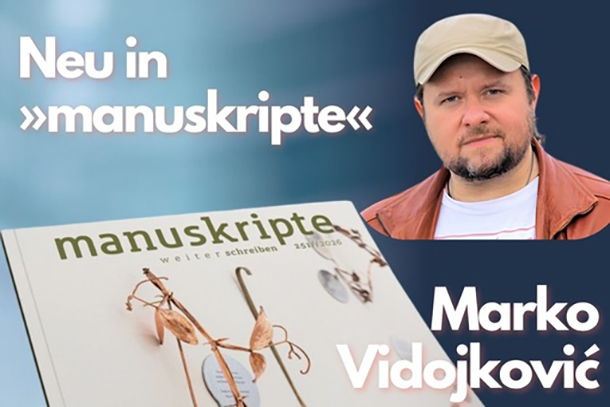
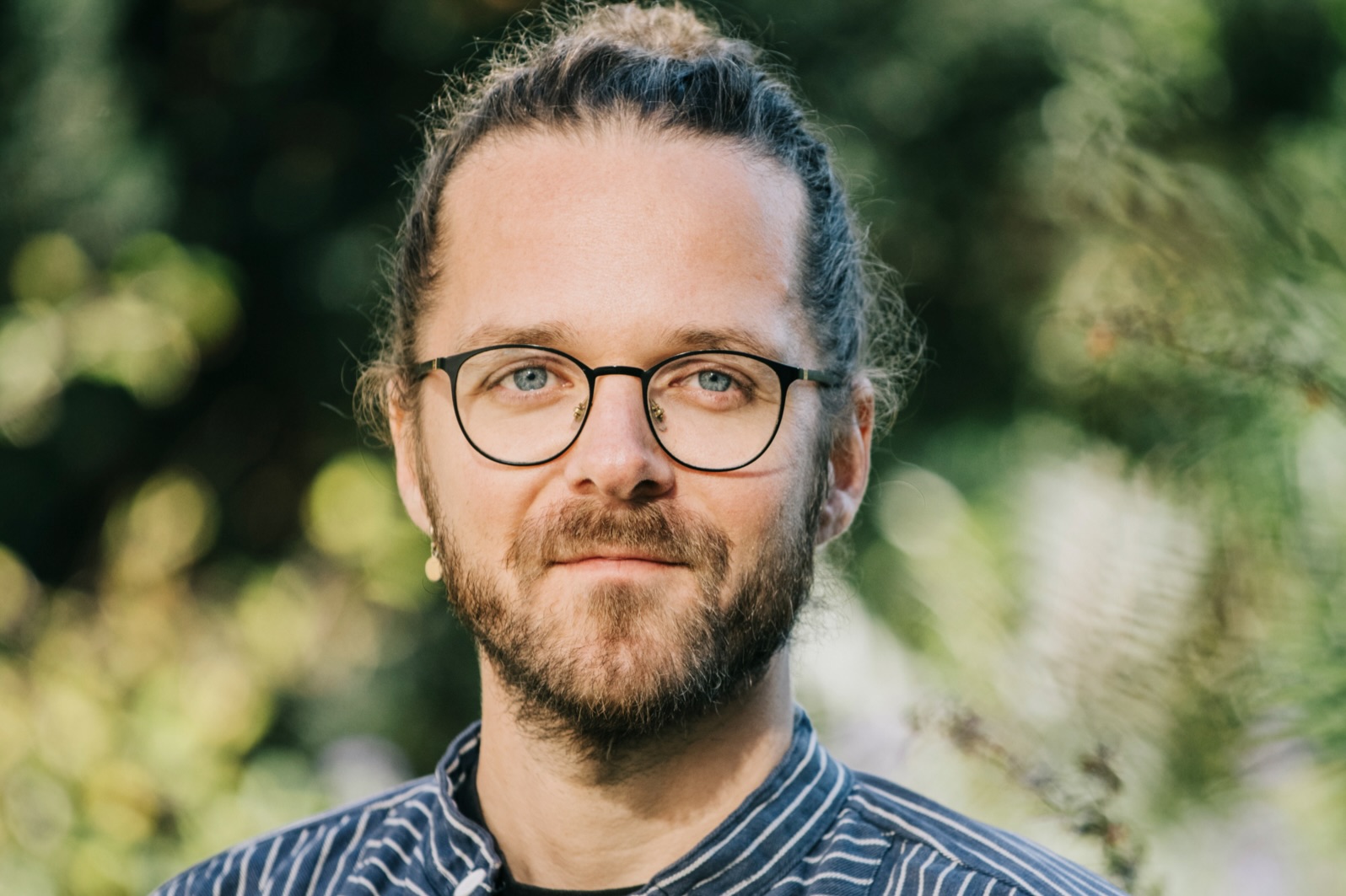
»Better an urban legend than a People’s Chancellor«: Serbian writer and PEN Berlin fellow Marko Vidojković presents an excerpt from his novel Claws (Kandže) in the new issue of the Graz-based literary magazine manuskripte. The German translation was done by Elvira Veselinović. For many years, Vidojković has been one of the most prominent opposition voices in contemporary Serbian literature. His novels and columns address authoritarianism, nationalism, corruption and political violence. Due to severe threats, he is currently living in exile and is supported by PEN Berlin. Founded in Graz in 1960, manuskripte is considered one of the most important German-language literary magazines of the present day. The current dossier is already the third collaboration between PEN Berlin and manuskripte. MORE
Disinvitation of Arne Semsrott: AfD Cultural Policy Driven by Fear of the AfD
ARD, titel thesen temperamente, report by Petra Böhm, June 7, 2026: »But the elephant in the room – rather than the rhinoceros – remains. Because any law, any statement intended to protect culture becomes vulnerable to criticism if it is directed solely against right-wing populism. [Deniz Yücel:] ›We believe that freedom of expression, freedom of the press and artistic freedom are very broad in scope and must apply even when it hurts, when it is politically inconvenient. Because that is what matters: defending freedom of expression and artistic freedom when it is comfortable to do so is easy. And unfortunately, a great many institutions and politicians – not just those from the AfD – fail to defend these freedoms when it is not.‹« LINK and VIDEO
Thea Dorn on rbb: »Extreme Sensitivity and a Strong Taste for Provocation«

radio 3 [rbb], Der Zweite Gedanke, discussion hosted by Natascha Freundel with Christoph Möllers and Thea Dorn, May 9, 2026: »We are seeing a combination of extreme sensitivity and a strong urge to really let rip and make provocative statements. This creates a very unfortunate dynamic that keeps escalating. That is why I would be glad if we, as citizens – this has nothing to do with the state – were aware that both tendencies can become a problem for a democratic society: the attitude of ›I’m going to push every boundary there is‹, but also that of ›I get outraged by everything that happens and demand that the state ban it‹. In my view, both are problematic.« LINK and AUDIO
From PEN Berlin’s Series of Talks about Heimat: Special Eastern Germany Edition
Greiz, Let’s Talk about Heimat: »We Here Have Said Before: ›This Is No Longer My Country‹«
April 29 | Greiz | 10aRium | Elisabeth Kaiser (Federal Government Commissioner for Eastern Germany) | Romina Nikolić (writer); Moderator: Michael Helbing (journalist) | More about the participants
Audio recording (full length)
Deniz Yücel on MDR: »In the East, People Are More Inclined to Exchange Arguments«

MDR Kultur, interview by Annett Mautner with Deniz Yücel, May 5, 2026: »By and large, I have the impression that people in the East are more inclined to exchange arguments rather than expressions of outrage. That tendency to say, ›This or that is obviously -ist,‹ and thereby declare an opinion illegitimate or unacceptable, is less pronounced in the East. Here, people are more likely to respond: ›But what you’re saying simply isn’t true.‹ I think that provides a completely different basis for discussion. It is about the strength of the better argument. That seems to me to be more prevalent in the East, and I find that very appealing. In the West, people are much quicker to express outrage and to declare certain things unacceptable or illegitimate.« LINK and AUDIO
PEN Berlin is growing: new members: Christian Baron, Barbara Bleisch, and Oliver Reese
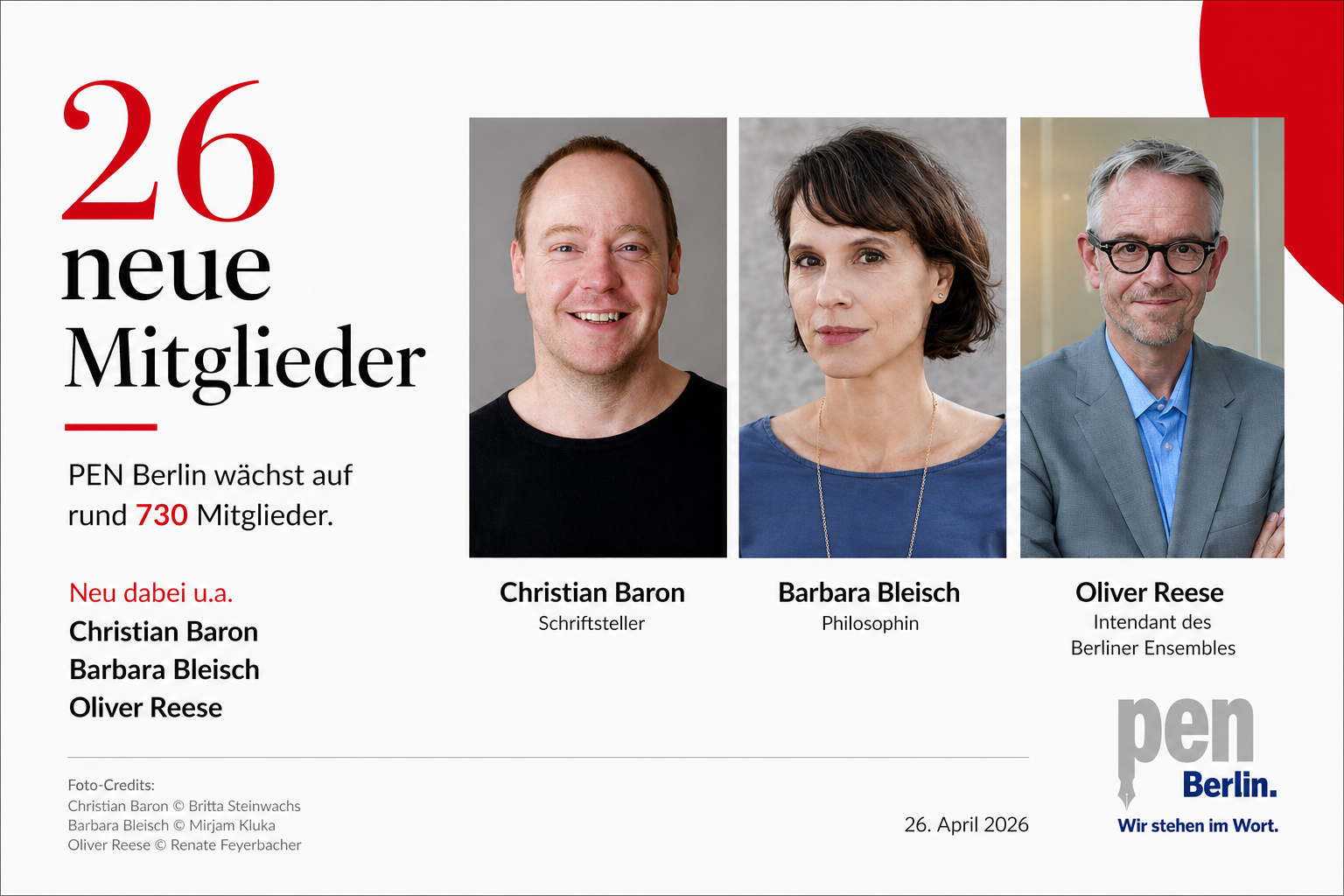
The PEN Berlin writers’ association held an extraordinary general Assembly on Sunday, 26 April 2026, and admitted 26 new members. Among those elected are the Islamic studies scholar Katajun Amirpur, the writer Christian Baron, the philosopher Barbara Bleisch, the journalist Kai Diekmann, the author and psychologist Stephan Grünewald, poetry slammer Aidin Halimi, sociologist Nils Kumkar, writer Lana Lux, political scientist Philip Manow, poet and psycho-oncologist Sudabeh Mohafez, writer Veronika Peters, artistic director of the Berliner Ensemble Oliver Reese, and writer Uwe Wittstock. MORE
Literature: For the Freedom of Criticism and Reply
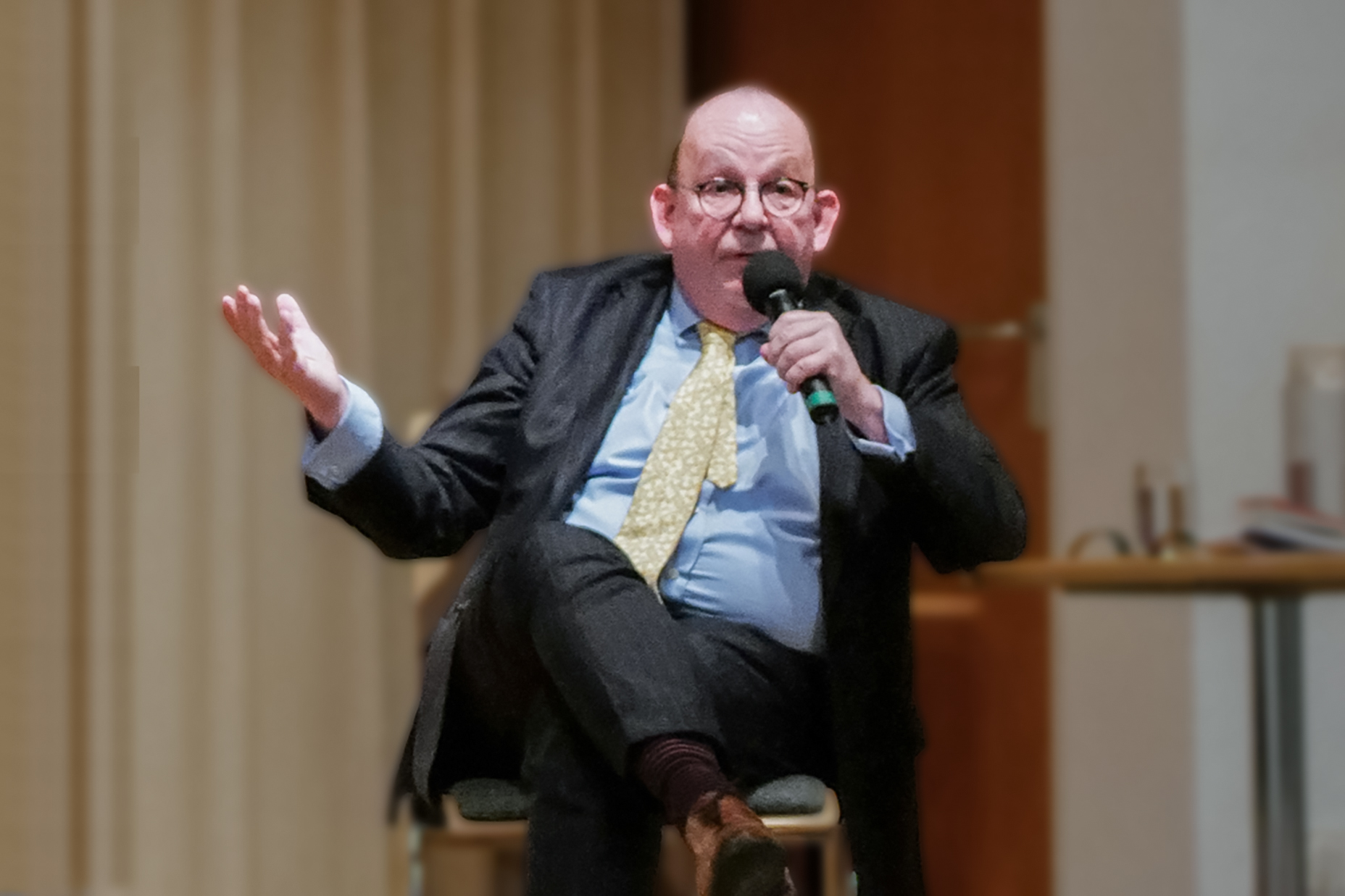
Press release on the attacks against Denis Scheck: When authors challenge the verdicts and judgments of literary criticism, this is entirely within their rights. »There is, however, a vast difference between participating in a debate − also a debate about literary criticism and sexism − on the basis of the stronger argument, and demanding that the ›bad man‹ finally be shown the door«, said PEN Berlin spokesperson Deniz Yücel. »We therefore very much hope that those responsible at ARD will withstand the pressure currently being exerted on them, rather than cancelling Druckfrisch over the present controversy − possibly after a brief grace period so that it attracts less attention.« MORE
Evening with Boualem Sansal in Leipzig: The Courage to tell the Truth

Börsenblatt, report by Jona Jeska, 26 March 2026: »In his opening remarks, Börsenverein chair Sebastian Guggolz made clear what the evening was about: . ›We are talking about having the courage to tell the truth (…).‹ Sansal expressed a surprisingly critical view of the instrument of pardon: ›I reject the pardon – Whilst in prison, I wrote to the President of the Republic, Tebboune: if I hear that I am to be pardoned, I reject it. I want a proper trial with proper judges and international observers. (…)‹. In the subsequent panel discussion, the concept of truth was explored from different perspectives. (…) Thea Dorn emphasized that a distinction must be made between verifiable statements and context-dependent interpretations« LINK
Thea Dorn on DLF Kultur: »A curious shift in image«

DLF Kultur, Der Tag, interview by Korbinian Frenzel with Thea Dorn, 25 March 2026: »Until a few years ago, anyone with a reasonable degree of integrity – and anyone on the left – was convinced that this authority was a dysfunctional, if not outright dangerous institution. (…) And then there was this curious shift in image: suddenly, the whole country – or not the whole country, but all those who consider the AfD a threat – was waiting for us to get rid of it with the help of the domestic intelligence service. (…) I am among those who believe that a non-party-affiliated Minister of State for Culture, acting on behalf of a CDU-led government, does not have to seamlessly continue the policies of his predecessor. The point is: cultural policy cannot be made in a rush. (…) Wolfram Weimar simply did not find these three bookshops politically convenient. And then he hides behind the domestic intelligence service.« LINK and AUDIO [EXCERPT]
Thea Dorn with Boualem Sansal: »A free person must also be free in legal terms«

radio3, Radio 3 in the Morning, conversation by Massimo Maio with Natascha Freundel, 20 March 2026: »Yesterday evening at the Leipzig Book Fair, there was a special appearance by the French-Algerian writer Boualem Sansal, who spoke publicly for the first time after being released from Algerian detention. (…) It was a full panel discussion: the Russian historian Irina Scherbakowa, the Iran expert Katajun Amirpur, and the writer and PEN Berlin spokesperson Thea Dorn were also present. (…) [Sansal] wants, and he emphasized this in Leipzig, a fair trial. He wants to be acquitted, not pardoned. That a free person should also be free in legal terms. (…) Thea Dorn also argued against the opinion, repeatedly voiced in Germany as well, that in Germany, in a democracy, one cannot freely express one’s opinion.« LINK
Thea Dorn in Die Zeit: »Can Protecting the Constitution Be a Sin?«
Thea Dorn, Die Zeit, March 19, 2026: »Anyone who takes democracy seriously must be prepared to advocate, argue and stand up for their political convictions. (…) Could it be that, in the end, this is not primarily about defending democracy or fighting extremism and antisemitism, but about saving one’s own skin? Could it be that the increasingly frequent consultations with the domestic intelligence agency serve at least as much to allow those in charge to disclaim all responsibility whenever something terrible – or scandalous, or merely capable of being turned into a scandal – happens yet again? Could it be that behind the broad chest of ›militant democracy‹ there actually beats a rather anxious, not to say cowardly, heart?« LINK
From PEN Berlin’s Series of Talks about Heimat in Rhineland-Palatinate
Pirmasens, Let’s Talk about Heimat: »Heimat Will Not Stay the Same«
March 18 | Pirmasens | Forum Alte Post | Lucy Fricke (writer, PEN Berlin Board member) | Marcel Reif (sports journalist); Moderator: Mladen Gladić (journalist) | More about the participants
Audio recording (full length)
All videos and audio recordings from Rhineland-Palatinate

Rheinpfalz, interview by Julia Luttenberger with Marcel Reif ahead of the event in Pirmasens, March 16, 2026: »I regard Kaiserslautern and the Palatinate, where I spent my early childhood, as provincial. But to me, that has never been a derogatory term – it means something pleasant, manageable and sheltered. Especially when you are young and everything is changing, you appreciate a sense of security and belonging. That is why I feel a stronger connection to Kaiserslautern than to other cities where I have lived. (…) Take the debate on migration, which is currently taking place on so many levels. Heimat is the foundation from which we can consider what is happening on a human level. Because people are arriving who have no Heimat, who have lost their Heimat or have been forced to leave it behind. This subject matters to me, and when someone asks me about it, I am happy to discuss it.« LINK [€] and PDF
Investigation against Jan Fleischhauer: Nazi stuff sacred?

PEN Berlin is shocked by the investigation against journalist Jan Fleischhauer. »The purpose of Section 86a cannot be to sanctify Nazi slogans«, said PEN Berlin spokesperson Deniz Yücel. »(…) The investigating authorities are acting as if their motto were: »Nazi stuff is sacred, you don’t joke about the Führer.« In this context, a question surrounding the German Bookshop Prize is not so far-fetched: Could it be that the Federal Office for the Protection of the Constitution concluded from these event titles that it was dealing with a right-wing extremist bookshop? Did AI used by the Office for the Protection of the Constitution even come to this conclusion? »Has the reading weakness much lamented among German schoolchildren now also reached the judiciary and the Office for the Protection of the Constitution?« said PEN Berlin spokesperson Thea Dorn. MORE
Thea Dorn on the Bookshop Controversy: »Worthy of a Kafka Novel«
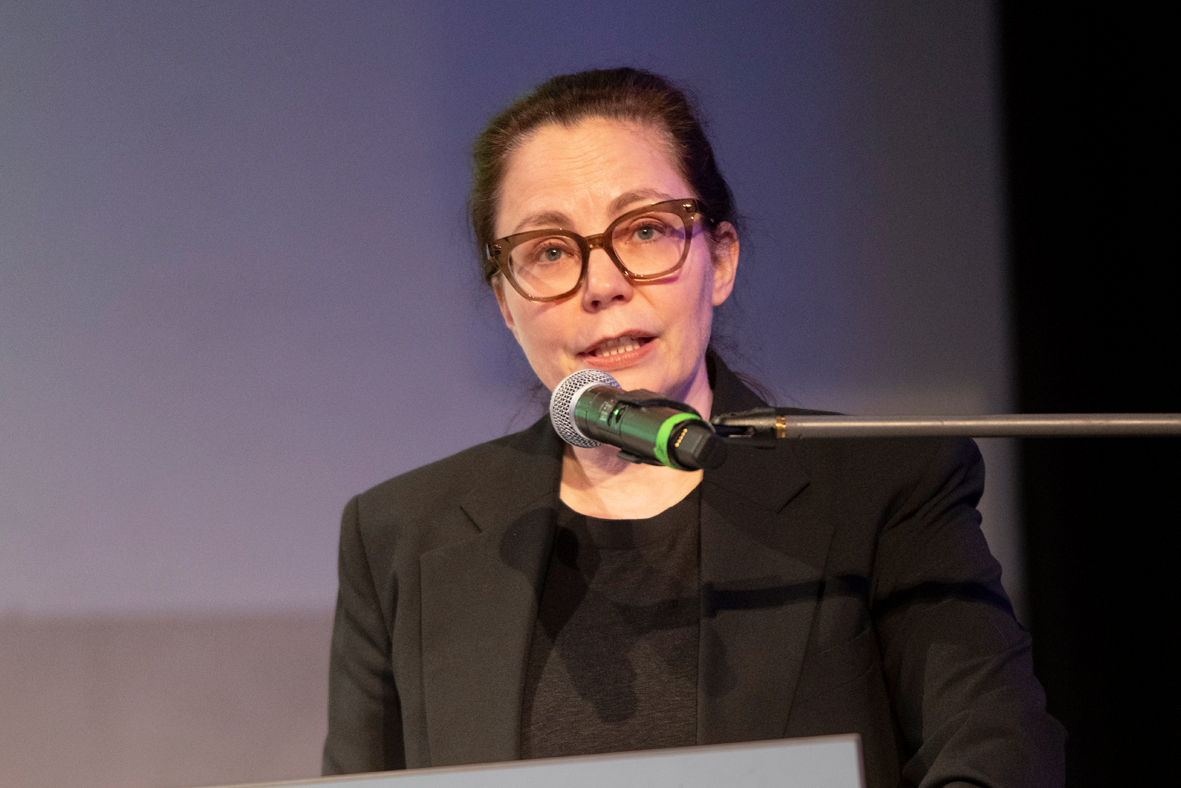
rbb 24 Inforadio, interview by Stephan Ozsváth with Thea Dorn, March 5, 2026: »We have absolutely no idea what exactly the Federal Office for the Protection of the Constitution found objectionable about the three bookshops that the Minister of State for Culture has now removed from the list of award recipients. (…) As yet, no one in Germany has to censor themselves. Those who do are engaging in pre-emptive self-censorship, and pre-emptive submission is a form of behaviour that also undermines democracies. It is the job of the media, and of a writers’ association like PEN Berlin, to (…) keep pressing until we get answers. That is why, just yesterday, we at PEN Berlin sent the Minister of State for Culture a short list of questions. (…)« LINK
›Code of Conduct‹ for the Berlinale: »Ukrainian Flags Allowed, but Palestinian Flags Not?«

radio 3, radio 3 am morgen, interview by Katja Weber with Deniz Yücel, March 5, 2026: »What is this code of conduct supposed to say? Ukrainian flags are allowed, but Palestinian flags are not? Or are people supposed to ask the Minister of State for Culture beforehand, or consult the domestic intelligence agency, as happened with the German Bookshop Prize? (…) Wolfram Weimer says: ›For me, hatred, incitement and antisemitism are not freedom of expression but hostility towards humanity.‹ That sounds like the familiar rhetoric of the ›fight against the far right‹, but it is nonsense, because ›hatred and incitement‹ are not legal categories. And ›for me‹ cannot be a standard in any case. (…) Nothing Abdallah Alkhatib said has any legal relevance. (…) Responding to this with a code of conduct, in the hope that it will not happen again, is an infringement of artistic freedom and freedom of expression.« LINK and AUDIO
»Goethe im Exil«/Book Shop Award: A few questions about German cultural policy

The programme »Goethe-Institut im Exil« has been suspended with immediate effect. The Minister of State for Culture, Wolfram Weimer, has excluded three left-wing bookshops from the Bookshop Award. We have a few questions about both of these developments. (…) Is it a coincidence that this decision was made on the eve of a planned reading and discussion with Palestinian poets at the ACUD art centre in Berlin? (…) Does the Minister of State for Culture consider the Federal Office for the Protection of the Constitution to be competent in evaluating the work of cultural institutions? (…) Is the Minister of State for Culture allowing his decisions to be influenced by the Alternative for Germany (AfD) party, or by reporting centres such as Nius, which launched a campaign against left-wing book publishers in autumn? MORE
»Stay, Lenz replied«: We Mourn Peter Schneider

Obituary by Knut Cordsen, BR24, March 4, 2026: »Peter Schneider was always a zoon politikon, a thoroughly political being – a defining figure of the 1968 student revolt, yet never one to succumb to the ›left-wing melancholy‹ that Walter Benjamin had already identified and named in 1931. Rather, this writer was an intellectual who constantly questioned supposed certainties. (…) One of Peter Schneider’s last public appearances was at the founding of PEN Berlin. The writers’ association had barely been established when internal disputes broke out. Amid the looming turmoil, Peter Schneider, a grand old man all too familiar with such factional struggles, rose to his feet and urged those present not to get bogged down in unnecessary petty squabbles and sham battles. Peter Schneider has now died at the age of 85.« LINK and AUDIO
On the Debate about Tricia Tuttle: Do not deliberately destroy the Berlinale!

Statements made by Abdallah Alkhatib are protected by freedom of expression – just as wearing the kufiya and displaying the Palestinian flag are, of course. And none of this can be blamed on Tricia Tuttle. As our founding member Daniel Kehlmann said: »If Tricia Tuttle were to be dismissed because of things that award winners said and did on stage, it would be the greatest catastrophe in German cultural policy since the search of Heinrich Böll’s home in 1972.« We are certain that the Berlinale would suffer immense damage as an internationally relevant festival. »Such wanton destruction of the German cultural scene and self-inflicted provincialisation must not be allowed to happen. (…) We appeal to Mr Weimer to take the right side again this time − for the freedom of art − and not to become the gravedigger of the Berlinale«, said PEN Berlin spokesperson Deniz Yücel. MORE
Deniz Yücel on the Berlinale: »The Same Standards Everywhere, at All Times«

Interview by Tobias Armbrüster with Deniz Yücel, Deutschlandfunk, February 27, 2026: »The director of a festival was to be dismissed because of something someone else had said. That would have been utterly absurd. (…) We spoke out against the disinvitation of the Israeli conductor Lahav Shani, protested against the disinvitation of Susanne Dagen from a philosophy festival in Rhineland-Palatinate, and opposed the disinvitation of rapper Chefket. And when Michel Friedman was disinvited from an event in Klütz under pressure from the local mayor, we organized an entire public rally. We try to apply the same standards of artistic freedom, freedom of expression and freedom of the press everywhere, at all times. That sets us apart from part-time liberals, who only defend freedom of expression when it suits them.« LINK and AUDIO
Series of talks about Heimat: Is this still | already my country?
Stuttgart, let’s talk about Heimat: »Your true Heimat is the one you are ashamed of«
Feb 25 | Literaturhaus Stuttgart | Özge Inan (writer, journalist) & Eva Menasse (writer); Moderator: Eva-Maria Manz (journalist) | More about the participants
Audio recording (full recording)
All videos and audio recordings from Baden-Württemberg

Hohenloher Tagblatt [Südwest Presse], Commentary by Birgit Trinkle in Crailsheim, February 14, 2026. »It was fundamentally wrong to leave concepts such as Heimat and rootedness to others who turned them into incendiary devices. That, too, is one lesson from this evening. And not least: Heimat is the place for which you feel a shared responsibility. Not a place you own, but one you stand up for. You can think of this on a small scale: your street, your local association, the cancer counseling center. And you can think of it on a large scale: liberal democracy.« LINK [€]

Hohenloher Tagblatt [Südwest Presse], Report by Birgit Trinkle in Crailsheim, February 14, 2026. »[Peter Unfried] introduces the idea that defines the evening: the ›living room of society‹. He does not mean a room full of sofas, but public or semi-public spaces where people come together without fixed roles. A café. A community clubhouse. A cultural center. Democracy and a sense of Heimat, Unfried says, need places like these. A sense of belonging and security, a foundation from which people can disagree. (…) But it also becomes clear that the state has a responsibility, whether in pensions or rail transport: ›Things really need to start moving.‹ An older woman in the audience speaks up. She lived in East Germany, she says. There, too, Heimat was used – above all to distinguish insiders from outsiders. (…) Perhaps this is the real living room being created here. Not a place where everyone agrees, but a place where people can disagree without losing one another. Where people talk about Heimat without excluding anyone. Where a journalist from Berlin and a writer from Hall, a woman from East Germany and a man from Hohenlohe listen to one another.« LINK [€]
3Sat Kulturzeit: »As a child, I thought Heimat was where Heidi lived«
3sat, Kulturzeit, Report by Dorothea Dörner from Lörrach and studio interview by Cécile Schortmann with Julia Ruhs, February 3, 2026: »What is Heimat? That was the question discussed in Lörrach by two journalists: Julia Ruhs of Bavarian Broadcasting and Doris Akrap of Berlin’s taz. [Akrap:] ›As a child (…) I thought Heimat was where Heidi lived.‹ (…) In the charged political climate, the concept of Heimat is closely linked to migration. [Ruhs:] ›I think many people are afraid of losing their culture, (…) that the country will become more alien to them.‹« LINK and VIDEO

Südkurier, Interview by Jann-Luca Künßberg with Deniz Yücel, February 2, 2026. »The concept of Heimat brings together many of the issues currently shaping political debate in Germany. From what I have observed, a great many fears are involved. Fear of economic decline, uncontrolled immigration, the rise of the far right, and so on. All of these are fears of losing security. And Heimat is nothing other than security. (…) I believe fear is widespread across all social groups and all political camps. Take Ludwigshafen, where an AfD candidate for mayor was barred from standing in the election. This points toward abolishing democracy in the name of defending it. (…) Out of fear for democracy.« LINK [€] and PDF

Mannheimer Morgen, Commentary by Stefan M. Dettlinger in Mannheim, January 27, 2026. »How often have we sat through discussions and, after 90 minutes, half exhausted and half overwhelmed, finally reached the ›audience questions‹, when the audience, already weary and worn out, wanted only one thing: to go home! Here, at the discussion ›Is this still | already my country?‹, things are different: the audience plays (almost) the leading role, making statements, asking questions, revealing their views. We should have formats like this far more often. They may not be quite as intellectually brilliant or aesthetically and intellectually illuminating as an hour or two of Michel Friedman or Thea Dorn ›philosophizing‹ on their own. But they matter for our culture of debate, for democracy, which challenges us every day: We must talk.« LINK and PDF
Rhein-Neckar-Zeitung, Interview by Alexander Wenisch with Ijoma Mangold, January 26, 2026. »I was born and raised in Heidelberg. Heidelberg represents my childhood and youth. As long as you live as a child in the world you grew up in, you do not really have a sense of Heimat – it is simply taken for granted. Like water to a fish: it never thinks about it because it cannot imagine life outside the water. Only when you leave the environment you were born into and move far away do you become more aware – at least that was my experience – of how deeply you have been shaped by the region, its mentality, its dialect and, of course, the wines of the Palatinate, which I greatly appreciate. It was only after moving away from Heidelberg that I realized how attached I was to it.« LINK [€] and PDF
Mannheimer Morgen, Interview by Stefan M. Dettlinger with Deniz Yücel, January 22, 2026. »We talk about democracy not only in terms of polarization, but also in terms of a divided public sphere. With this series, we are trying, locally, evening after evening, to overcome that division to some extent and create a civic public sphere in which everyone can have their say (…) by not putting up prohibition signs, but saying: everyone is invited, everyone can say anything – though not at any time or for any length of time, so that many people get a chance to speak. But we are not afraid of free speech. Last time, the discussion was very controversial, but civil. And afterwards people said: ›Thank you for making this possible. We didn’t think something like this was even possible anymore.‹« LINK [€] and PDF
Hello Baden-Württemberg, let’s talk about Heimat

PEN Berlin is heading to southwestern Germany and organizing a series of talks in 22 towns and cities across Baden-Württemberg – the opening leg of a major series, with further events to follow: in March in Rhineland-Palatinate, and in August and September in Saxony-Anhalt, Mecklenburg-Western Pomerania and Berlin. As with our widely discussed series of events in Saxony, Thuringia and Brandenburg, and our rally in Klütz, the audience is invited to take part in the discussion. More than that, audience participation is an integral part of the concept. Rather than listening reverently to the guests and hurriedly asking two or three questions at the end, audience members are invited to join the conversation – with the panel and with one another. MORE
Panel at the Berliner Ensemble: Iran – Regime Change Now?

Tagesspiegel, report by Christiane Peitz, 19 January 2026. »At the beginning of the sold-out panel discussion on Sunday at the Berliner Ensemble, moderated by Shila Behjat, the focus is less on the question of an end to Ayatollah Khamenei than on the increasingly evident brutality of the Iranian Revolutionary Guards and the paramilitary Basij militias over the past two or three days. A brutality that leaves one speechless, says PEN Berlin spokesperson Thea Dorn. Let us talk nevertheless, let us try. Taking part are Natalie Amiri, Mina Khani, Daniela Sepehri and Johannes Volkmann.« LINK

radio3 [rbb], report by Kai Salander, 19 January 2026. »The Iranian PEN fellow and poet Mahtab Yaghma opens the discussion at the Berliner Ensemble on Sunday afternoon with a piece of terrible news. […] Amiri, who for many years headed the ARD foreign studio in Tehran, speaks of a ›rollercoaster of emotions‹ for the people. On the one hand, there is hope that the United States is on their side. On the other hand, people fear a military strike. But how can Germany help? CDU politician Johannes Volkmann rejects the accusation of inaction. Berlin is not blocking sanctions; Brussels is. […] Natalie Amiri does not accept this argument. Germany could very well push through its interests in Brussels – see the automobile industry.« LINK and AUDIO

DLF Kultur, Fazit, report by Gerd Brendel, 19 January 2026. »The decisive question: ›Is there a chance of overthrowing the mullah regime?‹ At the beginning of the event there was a remembrance of the dead. ›Ziba from Nishapur is no longer alive‹, the poet Mahtab Yaghma recounts at the start of the event at the Berliner Ensemble about the situation in Iran. ›Ziba was the dearest of my friends, 33 years old, she had an eight-year-old daughter.‹ The young mother is one of thousands of victims murdered in prisons and on the streets of Iran in recent weeks and days. This is what the Iranian publicist and artist Mina Khani reports. And Daniela Sepehri quotes a political prisoner who, in a letter from prison a year ago, prophesied: ›Tyranny always has an expiration date.‹« LINK and AUDIO
The recording of the event, prepared as a podcast, is available wherever podcasts are found. Click here for the AUDIO
Series of talks about Heimat in Baden-Württemberg: »Is this still | already my country?«
PEN Berlin is heading to south-west Germany to host a series of talks in 22 towns and cities in Baden-Württemberg. This is the first in a series of events, with further talks planned for March in Rhineland-Palatinate, and in August and September in Saxony-Anhalt, Mecklenburg-Western Pomerania, and Berlin. As with our highly acclaimed series of events You can’t Say Anything Theses Days ahead of the 2024 state elections in Saxony, Thuringia and Brandenburg, and our rally in Klütz, Mecklenburg, in September, the audience is invited to participate in the discussion. Furthermore, the audience is an integral part of the concept. MORE
On the event »Take Me Away from This Silence« with Ilhan Sami Çomak and Jan Wagner

radio3 [rbb], radio3 in the afternoon, report by Tomas Fitzel, 9 January 2026: »After 30 years in prison, the Kurdish poet Ilhan Sami Çomak was released at the end of last year. In 1994, Ilhan Sami Çomak, then a young man of just 21, was sentenced to death. (…) This verdict was challenged by many parties, including the European Court of Human Rights. (…) For thirty years, three months, and eight days, Ilhan Sami Çomak was imprisoned. (…) But when you encounter him—upright, with a smile, without anger or hatred—you realize that he had long since been a free man. (…) Anyone who has ever lost faith in the existential power of poetry and literature will have it restored by Ilhan Sami Çomak through his poems.« LINK and AUDIO
Iran: Narges Mohammadi and the Regime’s Fear

Numerous human rights activists and journalists, including Nobel Peace Prize laureate Narges Mohammadi, Sepideh Qolian and Alieh Motalebzadeh, were arrested in the eastern Iranian city of Mashhad today. The arrests occurred during a memorial service for the late human rights lawyer Dr Khosro Alikordi, who passed away in suspicious circumstances a few days ago. Daniela Sepehri, a board member of PEN Berlin, stated: »When journalists and human rights activists are arrested even while commemorating the dead, the regime shows how great its fear of the free word truly is. We demand the immediate release of all those detained.« MORE
General Assembly: PEN Berlin Grows to 720 Members

On November 30, 2025, PEN Berlin held its annual General Assembly. Author Linn Penelope Rieger was elected to the Board. In addition, 35 new members were admitted, including Nobel Peace Prize laureate Irina Shherbakova, literary critic Iris Radisch, sociologist Harald Welzer, youth literature award winner Maren Amini, writers Ulrike Draesner, Matthias Nawrat, Maruan Paschen and Dana Ranga, publishers Tim Jung (Hoffmann und Campe), Tom Kraushaar (Klett-Cotta) and Oliver Vogel (S. Fischer) and Julia Draganović, Director of the German Academy Rome Villa Massimo. MORE
»Congress of PEN Berlin: »Who’s Gonna Clean This Up?«
Thea Dorn: »Why are you doing this to yourself?«
Opening speech: »Since becoming a spokesperson for PEN Berlin a year ago, there is one question I am constantly asked. »Why are you doing this to yourself?» […] I suspect that decisions which change everyday life as dramatically as mine did a year ago are usually related to one’s own life story. However, I don’t want to engage in autobiographical navel-gazing here. I suspect that my decision is just as much to do with the general circumstances of the time. That is why I hope that the question of why someone who has more than enough to do in their private and professional life would take on an energy- and time-intensive (I won’t say »energy-sapping«) voluntary position – that considerations on this question could be of general interest..« TEXT (in German)
Sofi Oksanen: »Before the Eyes of the World«
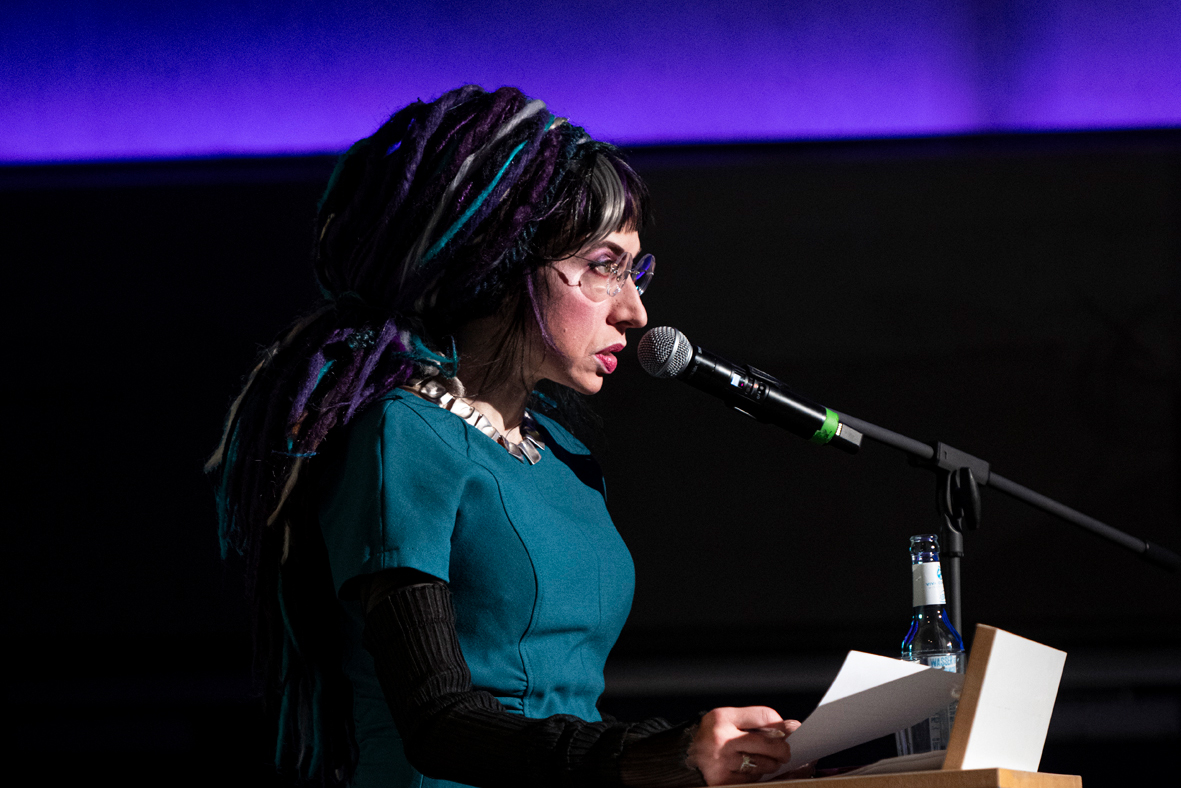
Keynote speech by Sofi Oksanen: »Russia’s colonial assimilation politics is much more efficient than you think, because it doesn’t only affect people on Russian-controlled territories, but also people living outside Russia. It has affected your thinking, your world view, values and moral code. Russia’s colonial politics is so efficient that majority of the Western war talk doesn’t highlight at all the very center of the war, the root causes of the war, to which the deportations are very much tied. to. This is precisely why the fixation of peace rhetoric on border kilometers is a path that does not lead to a sustainable and just peace. At the heart of the war is identity politics.« SPEECH
Wolfgang Kubicki/Renate Künast: »Is There A Right to Hate?«

Lead talk by Wolfgang Kubicki: »Technological progress must lead to us carrying our liberal ideals over into the 21st century and, at best, developing them further toward an even freer society – not to throwing them overboard. But that is exactly the path we are on – and I will resist it for as long as I remain politically active!« TALK
Lead talk by Renate Künast: »Where did it all begin, this entire debate? It began with the claim that in this country one can no longer express one’s opinion. And that escalated into hate. And when people then said that hate is not an opinion, not a contribution protected by the constitution, that too was criticised, and it was claimed that this, too, constituted a restriction of freedom of expression.« TALK
Writers in Prison: Peyman Farahavar, María Cristina Garrido, Mohamed Tadjadit

Daniela Sepehri: »Since the beginning of the year, the Iranian regime has executed more than 1,600 people. Please do not allow Peyman Farahavar, our colleague, to be executed next for his poetry.« In addition to the Iranian poet sentenced to death Peyman Farahavar, our congress also focused on the Cuban poet María Cristina Garrido Rodríguez (presented by Andrea Landfried) as well as the Algerian poet Mohamed Tadjadit (presented by Jayrôme Robinet).
Thea Dorn: »The relief was huge«

On the release of Boualem Sansal – interview by Andrea Gerk with Thea Dorn, DLF Kultur, Lesart, 13 November 2025: »We all know the saying that mercy prevails over justice, and of course in this case it would have been far more appropriate to let justice prevail over mercy and to acquit Boualem Sansal of these absurd accusations of ›offenses against the unity of the nation‹. But since this was evidently unattainable given the real power structures in Algeria, one must say: at least a sick, courageous, not-so-young man has been released in this way. But naturally, it leaves a bitter aftertaste.« LINK and AUDIO
Deniz Yücel: »Better a book fair than a manhunt«

Interview by Christian Eger with Deniz Yücel, Mitteldeutsche Zeitung, 6 November 2025: »At PEN Berlin we discussed whether we should join the protests, and we decided against it, because it is not our task to protest book fairs, but to intervene when freedom of expression, art, or the press is being restricted, no matter by whom. (…) A book fair should not be a cause for concern for anyone. That contradicts the very nature of a book fair. We have always told the far right that they should read a few books rather than just shout around. Now I cannot complain if some of them actually do so. Better a book fair than a manhunt.« LINK [€] and LINK
Thea Dorn: »Rule by experts is not democracy«

On the event »How popular may it be?« with Andreas Rödder and Julian Nida-Rümelin, moderated by Thea Dorn and Deniz Yücel on 7 November at the Körber-Haus in Hamburg. Discussion on DLF Kultur, Studio 9, 2 November 2025: »When people say: ›Our societies have become so complicated, (…) there is this circle of experts at the top who know what’s going on, they set the direction and the rest should simply follow.‹ One has to say very clearly: that is no longer a democracy. And that is why we must achieve – and that is also the task of journalists (…) – to communicate things in such a way that the famous ordinary person, who is part of the people, has a chance to form their own judgement. The other side, however, must bring a certain goodwill: the willingness to form a judgement and not to believe every nonsense that washes up on some shady website.« LINK and AUDIO
About us
PEN Berlin.
We stand by our word.
We want a new PEN.
A contemporary and diverse PEN, that brings together writers and translators of all literary and journalistic genres writing in German or living in the German-speaking countries.
A PEN by and for colleagues who stand up for freedom of expression and open discourse, without presidents and other titles, with a gender-equal board.
A PEN which, in the spirit of the Charter of PEN International, opposes all forms of hatred, whose members put themselves at the service of freedom of expression and work together for a better future.
In the spirit of our namesake Berlin, the multilingual city that today stands for openness and for the overcoming of borders, we call ourselves PEN Berlin: an NGO committed to the ideals of enlightenment, diversity of opinion, tolerance, and solidarity.
Freedom of speech is increasingly threatened worldwide. More and more authors and translators fear for their lives and physical integrity. Our focus will therefore be on the material and moral support of persecuted colleagues.
We need this new PEN to give literature, poetry, and any other text-based genre the space to unfold free from fear.
We need this new PEN to denounce grievances and effectively help those who are threatened in their freedom of expression, regardless of origin and attitude.
We welcome all those who work with the word and are willing to join us in this endeavor.
We stand by our word. PEN Berlin was founded on June 10, 2022, and currently (November 2024) has almost 730 members. PEN Berlin is member of PEN International and of the German Conference on Literature.